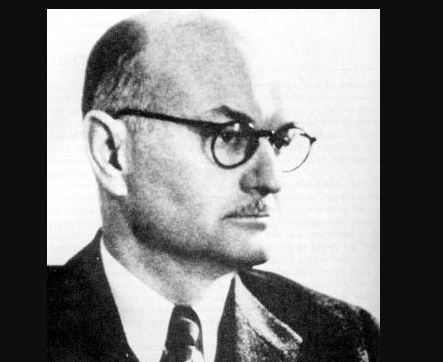
Part of a blog series covering the seminal papers in learning—this entry continues the Behaviorism sub-series
By 1922, behaviorism was on the rise. Watson’s 1913 manifesto had declared war on introspection, and the conditioned reflex had given the movement a method. But Tolman, then a young psychologist at Berkeley, saw a problem. The behaviorist program, as Watson defined it, was in danger of collapsing into mere physiology. If stimuli are “rays of light of different wave lengths, sound waves differing in amplitude,” and responses are “muscle contractions and gland secretions,” then behaviorism is just a branch of physiology. And physiology, Tolman argued, cannot explain what actually matters about behavior: its purpose.