Part of a blog series covering the seminal papers in learning—this entry continues the Behaviorism sub-series with the book that gave behaviorism its most enduring experimental unit (the operant), its most famous apparatus (the “Skinner box”)
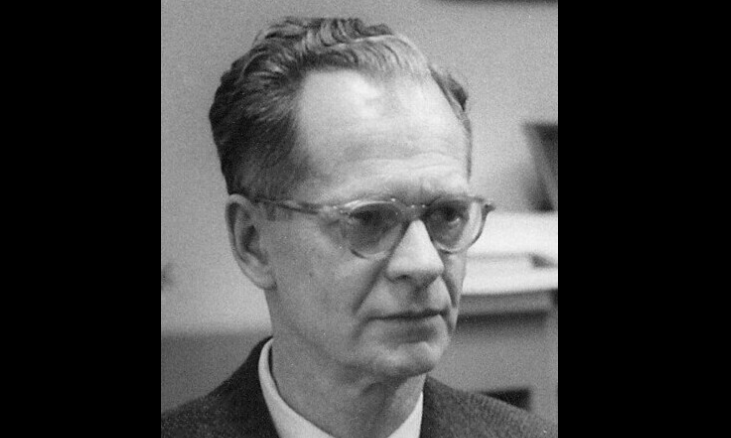
In 1938, B. F. Skinner—then an assistant professor at the University of Minnesota, still in his early thirties—published The Behavior of Organisms: An Experimental Analysis. It was not a popular book. It sold poorly, was largely ignored by the psychological establishment, and its author later admitted that much of its factual content was, by 1966, “out of date.” Yet as the foreword to the modern edition notes, it is “arguably the most important book in the history of experimental psychology”—the one volume from that era that has “endured” while the treatises of Watson, Tolman, and Hull have become historical curiosities.