Skip to content

Learning-Science Digest

Fringe of Human Learning Technology and Emergence

Categories

  • 4E Cognition
  • Ability grouping
  • Accelerated learning
  • Acting/ Role play
  • Active learning
  • Active/ Action learning
  • Activities
  • Adaptive Learning
  • Administration & Leadership
  • Affordances
  • After-School Programs
  • Agency/ Autonomy
  • Analogy & Analogy based Learning
  • Anchored Instruction
  • Andragogy
  • Anthropology/ Ethnographic learning
  • Apprenticeship
  • Approaches
  • Apps
  • Artificial Intelligence
  • Assessment
  • Asynchronous Learning
  • Attitude
  • Banking model
  • Behavior Design
  • Behavioural
  • Belonging
  • Biology
  • Blended, Flipped, etc
  • books
  • Brain
  • Bricolage
  • Catholic Education
  • Causation
  • Coaching
  • Cognitive Diversity
  • Cognitive Load
  • Cognitive Science
  • Collaborative learning
  • Communities of practice
  • Competency-Based Learning
  • Complexity Theory
  • Compliance Training
  • Computational Learning
  • Computer Based Math
  • Concept Differences
  • Concept similarity
  • Connected Learning
  • Connectivism
  • Constraints
  • Constraints-Led Approach
  • Constructionism
  • Constructivism
  • Contextualized Learning
  • Contrast and Polarity
  • Courses
  • Creativity/ Innovation
  • Critical articles
  • Critical Pedagogy
  • Critical Thinking
  • Cultural Intelligence
  • Cultural Learning
  • Cumulative culture
  • Curriculum
  • Curriculum Design
  • Deliberate Practice
  • Design Science/ Approaches
  • Desirable Difficulty
  • Dialogic Learning
  • Differential learning
  • Digital Learning
  • Direct Instruction/ KLC
  • Disability and Learning
  • Discovery Learning
  • Discussion/ Debate
  • Disposition/Propensity
  • Distributed Cognition/ Learning
  • DIY learning/ Edupunk
  • Dynamics and learning
  • Early Intervention
  • Ecological Approch
  • Ecological Dynamics
  • Ed-tech
  • Education
  • Education Models
  • Education Policy
  • Education Thinkers
  • Effectuation
  • Elaboration
  • Embedded Cognition
  • Embodied Cognition
  • Emergence
  • Emergency learning
  • Emerging technology
  • Emulative learning
  • Enactive learning
  • Enskilment
  • Entangled pedagogy
  • Entrepreneurial Learning
  • Ethics and Moral learning
  • Evaluation
  • Evidence
  • Evolution and Learning
  • Exams
  • Exaptation
  • Exercise
  • Experiential Learning
  • Expertise
  • Explicit instruction
  • Extended Cognition
  • Family/ Religion
  • Feedback
  • Frameworks
  • Future Of Learning
  • Games/ Gamification
  • Generation Effect
  • Generative AI
  • Genius
  • Geragogy
  • Grading
  • Happiness and learning
  • Heuristics
  • Heutagogy
  • Higher Education
  • History Of Education
  • Home Slider
  • Home/ Home Schooling/ Learning
  • Homework
  • Human Machine Interface
  • Humor
  • Hypercorrection
  • Improvisation
  • Informal Learning
  • Innovation
  • Inquiry
  • Instructional Design
  • Instrumentalism
  • Intelligence
  • Interviews
  • Job training
  • Knowledge Rich Curriculum
  • Knowledge: Types. etc.
  • Labelling
  • Language Learning
  • Law and Legal Learning
  • Learning and Development
  • Learning Difficulties
  • Learning Environments
  • Learning for life
  • Learning in Chaos
  • Learning in complexity
  • Learning Management System
  • Learning Myths
  • Learning Programming
  • Learning Science
  • Learning Stations
  • Learning Systems
  • Learning Techniques/Methods
  • Learning Thinkers
  • Learning under anxiety/pressure/stress
  • Learning/ Teaching Strategies
  • Learning/ Understanding By Design
  • Looping effect
  • Maker Learning
  • Mastery
  • Mathew Effect
  • Maths Learning
  • Measurement
  • Medical Education/Learning
  • Memory
  • Meta-Analysis
  • Meta-Cognition
  • mindset
  • Mnemonics
  • Montessori
  • Motivation
  • Motor Learning
  • Music/ Arts and Learning
  • Mystagogy
  • Needs and Need based Learning
  • Networked Learning
  • Networks and Ecosystem
  • Neurodivergence
  • Neuroscience
  • Non Computational
  • Non-Representational
  • Nonlinear Pedagogy
  • Novelty and learning
  • Observational learning
  • On-the-Job Training
  • Online and MOOC Learning
  • outdoor-education
  • Pedagogy
  • Peer Learning
  • Personalized Learning
  • Philosophy Of Education
  • Philosophy Of Learning
  • Philosophy Of Science
  • Place-Based Learning
  • Play/ Ludic Pedagogy
  • Policy
  • Pragmatism
  • Problem-based learning
  • Productive Failures
  • Professional education
  • Professional Learning
  • Progressive Education
  • Project Based Learning
  • Proximity and Learning
  • Psychological Issues
  • Question asking/ Question design
  • Reading , Literacy , etc
  • Recognition
  • Reification/ Reductionism
  • Relational Expertise
  • Relational Learning
  • Religion
  • Research
  • Resting/ offline consolidation
  • Retrieval
  • Salience/Closeness
  • Scaffolding
  • Science Of Learning
  • self-efficacy
  • Self-Organization
  • Self-Paced Learning
  • Self-Regulated/ Self-Directed
  • Service Learning
  • Short Concept Introduction
  • Signalling
  • Simulation or Simulative Learning
  • Situated Learning
  • Skill
  • Sleep and Rest
  • Social Effects
  • Social Learning
  • Social-emotional learning
  • Society-Ecosystem etc
  • Socioeconomic Factors
  • Sociology Of Learning
  • Software And Technology Review
  • Speaking/Public Speaking
  • Spiral design
  • Sports learning
  • Sports Science
  • Story/Narrative based learning
  • Studying
  • Teacher/ teaching
  • Testing
  • Theology and learning
  • Theories
  • Tools, Aids, Artifacts
  • Training
  • Training Needs Analysis
  • Transdisciplinary/ Interdisciplinary, etc
  • Transfer Of Learning
  • Trending News
  • Uncategorized
  • Uncertainty and learning
  • Variable Practice
  • Vicarious learning
  • Video playlist
  • Virtual, Augmented, etc
  • Visible Learning/ Hattie
  • Visual Learning/Drawing
  • Vocational Education
  • Wakeful Resting
  • Work Place Learning
  • Workshop Model
  • Zone of Proximal Development (ZPD)
Primary Menu
  • Home
  • About
  • Thinkers
    • Learning Thinkers
    • Education Thinkers
  • Design For Learning
    • Design Science/ Approaches
    • Instructional Design
    • Behavior Design
    • Curriculum Design
    • Learning/ Understanding By Design
    • Motivation
    • Ecological Approch
    • Blended, Flipped, etc
    • Games/ Gamification
  • Tools/Techniques/Methods
    • Learning Techniques/Methods
    • Education Models
    • Testing
    • Retrieval
    • Blended, Flipped, etc
    • Differential learning
    • Dialogic Learning
    • Computer Based Math
    • Tools, Aids, Artifacts
    • Knowledge Rich Curriculum
    • Cognitive Load
    • Online and MOOC Learning
    • Scaffolding
    • Contrast and Polarity
    • Play/ Ludic Pedagogy
    • Problem-based learning
    • Cultural Learning
    • Direct Instruction/ KLC
    • Deliberate Practice
    • Visual Learning/Drawing
    • Games/ Gamification
    • Acting/ Role play
    • Analogy & Analogy based Learning
    • Inquiry
    • Improvisation
    • Constructionism
    • Situated Learning
    • Productive Failures
    • Anthropology/ Ethnographic learning
    • Project Based Learning
    • Connected Learning
    • Nonlinear Pedagogy
    • Personalized Learning
    • Maker Learning
    • Virtual, Augmented, etc
    • Service Learning
    • Constructivism
    • Connectivism
    • Vicarious learning
    • Active/ Action learning
    • Computational Learning
    • Relational Learning
    • Apprenticeship
    • Communities of practice
    • Home/ Home Schooling/ Learning
    • Contextualized Learning
    • DIY learning/ Edupunk
    • Constraints-Led Approach
    • Peer Learning
  • Domains
    • Language Learning
    • Entrepreneurial Learning
    • Maths Learning
    • Sports Science
    • Theology and learning
    • Sports learning
    • Professional education
    • Law and Legal Learning
    • Catholic Education
    • Higher Education
    • Medical Education/Learning
    • Work Place Learning
    • Learning Programming
    • On-the-Job Training
    • Job training
    • Compliance Training
  • Approaches
    • Neuroscience
    • Social Learning
    • Ecological Approch
    • 4E Cognition
    • Active learning
    • Transfer Of Learning
    • Cumulative culture
    • Embodied Cognition
    • Evolution and Learning
    • Embedded Cognition
    • Differential learning
    • Dialogic Learning
    • Experiential Learning
    • Learning Environments
    • Cultural Intelligence
    • Enactive learning
    • Constraints-Led Approach
    • Non-Representational
    • Self-Organization
    • Relational Learning
    • Relational Expertise
    • Enskilment
    • Extended Cognition
    • Distributed Cognition/ Learning
  • Artificial Intelligence
  • Education Policy
  • Expertise
Subscribe or Login
  • Home
  • Instructional Design
  • Unlocking Learner Motivation: The ARCS Model of Motivation in Instructional Design
  • Instructional Design

Unlocking Learner Motivation: The ARCS Model of Motivation in Instructional Design

kiran Johny September 15, 2024
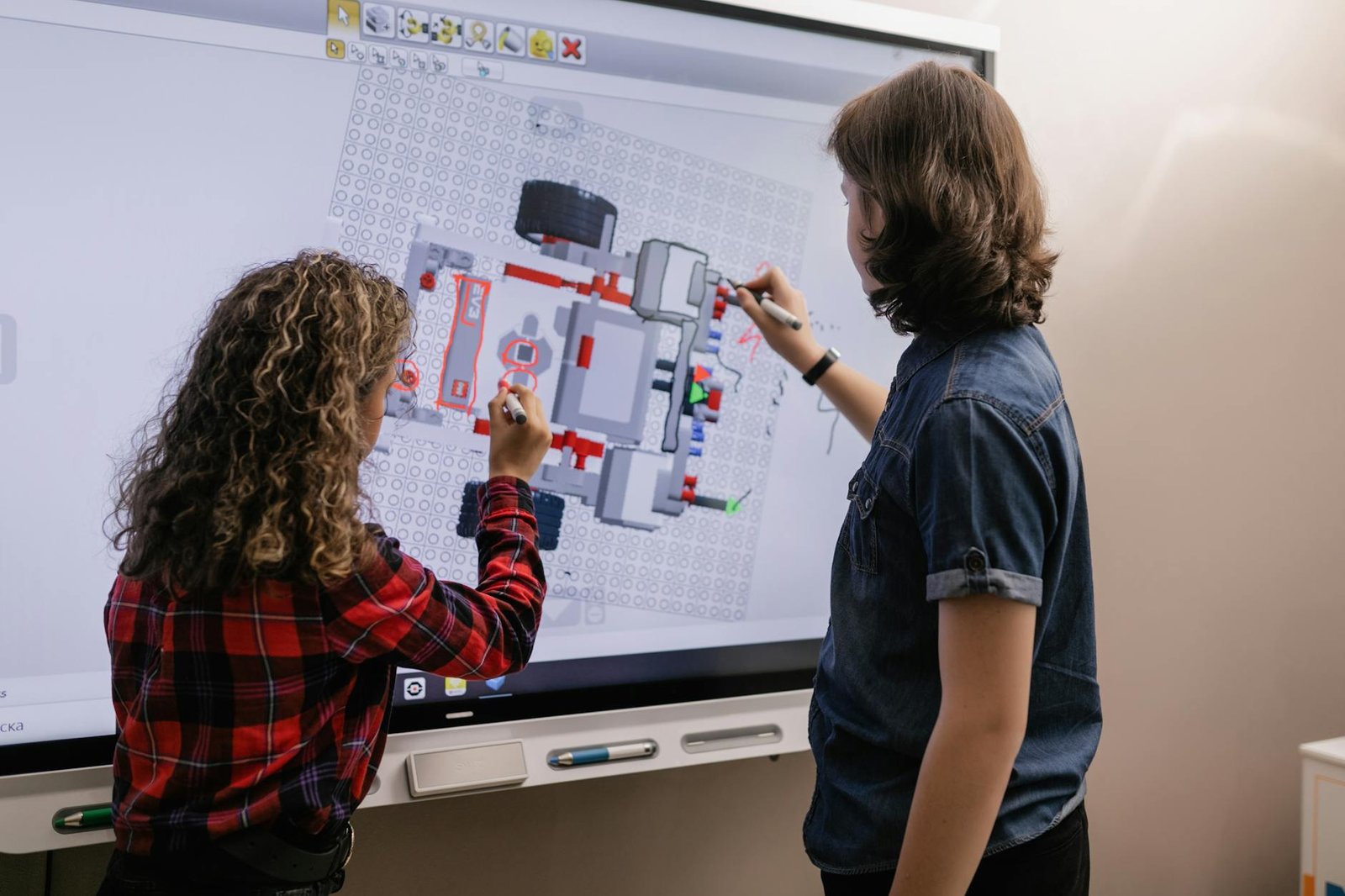
two students using an interactive board

In the world of instructional design, one of the most significant challenges is keeping learners motivated. No matter how well-crafted the content or how innovative the delivery method, if learners aren’t engaged, the learning experience falls flat. Enter the ARCS Model of Motivation, a framework designed to capture and sustain learner motivation throughout the learning process. Developed by John Keller in the 1980s, the ARCS model focuses on four key elements: Attention, Relevance, Confidence, and Satisfaction. Let’s dive into how this model can transform your instructional design and create more impactful learning experiences.


What is the ARCS Model of Motivation?

The ARCS Model is a systematic approach to designing instruction that ensures learners are motivated to engage with the material. It’s based on the idea that motivation is not a fixed trait but something that can be influenced by the design of the learning experience. By addressing the four components of the model—Attention, Relevance, Confidence, and Satisfaction—instructional designers can create courses that not only inform but also inspire.


1. Attention: Capturing and Sustaining Interest

The first step in motivating learners is grabbing their attention. Without attention, learning simply doesn’t happen. But attention isn’t just about a flashy introduction; it’s about maintaining curiosity throughout the course.

Strategies to Capture Attention:

  • Use storytelling: Humans are naturally drawn to stories. Incorporate narratives that relate to the content.
  • Incorporate multimedia: Videos, animations, and interactive elements can make the material more engaging.
  • Pose thought-provoking questions: Challenge learners to think critically from the start.
  • Vary the format: Mix lectures, discussions, and hands-on activities to keep things fresh.

Example: In a course on cybersecurity, start with a gripping story about a major data breach. This immediately hooks learners and makes them eager to learn how to prevent such incidents.


2. Relevance: Connecting Learning to Real-Life Contexts

Once you have their attention, the next step is to show learners why the material matters to them. Relevance is about making the content personally meaningful and applicable to their lives, careers, or goals.

Strategies to Enhance Relevance:

  • Relate to prior knowledge: Connect new concepts to what learners already know.
  • Highlight real-world applications: Show how the skills or knowledge can be used in practical situations.
  • Tailor content to the audience: Customize examples and scenarios to match learners’ backgrounds and interests.
  • Emphasize benefits: Explain how mastering the material will help them achieve their goals.

Example: In a leadership training program, use case studies from industries similar to the learners’ own. This helps them see how the principles apply directly to their work.


3. Confidence: Building Belief in Success

Even if learners are interested and see the relevance of the material, they may disengage if they feel the content is too difficult or they’re unlikely to succeed. The Confidence component of the ARCS model focuses on helping learners believe in their ability to master the material.

Strategies to Build Confidence:

  • Set clear expectations: Provide a roadmap of what learners will achieve and how they’ll be assessed.
  • Break content into manageable chunks: Use a modular approach to prevent overwhelm.
  • Offer opportunities for practice: Include exercises and simulations that allow learners to apply what they’ve learned.
  • Provide constructive feedback: Help learners understand their progress and areas for improvement.

Example: In a coding course, start with simple exercises and gradually increase the complexity. Celebrate small wins to boost learners’ confidence as they progress.


4. Satisfaction: Ensuring a Sense of Accomplishment

The final piece of the puzzle is ensuring learners feel a sense of satisfaction upon completing the course. Satisfaction reinforces motivation by making the learning experience rewarding and fulfilling.

Strategies to Foster Satisfaction:

  • Recognize achievements: Use badges, certificates, or other forms of recognition to celebrate completion.
  • Provide opportunities for application: Let learners see the impact of their new skills in real-world scenarios.
  • Encourage reflection: Ask learners to reflect on what they’ve learned and how it will benefit them.
  • Create a positive learning environment: Ensure the course is enjoyable and free from unnecessary frustration.

Example: In a project management course, end with a capstone project where learners can apply their skills to a real-world scenario. Provide feedback and recognition for their efforts.


Why the ARCS Model Works

The ARCS Model is effective because it addresses motivation holistically. It’s not enough to simply grab attention or make content relevant; learners need to feel confident in their abilities and satisfied with their progress. By systematically addressing each component, instructional designers can create learning experiences that are not only informative but also deeply engaging.


Applying the ARCS Model in Your Instructional Design

Here’s a quick checklist to help you apply the ARCS Model in your next project:

  1. Attention: How will you grab learners’ attention at the start and maintain it throughout?
  2. Relevance: How will you connect the content to learners’ lives, goals, or interests?
  3. Confidence: How will you ensure learners feel capable of mastering the material?
  4. Satisfaction: How will you create a sense of accomplishment and reward at the end?

Conclusion

The ARCS Model of Motivation is a powerful tool for instructional designers. By focusing on Attention, Relevance, Confidence, and Satisfaction, you can create learning experiences that not only educate but also inspire. In a world where learner engagement is more important than ever, the ARCS Model provides a roadmap for designing courses that truly resonate.

Continue Reading

Previous: Empowering Learning Through a Class Constitution
Next: Humanity’s Superpower: Cumulative Cultural Intelligence, Not Just Long-Term Memory

Categories

Archives

  • September 2025
  • July 2025
  • June 2025
  • May 2025
  • April 2025
  • March 2025
  • February 2025
  • January 2025
  • December 2024
  • November 2024
  • October 2024
  • September 2024
  • August 2024
  • July 2024
  • June 2024
  • May 2024
  • April 2024
  • March 2024
  • February 2024
  • January 2024
  • December 2023
  • November 2023
  • October 2023
  • September 2023
  • August 2023
  • July 2023
  • June 2023
  • May 2023
  • April 2023
  • March 2023
  • February 2023
  • January 2023
  • December 2022
  • November 2022
  • October 2022
  • September 2022
  • August 2022
  • July 2022
  • June 2022
  • May 2022
  • April 2022
  • March 2022
  • February 2022
  • January 2022
  • December 2021
  • November 2021
  • October 2021
  • September 2021
  • August 2021
  • July 2021
  • June 2021
  • May 2021
Copy Right © 2025–2026 Learning Science Digest (lsdigest.com). All rights reserved.

Copyright © 2025-2026 LsDigest.com

Copyright © 2025-2026 LsDigest.com | MoreNews by AF themes.