Skip to content

Learning-Science Digest

Fringe of Human Learning Technology and Emergence

Categories

  • 4E Cognition
  • Ability grouping
  • Accelerated learning
  • Acting/ Role play
  • Active learning
  • Active/ Action learning
  • Activities
  • Adaptive Learning
  • Administration & Leadership
  • Affordances
  • After-School Programs
  • Agency/ Autonomy
  • Analogy & Analogy based Learning
  • Anchored Instruction
  • Andragogy
  • Anthropology/ Ethnographic learning
  • Apprenticeship
  • Approaches
  • Apps
  • Artificial Intelligence
  • Assessment
  • Asynchronous Learning
  • Attitude
  • Banking model
  • Behavior Design
  • Behavioural
  • Belonging
  • Biology
  • Blended, Flipped, etc
  • books
  • Brain
  • Bricolage
  • Catholic Education
  • Causation
  • Coaching
  • Cognitive Diversity
  • Cognitive Load
  • Cognitive Science
  • Collaborative learning
  • Communities of practice
  • Competency-Based Learning
  • Complexity Theory
  • Compliance Training
  • Computational Learning
  • Computer Based Math
  • Concept Differences
  • Concept similarity
  • Connected Learning
  • Connectivism
  • Constraints
  • Constraints-Led Approach
  • Constructionism
  • Constructivism
  • Contextualized Learning
  • Contrast and Polarity
  • Courses
  • Creativity/ Innovation
  • Critical articles
  • Critical Pedagogy
  • Critical Thinking
  • Cultural Intelligence
  • Cultural Learning
  • Cumulative culture
  • Curriculum
  • Curriculum Design
  • Deliberate Practice
  • Design Science/ Approaches
  • Desirable Difficulty
  • Dialogic Learning
  • Differential learning
  • Digital Learning
  • Direct Instruction/ KLC
  • Disability and Learning
  • Discovery Learning
  • Discussion/ Debate
  • Disposition/Propensity
  • Distributed Cognition/ Learning
  • DIY learning/ Edupunk
  • Dynamics and learning
  • Early Intervention
  • Ecological Approch
  • Ecological Dynamics
  • Ed-tech
  • Education
  • Education Models
  • Education Policy
  • Education Thinkers
  • Effectuation
  • Elaboration
  • Embedded Cognition
  • Embodied Cognition
  • Emergence
  • Emergency learning
  • Emerging technology
  • Emulative learning
  • Enactive learning
  • Enskilment
  • Entangled pedagogy
  • Entrepreneurial Learning
  • Ethics and Moral learning
  • Evaluation
  • Evidence
  • Evolution and Learning
  • Exams
  • Exaptation
  • Exercise
  • Experiential Learning
  • Expertise
  • Explicit instruction
  • Extended Cognition
  • Family/ Religion
  • Feedback
  • Frameworks
  • Future Of Learning
  • Games/ Gamification
  • Generation Effect
  • Generative AI
  • Genius
  • Geragogy
  • Grading
  • Happiness and learning
  • Heuristics
  • Heutagogy
  • Higher Education
  • History Of Education
  • Home Slider
  • Home/ Home Schooling/ Learning
  • Homework
  • Human Machine Interface
  • Humor
  • Hypercorrection
  • Improvisation
  • Informal Learning
  • Innovation
  • Inquiry
  • Instructional Design
  • Instrumentalism
  • Intelligence
  • Interviews
  • Job training
  • Knowledge Rich Curriculum
  • Knowledge: Types. etc.
  • Labelling
  • Language Learning
  • Law and Legal Learning
  • Learning and Development
  • Learning Difficulties
  • Learning Environments
  • Learning for life
  • Learning in Chaos
  • Learning in complexity
  • Learning Management System
  • Learning Myths
  • Learning Programming
  • Learning Science
  • Learning Stations
  • Learning Systems
  • Learning Techniques/Methods
  • Learning Thinkers
  • Learning under anxiety/pressure/stress
  • Learning/ Teaching Strategies
  • Learning/ Understanding By Design
  • Looping effect
  • Maker Learning
  • Mastery
  • Mathew Effect
  • Maths Learning
  • Measurement
  • Medical Education/Learning
  • Memory
  • Meta-Analysis
  • Meta-Cognition
  • mindset
  • Mnemonics
  • Montessori
  • Motivation
  • Motor Learning
  • Music/ Arts and Learning
  • Mystagogy
  • Needs and Need based Learning
  • Networked Learning
  • Networks and Ecosystem
  • Neurodivergence
  • Neuroscience
  • Non Computational
  • Non-Representational
  • Nonlinear Pedagogy
  • Novelty and learning
  • Observational learning
  • On-the-Job Training
  • Online and MOOC Learning
  • outdoor-education
  • Pedagogy
  • Peer Learning
  • Personalized Learning
  • Philosophy Of Education
  • Philosophy Of Learning
  • Philosophy Of Science
  • Place-Based Learning
  • Play/ Ludic Pedagogy
  • Policy
  • Pragmatism
  • Problem-based learning
  • Productive Failures
  • Professional education
  • Professional Learning
  • Progressive Education
  • Project Based Learning
  • Proximity and Learning
  • Psychological Issues
  • Question asking/ Question design
  • Reading , Literacy , etc
  • Recognition
  • Reification/ Reductionism
  • Relational Expertise
  • Relational Learning
  • Religion
  • Research
  • Resting/ offline consolidation
  • Retrieval
  • Salience/Closeness
  • Scaffolding
  • Science Of Learning
  • self-efficacy
  • Self-Organization
  • Self-Paced Learning
  • Self-Regulated/ Self-Directed
  • Service Learning
  • Short Concept Introduction
  • Signalling
  • Simulation or Simulative Learning
  • Situated Learning
  • Skill
  • Sleep and Rest
  • Social Effects
  • Social Learning
  • Social-emotional learning
  • Society-Ecosystem etc
  • Socioeconomic Factors
  • Sociology Of Learning
  • Software And Technology Review
  • Speaking/Public Speaking
  • Spiral design
  • Sports learning
  • Sports Science
  • Story/Narrative based learning
  • Studying
  • Teacher/ teaching
  • Testing
  • Theology and learning
  • Theories
  • Tools, Aids, Artifacts
  • Training
  • Training Needs Analysis
  • Transdisciplinary/ Interdisciplinary, etc
  • Transfer Of Learning
  • Trending News
  • Uncategorized
  • Uncertainty and learning
  • Variable Practice
  • Vicarious learning
  • Video playlist
  • Virtual, Augmented, etc
  • Visible Learning/ Hattie
  • Visual Learning/Drawing
  • Vocational Education
  • Wakeful Resting
  • Work Place Learning
  • Workshop Model
  • Zone of Proximal Development (ZPD)
Primary Menu
  • Home
  • About
  • Thinkers
    • Learning Thinkers
    • Education Thinkers
  • Design For Learning
    • Design Science/ Approaches
    • Instructional Design
    • Behavior Design
    • Curriculum Design
    • Learning/ Understanding By Design
    • Motivation
    • Ecological Approch
    • Blended, Flipped, etc
    • Games/ Gamification
  • Tools/Techniques/Methods
    • Learning Techniques/Methods
    • Education Models
    • Testing
    • Retrieval
    • Blended, Flipped, etc
    • Differential learning
    • Dialogic Learning
    • Computer Based Math
    • Tools, Aids, Artifacts
    • Knowledge Rich Curriculum
    • Cognitive Load
    • Online and MOOC Learning
    • Scaffolding
    • Contrast and Polarity
    • Play/ Ludic Pedagogy
    • Problem-based learning
    • Cultural Learning
    • Direct Instruction/ KLC
    • Deliberate Practice
    • Visual Learning/Drawing
    • Games/ Gamification
    • Acting/ Role play
    • Analogy & Analogy based Learning
    • Inquiry
    • Improvisation
    • Constructionism
    • Situated Learning
    • Productive Failures
    • Anthropology/ Ethnographic learning
    • Project Based Learning
    • Connected Learning
    • Nonlinear Pedagogy
    • Personalized Learning
    • Maker Learning
    • Virtual, Augmented, etc
    • Service Learning
    • Constructivism
    • Connectivism
    • Vicarious learning
    • Active/ Action learning
    • Computational Learning
    • Relational Learning
    • Apprenticeship
    • Communities of practice
    • Home/ Home Schooling/ Learning
    • Contextualized Learning
    • DIY learning/ Edupunk
    • Constraints-Led Approach
    • Peer Learning
  • Domains
    • Language Learning
    • Entrepreneurial Learning
    • Maths Learning
    • Sports Science
    • Theology and learning
    • Sports learning
    • Professional education
    • Law and Legal Learning
    • Catholic Education
    • Higher Education
    • Medical Education/Learning
    • Work Place Learning
    • Learning Programming
    • On-the-Job Training
    • Job training
    • Compliance Training
  • Approaches
    • Neuroscience
    • Social Learning
    • Ecological Approch
    • 4E Cognition
    • Active learning
    • Transfer Of Learning
    • Cumulative culture
    • Embodied Cognition
    • Evolution and Learning
    • Embedded Cognition
    • Differential learning
    • Dialogic Learning
    • Experiential Learning
    • Learning Environments
    • Cultural Intelligence
    • Enactive learning
    • Constraints-Led Approach
    • Non-Representational
    • Self-Organization
    • Relational Learning
    • Relational Expertise
    • Enskilment
    • Extended Cognition
    • Distributed Cognition/ Learning
  • Artificial Intelligence
  • Education Policy
  • Expertise
Subscribe or Login
  • Home
  • Education Models
  • Unlocking Effective Learning Strategies: A Review of Hattie and Donoghue
  • Education Models
  • Learning Science
  • Learning/ Teaching Strategies
  • Visible Learning/ Hattie

Unlocking Effective Learning Strategies: A Review of Hattie and Donoghue

kiran Johny May 14, 2023
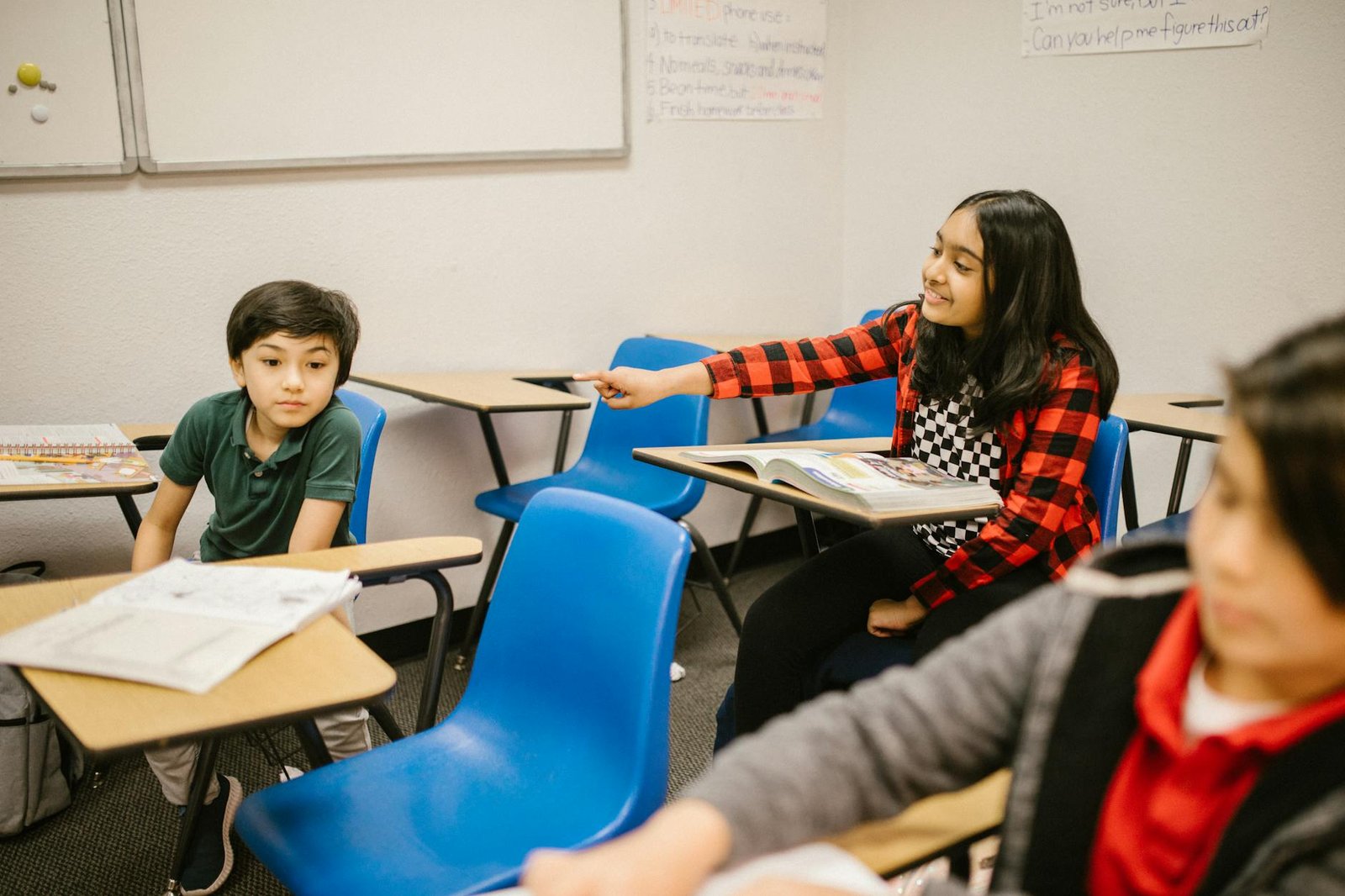
bullying inside a classroom

Photo by RDNE Stock project on <a href="https://www.pexels.com/photo/bullying-inside-a-classroom-6936178/" rel="nofollow">Pexels.com</a>

In the ever-evolving landscape of education, understanding how students learn best is crucial. John Hattie and Gregory Donoghue’s article, “Learning strategies: a synthesis and conceptual model,” published in npj Science of Learning, offers a comprehensive framework for understanding the effectiveness of various learning strategies at different stages of the learning process. This blog post will review their model, highlight its key insights, and discuss its implications for educators and learners alike.


The Purpose of the Model

Hattie and Donoghue set out to address a critical question: What are the most effective learning strategies, and when should they be used? To answer this, they synthesized findings from 228 meta-analyses, encompassing over 18,000 studies and millions of students. Their goal was to create a model that could guide educators in selecting and implementing learning strategies that align with the specific phases of learning.

The model they developed is both nuanced and practical, emphasizing that learning strategies are not universally effective. Instead, their effectiveness depends on the phase of learning—whether students are acquiring surface knowledge, deepening their understanding, or transferring their learning to new contexts.


Key Components of the Model

The model is built around several key components:

  1. Inputs and Outcomes: The model starts with three major inputs—skill (prior achievement), will (dispositions toward learning), and thrill (motivation). These inputs also serve as outcomes, meaning that successful learning enhances not just knowledge but also students’ dispositions and motivation.
  2. Success Criteria: Before diving into learning, students need to understand what success looks like. Clear success criteria help students set goals, monitor their progress, and choose appropriate strategies.
  3. Phases of Learning: The model identifies three phases of learning:
  • Surface Learning: Acquiring basic knowledge and skills.
  • Deep Learning: Understanding relationships between ideas and extending knowledge.
  • Transfer: Applying knowledge to new situations.

Each phase has an acquisition and consolidation stage, emphasizing the importance of both initial learning and reinforcing that learning over time.


Effective Strategies for Each Phase

One of the most valuable aspects of the model is its identification of specific strategies that are most effective at each phase of learning:

  • Surface Learning: Strategies like summarization, note-taking, and mnemonics are highly effective for acquiring basic knowledge. However, these strategies are less effective for deeper understanding or transfer.
  • Deep Learning: Strategies such as elaboration, organization, and metacognitive strategies (e.g., planning and monitoring) are crucial for developing a deeper understanding of the material.
  • Transfer: To apply knowledge to new contexts, students need to learn how to detect similarities and differences between situations. This requires higher-order thinking and problem-solving skills.

The authors emphasize that these strategies should not be taught in isolation but should be embedded within the content of the subject. This approach ensures that students understand not just how to use a strategy but also when and why to use it.


The Role of Motivation and Environment

The model also highlights the importance of motivation (the “thrill”) and the learning environment. While motivation is often seen as a precursor to learning, Hattie and Donoghue argue that it is also an outcome. Successful learning can enhance students’ motivation, creating a positive feedback loop.

Interestingly, the authors found that environmental factors, such as having a quiet study space or background music, have relatively small effects on learning outcomes. Instead, the focus should be on creating an environment that supports the development of effective learning strategies.


Implications for Educators

Hattie and Donoghue’s model has several important implications for educators:

  1. Tailor Strategies to the Learning Phase: Educators should be mindful of the phase of learning their students are in and select strategies accordingly. For example, using deep learning strategies too early, before students have acquired sufficient surface knowledge, can be ineffective.
  2. Teach Success Criteria: Helping students understand what success looks like before they begin a task can significantly enhance their learning. This involves not just setting goals but also teaching students how to monitor their progress and adjust their strategies as needed.
  3. Embed Strategy Training in Content: Rather than teaching learning strategies in isolation, educators should integrate them into the content of their lessons. This helps students see the relevance of the strategies and understand how to apply them in different contexts.
  4. Focus on Transfer: Educators should prioritize teaching students how to transfer their learning to new situations. This involves helping students recognize patterns, similarities, and differences between problems, which is a key skill for lifelong learning.

Conclusion

Hattie and Donoghue’s model provides a valuable framework for understanding the effectiveness of learning strategies at different stages of the learning process. By emphasizing the importance of aligning strategies with the phase of learning, the model offers practical guidance for educators looking to enhance their students’ learning outcomes.

While the model is not without its limitations—such as the need for further research on the optimal timing of strategy use—it represents a significant step forward in our understanding of how students learn. By adopting the principles outlined in this model, educators can help their students not only acquire knowledge but also develop the skills and dispositions needed for lifelong learning.


Final Thoughts: This article is a must-read for educators, curriculum designers, and anyone interested in the science of learning. It challenges us to think more strategically about how we teach and learn, and it provides a roadmap for doing so effectively. As Hattie and Donoghue remind us, learning is not just about what we know—it’s about how we know it and how we use it.

Continue Reading

Previous: 10 Transformative Insights from Lawrence A. Cremin on Learning and Education
Next: 10 Timeless Insights from Al-Ghazzali on Learning and Education

Categories

Archives

  • September 2025
  • July 2025
  • June 2025
  • May 2025
  • April 2025
  • March 2025
  • February 2025
  • January 2025
  • December 2024
  • November 2024
  • October 2024
  • September 2024
  • August 2024
  • July 2024
  • June 2024
  • May 2024
  • April 2024
  • March 2024
  • February 2024
  • January 2024
  • December 2023
  • November 2023
  • October 2023
  • September 2023
  • August 2023
  • July 2023
  • June 2023
  • May 2023
  • April 2023
  • March 2023
  • February 2023
  • January 2023
  • December 2022
  • November 2022
  • October 2022
  • September 2022
  • August 2022
  • July 2022
  • June 2022
  • May 2022
  • April 2022
  • March 2022
  • February 2022
  • January 2022
  • December 2021
  • November 2021
  • October 2021
  • September 2021
  • August 2021
  • July 2021
  • June 2021
  • May 2021
Copy Right © 2025–2026 Learning Science Digest (lsdigest.com). All rights reserved.

Copyright © 2025-2026 LsDigest.com

Copyright © 2025-2026 LsDigest.com | MoreNews by AF themes.