Skip to content

Learning-Science Digest

Fringe of Human Learning Technology and Emergence

Categories

  • 4E Cognition
  • Ability grouping
  • Accelerated learning
  • Acting/ Role play
  • Active learning
  • Active/ Action learning
  • Activities
  • Adaptive Learning
  • Administration & Leadership
  • Affordances
  • After-School Programs
  • Agency/ Autonomy
  • Analogy & Analogy based Learning
  • Anchored Instruction
  • Andragogy
  • Anthropology/ Ethnographic learning
  • Apprenticeship
  • Approaches
  • Apps
  • Artificial Intelligence
  • Assessment
  • Asynchronous Learning
  • Attitude
  • Banking model
  • Behavior Design
  • Behavioural
  • Belonging
  • Biology
  • Blended, Flipped, etc
  • books
  • Brain
  • Bricolage
  • Catholic Education
  • Causation
  • Coaching
  • Cognitive Diversity
  • Cognitive Load
  • Cognitive Science
  • Collaborative learning
  • Communities of practice
  • Competency-Based Learning
  • Complexity Theory
  • Compliance Training
  • Computational Learning
  • Computer Based Math
  • Concept Differences
  • Concept similarity
  • Connected Learning
  • Connectivism
  • Constraints
  • Constraints-Led Approach
  • Constructionism
  • Constructivism
  • Contextualized Learning
  • Contrast and Polarity
  • Courses
  • Creativity/ Innovation
  • Critical articles
  • Critical Pedagogy
  • Critical Thinking
  • Cultural Intelligence
  • Cultural Learning
  • Cumulative culture
  • Curriculum
  • Curriculum Design
  • Deliberate Practice
  • Design Science/ Approaches
  • Desirable Difficulty
  • Dialogic Learning
  • Differential learning
  • Digital Learning
  • Direct Instruction/ KLC
  • Disability and Learning
  • Discovery Learning
  • Discussion/ Debate
  • Disposition/Propensity
  • Distributed Cognition/ Learning
  • DIY learning/ Edupunk
  • Dynamics and learning
  • Early Intervention
  • Ecological Approch
  • Ecological Dynamics
  • Ed-tech
  • Education
  • Education Models
  • Education Policy
  • Education Thinkers
  • Effectuation
  • Elaboration
  • Embedded Cognition
  • Embodied Cognition
  • Emergence
  • Emergency learning
  • Emerging technology
  • Emulative learning
  • Enactive learning
  • Enskilment
  • Entangled pedagogy
  • Entrepreneurial Learning
  • Ethics and Moral learning
  • Evaluation
  • Evidence
  • Evolution and Learning
  • Exams
  • Exaptation
  • Exercise
  • Experiential Learning
  • Expertise
  • Explicit instruction
  • Extended Cognition
  • Family/ Religion
  • Feedback
  • Frameworks
  • Future Of Learning
  • Games/ Gamification
  • Generation Effect
  • Generative AI
  • Genius
  • Geragogy
  • Grading
  • Happiness and learning
  • Heuristics
  • Heutagogy
  • Higher Education
  • History Of Education
  • Home Slider
  • Home/ Home Schooling/ Learning
  • Homework
  • Human Machine Interface
  • Humor
  • Hypercorrection
  • Improvisation
  • Informal Learning
  • Innovation
  • Inquiry
  • Instructional Design
  • Instrumentalism
  • Intelligence
  • Interviews
  • Job training
  • Knowledge Rich Curriculum
  • Knowledge: Types. etc.
  • Labelling
  • Language Learning
  • Law and Legal Learning
  • Learning and Development
  • Learning Difficulties
  • Learning Environments
  • Learning for life
  • Learning in Chaos
  • Learning in complexity
  • Learning Management System
  • Learning Myths
  • Learning Programming
  • Learning Science
  • Learning Stations
  • Learning Systems
  • Learning Techniques/Methods
  • Learning Thinkers
  • Learning under anxiety/pressure/stress
  • Learning/ Teaching Strategies
  • Learning/ Understanding By Design
  • Looping effect
  • Maker Learning
  • Mastery
  • Mathew Effect
  • Maths Learning
  • Measurement
  • Medical Education/Learning
  • Memory
  • Meta-Analysis
  • Meta-Cognition
  • mindset
  • Mnemonics
  • Montessori
  • Motivation
  • Motor Learning
  • Music/ Arts and Learning
  • Mystagogy
  • Needs and Need based Learning
  • Networked Learning
  • Networks and Ecosystem
  • Neurodivergence
  • Neuroscience
  • Non Computational
  • Non-Representational
  • Nonlinear Pedagogy
  • Novelty and learning
  • Observational learning
  • On-the-Job Training
  • Online and MOOC Learning
  • outdoor-education
  • Pedagogy
  • Peer Learning
  • Personalized Learning
  • Philosophy Of Education
  • Philosophy Of Learning
  • Philosophy Of Science
  • Place-Based Learning
  • Play/ Ludic Pedagogy
  • Policy
  • Pragmatism
  • Problem-based learning
  • Productive Failures
  • Professional education
  • Professional Learning
  • Progressive Education
  • Project Based Learning
  • Proximity and Learning
  • Psychological Issues
  • Question asking/ Question design
  • Reading , Literacy , etc
  • Recognition
  • Reification/ Reductionism
  • Relational Expertise
  • Relational Learning
  • Religion
  • Research
  • Resting/ offline consolidation
  • Retrieval
  • Salience/Closeness
  • Scaffolding
  • Science Of Learning
  • self-efficacy
  • Self-Organization
  • Self-Paced Learning
  • Self-Regulated/ Self-Directed
  • Service Learning
  • Short Concept Introduction
  • Signalling
  • Simulation or Simulative Learning
  • Situated Learning
  • Skill
  • Sleep and Rest
  • Social Effects
  • Social Learning
  • Social-emotional learning
  • Society-Ecosystem etc
  • Socioeconomic Factors
  • Sociology Of Learning
  • Software And Technology Review
  • Speaking/Public Speaking
  • Spiral design
  • Sports learning
  • Sports Science
  • Story/Narrative based learning
  • Studying
  • Teacher/ teaching
  • Testing
  • Theology and learning
  • Theories
  • Tools, Aids, Artifacts
  • Training
  • Training Needs Analysis
  • Transdisciplinary/ Interdisciplinary, etc
  • Transfer Of Learning
  • Trending News
  • Uncategorized
  • Uncertainty and learning
  • Variable Practice
  • Vicarious learning
  • Video playlist
  • Virtual, Augmented, etc
  • Visible Learning/ Hattie
  • Visual Learning/Drawing
  • Vocational Education
  • Wakeful Resting
  • Work Place Learning
  • Workshop Model
  • Zone of Proximal Development (ZPD)
Primary Menu
  • Home
  • About
  • Thinkers
    • Learning Thinkers
    • Education Thinkers
  • Design For Learning
    • Design Science/ Approaches
    • Instructional Design
    • Behavior Design
    • Curriculum Design
    • Learning/ Understanding By Design
    • Motivation
    • Ecological Approch
    • Blended, Flipped, etc
    • Games/ Gamification
  • Tools/Techniques/Methods
    • Learning Techniques/Methods
    • Education Models
    • Testing
    • Retrieval
    • Blended, Flipped, etc
    • Differential learning
    • Dialogic Learning
    • Computer Based Math
    • Tools, Aids, Artifacts
    • Knowledge Rich Curriculum
    • Cognitive Load
    • Online and MOOC Learning
    • Scaffolding
    • Contrast and Polarity
    • Play/ Ludic Pedagogy
    • Problem-based learning
    • Cultural Learning
    • Direct Instruction/ KLC
    • Deliberate Practice
    • Visual Learning/Drawing
    • Games/ Gamification
    • Acting/ Role play
    • Analogy & Analogy based Learning
    • Inquiry
    • Improvisation
    • Constructionism
    • Situated Learning
    • Productive Failures
    • Anthropology/ Ethnographic learning
    • Project Based Learning
    • Connected Learning
    • Nonlinear Pedagogy
    • Personalized Learning
    • Maker Learning
    • Virtual, Augmented, etc
    • Service Learning
    • Constructivism
    • Connectivism
    • Vicarious learning
    • Active/ Action learning
    • Computational Learning
    • Relational Learning
    • Apprenticeship
    • Communities of practice
    • Home/ Home Schooling/ Learning
    • Contextualized Learning
    • DIY learning/ Edupunk
    • Constraints-Led Approach
    • Peer Learning
  • Domains
    • Language Learning
    • Entrepreneurial Learning
    • Maths Learning
    • Sports Science
    • Theology and learning
    • Sports learning
    • Professional education
    • Law and Legal Learning
    • Catholic Education
    • Higher Education
    • Medical Education/Learning
    • Work Place Learning
    • Learning Programming
    • On-the-Job Training
    • Job training
    • Compliance Training
  • Approaches
    • Neuroscience
    • Social Learning
    • Ecological Approch
    • 4E Cognition
    • Active learning
    • Transfer Of Learning
    • Cumulative culture
    • Embodied Cognition
    • Evolution and Learning
    • Embedded Cognition
    • Differential learning
    • Dialogic Learning
    • Experiential Learning
    • Learning Environments
    • Cultural Intelligence
    • Enactive learning
    • Constraints-Led Approach
    • Non-Representational
    • Self-Organization
    • Relational Learning
    • Relational Expertise
    • Enskilment
    • Extended Cognition
    • Distributed Cognition/ Learning
  • Artificial Intelligence
  • Education Policy
  • Expertise
Subscribe or Login
  • Home
  • Uncategorized
  • Understanding the Achievement Gap: Causes, Consequences, and Solutions
  • Socioeconomic Factors
  • Uncategorized

Understanding the Achievement Gap: Causes, Consequences, and Solutions

Jacob Chacko September 25, 2022
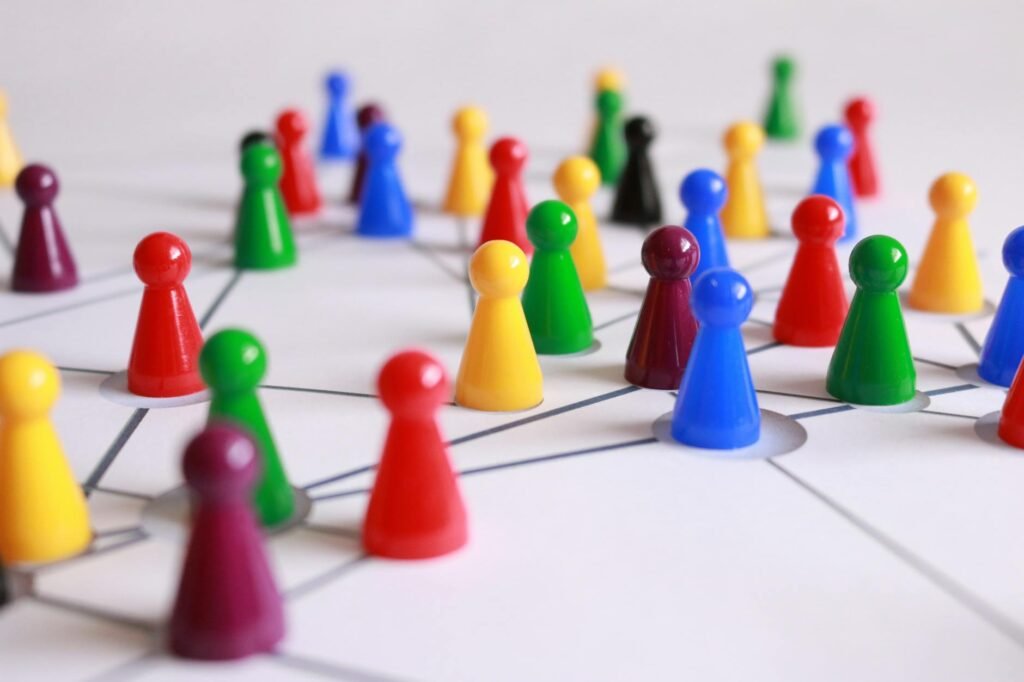
close up photography of yellow green red and brown plastic cones on white lined surface

Photo by Pixabay on <a href="https://www.pexels.com/photo/close-up-photography-of-yellow-green-red-and-brown-plastic-cones-on-white-lined-surface-163064/" rel="nofollow">Pexels.com</a>

Education is often hailed as the great equalizer, a pathway to opportunity and upward mobility. Yet, for many students, this promise remains unfulfilled due to the persistent and pervasive issue known as the achievement gap. The achievement gap describes the significant disparity in academic outcomes and educational attainment between different groups of students. Whether measured by grades, standardized test scores, course selection, or dropout rates, this gap highlights the unequal distribution of educational success, often along lines of race, income, and gender.

In this blog post, we’ll explore what the achievement gap is, its root causes, its far-reaching consequences, and what can be done to address it.


What Is the Achievement Gap?

The achievement gap refers to the difference in academic performance between groups of students. These groups are often defined by socioeconomic status, race, ethnicity, or gender. For example:

  • Income-based gaps: High-income students tend to outperform their low-income peers on standardized tests, graduate at higher rates, and are more likely to attend college.
  • Race-based gaps: Historically marginalized groups, such as Black, Hispanic, and Indigenous students, often face systemic barriers that result in lower academic achievement compared to their White and Asian peers.
  • Gender-based gaps: While girls often outperform boys in reading and language arts, boys may have an edge in math and science in some contexts.

These gaps are not just about test scores—they reflect deeper inequities in access to resources, opportunities, and support systems that are critical for academic success.


What Causes the Achievement Gap?

The achievement gap is a complex issue with roots in both systemic and individual factors. Here are some of the key contributors:

  1. Socioeconomic Disparities:
    Low-income students often face challenges such as inadequate access to quality schools, experienced teachers, and learning materials. They may also deal with food insecurity, unstable housing, and limited access to extracurricular activities, all of which can hinder academic performance.
  2. Racial and Ethnic Inequities:
    Systemic racism and historical disenfranchisement have created barriers for students of color. These include underfunded schools in predominantly minority neighborhoods, implicit bias among educators, and a lack of culturally relevant curricula.
  3. Educational Resources:
    Schools in wealthier districts often have more funding, advanced coursework, and modern facilities, while schools in poorer areas struggle with overcrowded classrooms and outdated resources.
  4. Family and Community Factors:
    Parental education levels, family stability, and community support play a significant role in student achievement. Students from disadvantaged backgrounds may lack access to academic support at home.
  5. Implicit Bias and Stereotypes:
    Teachers’ expectations and perceptions of students can influence outcomes. For example, studies have shown that students of color are often held to lower academic standards, which can limit their opportunities for growth.
  6. Language Barriers:
    English language learners (ELLs) may struggle to keep up with their peers if they do not receive adequate language support.

The Consequences of the Achievement Gap

The achievement gap doesn’t just affect individual students—it has far-reaching implications for society as a whole. Here are some of the consequences:

  1. Economic Inequality:
    Students who fall behind academically are less likely to graduate high school, attend college, or secure well-paying jobs. This perpetuates cycles of poverty and limits economic mobility.
  2. Social Inequity:
    The gap reinforces existing social hierarchies, disproportionately affecting marginalized communities and widening the divide between the “haves” and “have-nots.”
  3. Lost Potential:
    When students are unable to reach their full potential due to systemic barriers, society loses out on their talents, ideas, and contributions.
  4. Strain on Public Systems:
    Lower educational attainment is linked to higher rates of unemployment, incarceration, and reliance on social services, placing a burden on public systems.

How Can We Close the Achievement Gap?

Closing the achievement gap requires a multifaceted approach that addresses both the symptoms and root causes of educational inequity. Here are some strategies:

  1. Equitable School Funding:
    Ensure that schools in low-income areas receive adequate funding to provide quality education, hire experienced teachers, and maintain modern facilities.
  2. Early Childhood Education:
    Invest in early childhood programs like preschool and Head Start to give all children a strong foundation for learning.
  3. Culturally Responsive Teaching:
    Train educators to recognize and address implicit bias, and incorporate culturally relevant materials into the curriculum.
  4. Targeted Support for At-Risk Students:
    Provide additional resources such as tutoring, mentoring, and after-school programs for students who are struggling academically.
  5. Parental and Community Engagement:
    Involve families and communities in the educational process to create a supportive environment for students.
  6. Policy Changes:
    Advocate for policies that address systemic inequities, such as affordable housing, healthcare, and nutrition programs, which indirectly impact academic success.
  7. Data-Driven Interventions:
    Use data to identify gaps and implement targeted interventions that address specific needs.

The Road Ahead

The achievement gap is a stark reminder that not all students have an equal chance to succeed. While the challenges are significant, they are not insurmountable. By addressing the root causes of educational inequity and implementing evidence-based solutions, we can create a more just and equitable education system.

Closing the achievement gap isn’t just about improving test scores—it’s about ensuring that every child, regardless of their background, has the opportunity to reach their full potential. As educators, policymakers, and community members, we all have a role to play in making this vision a reality.

Continue Reading

Previous: Unlocking Critical Thinking: The Power of Socratic Questioning in Learning and Teaching
Next: Artificial Intelligence and the Future of Human Learning(UCLA Video)

Categories

Archives

  • September 2025
  • July 2025
  • June 2025
  • May 2025
  • April 2025
  • March 2025
  • February 2025
  • January 2025
  • December 2024
  • November 2024
  • October 2024
  • September 2024
  • August 2024
  • July 2024
  • June 2024
  • May 2024
  • April 2024
  • March 2024
  • February 2024
  • January 2024
  • December 2023
  • November 2023
  • October 2023
  • September 2023
  • August 2023
  • July 2023
  • June 2023
  • May 2023
  • April 2023
  • March 2023
  • February 2023
  • January 2023
  • December 2022
  • November 2022
  • October 2022
  • September 2022
  • August 2022
  • July 2022
  • June 2022
  • May 2022
  • April 2022
  • March 2022
  • February 2022
  • January 2022
  • December 2021
  • November 2021
  • October 2021
  • September 2021
  • August 2021
  • July 2021
  • June 2021
  • May 2021
Copy Right © 2025–2026 Learning Science Digest (lsdigest.com). All rights reserved.

Copyright © 2025-2026 LsDigest.com

Copyright © 2025-2026 LsDigest.com | MoreNews by AF themes.