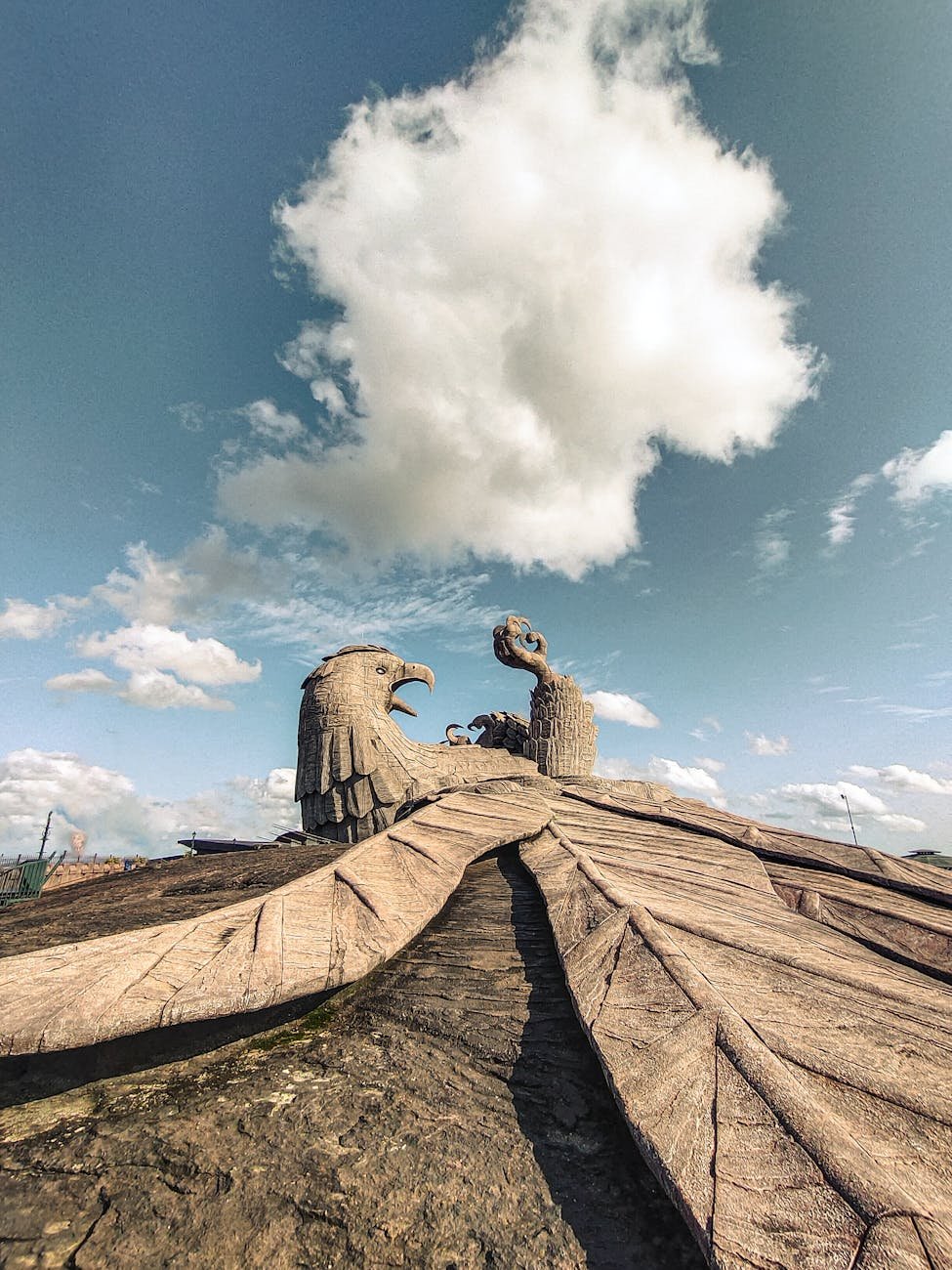
Photo by Jaison J Samuel on <a href="https://www.pexels.com/photo/jatayu-earth-s-center-27776384/" rel="nofollow">Pexels.com</a>
The Ramayana, one of the great Indian epics, offers timeless lessons about teaching and education, woven through its stories and characters. Here are some insights:
1. Guru-Disciple Relationship
- Lesson: Respect for the teacher and the sanctity of the teacher-student relationship.
- Example: Lord Rama and his brothers studied under Sage Vasishta and Sage Vishwamitra. The humility and obedience they showed highlight the importance of respecting the teacher’s wisdom and guidance.
- Application: The student-teacher bond thrives on mutual respect, humility, and a genuine eagerness to learn.
2. Education as a Holistic Process
- Lesson: Education encompasses moral, spiritual, and practical dimensions.
- Example: Rama and Lakshmana learned not just warfare and archery but also values like dharma (righteousness), compassion, and self-discipline.
- Application: Education should nurture both skills and virtues, preparing students for all aspects of life.
3. Importance of Experiential Learning
- Lesson: Real learning often comes through experience.
- Example: Rama’s exile was a journey that tested his virtues, endurance, and leadership. The lessons he learned in the forest were critical to his growth.
- Application: Students should engage in real-world challenges and reflective learning to develop wisdom and resilience.
4. Role of Stories and Epics in Moral Education
- Lesson: Narratives are powerful tools for teaching values and ethics.
- Example: Through the Ramayana itself, generations have learned about dharma, loyalty, and self-sacrifice.
- Application: Incorporate stories and cultural narratives in teaching to make learning engaging and value-rich.
5. Collaboration and Cognitive Diversity
- Lesson: Collective problem-solving enhances learning.
- Example: The alliance of Rama, Lakshmana, Sugriva, Hanuman, and others showcased diverse strengths working together to achieve a shared goal.
- Application: Foster collaborative learning and value diverse perspectives in group settings.
6. Respect for Nature and Lifelong Learning
- Lesson: Learn from nature and remain a lifelong learner.
- Example: Rama’s time in the forest was filled with observation and learning from nature and sages like Agastya.
- Application: Encourage students to explore the natural world and cultivate curiosity and adaptability.
7. Balance of Authority and Compassion in Leadership
- Lesson: A good teacher or leader is both firm and compassionate.
- Example: Rama balanced his responsibilities as a prince with empathy, even in challenging situations.
- Application: Educators should guide with authority but also understand and care for students’ individual needs.