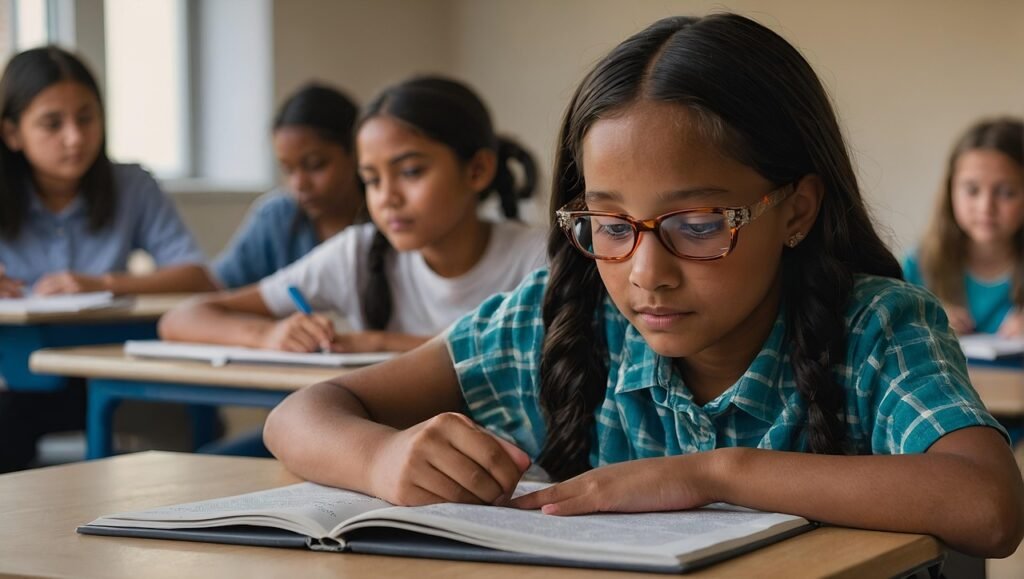
Education has long been championed as the great equalizer, a tool to uplift individuals and communities. Yet, the stark reality is that an opportunity gap persists, deeply embedded in the socioeconomic and cultural fabric of societies worldwide. This gap—defined by the disparities in access to educational resources and opportunities—has far-reaching implications for learning performance, achievement levels, and the fulfillment of individual potential.
What is the Opportunity Gap?
The opportunity gap reflects how arbitrary circumstances such as race, ethnicity, ZIP code, socioeconomic status, English proficiency, and familial situations can predetermine the educational experiences and outcomes of students. It underscores the unequal starting points in the race for academic success and lifelong learning.
This gap isn’t merely an abstract concept; it’s a tangible divide seen in overcrowded classrooms, underfunded schools, and communities with limited access to libraries or technology. It’s a divide where one child may grow up surrounded by books, engaging conversations, and a stable environment conducive to learning, while another struggles in a setting with fewer resources and support systems.
The Power of Resources: Books and Beyond
Research highlights that the presence of books in a home correlates strongly with higher IQ and academic achievement. A home environment rich in books fosters curiosity, literacy skills, and a love for learning from an early age. However, the correlation is not solely about books; it’s about access to knowledge and a culture of learning.
Similarly, access to quality schools, extracurricular activities, and supportive educators plays a critical role. Schools with well-maintained facilities, modern technology, and experienced teachers provide students with a stronger foundation compared to under-resourced schools struggling to meet basic needs.
The Role of Socioeconomic Status and Community Wealth
Socioeconomic status is a defining factor in the opportunity gap. Families with higher incomes can often afford private tutoring, educational materials, and enrichment activities that boost learning performance. Conversely, students from low-income families may face challenges like food insecurity, unstable housing, or the need to work part-time jobs, all of which detract from their academic focus and performance.
Community wealth also determines the quality of public schools. Schools funded by local taxes in affluent neighborhoods often have more resources than those in economically disadvantaged areas. This creates a cyclical effect, where students in wealthier communities continue to thrive while those in poorer areas struggle to break free from systemic barriers.
Addressing the Opportunity Gap
Bridging the opportunity gap requires a multifaceted approach that goes beyond reforming schools. It calls for systemic change, including:
- Equitable Funding: Allocating resources to schools based on need rather than local wealth. This ensures that every child, regardless of their ZIP code, has access to quality education.
- Community Support: Building networks of support within communities, such as after-school programs, mentorship opportunities, and accessible libraries, to enrich the learning environment.
- Early Intervention: Providing early childhood education programs, such as Head Start, to level the playing field before formal schooling begins.
- Policy and Advocacy: Addressing broader societal inequalities, such as affordable housing, healthcare, and nutrition, which directly impact a child’s ability to learn.
- Empowering Families: Offering resources and workshops to parents and caregivers to help them create supportive learning environments at home.
Moving Toward Equity
The opportunity gap is not an insurmountable challenge. By acknowledging its existence and addressing its root causes, we can move toward an educational system that values potential over circumstance. Every child deserves the chance to excel, and closing the opportunity gap is a crucial step in ensuring that education truly serves as the great equalizer.
Investing in equitable education is an investment in society’s future. It’s a commitment to a world where every learner, regardless of their background, can perform to the best of their ability and contribute meaningfully to the world around them.