Skip to content

Learning-Science Digest

Fringe of Human Learning Technology and Emergence

Categories

  • 4E Cognition
  • Ability grouping
  • Accelerated learning
  • Acting/ Role play
  • Active learning
  • Active/ Action learning
  • Activities
  • Adaptive Learning
  • Administration & Leadership
  • Affordances
  • After-School Programs
  • Agency/ Autonomy
  • Analogy & Analogy based Learning
  • Anchored Instruction
  • Andragogy
  • Anthropology/ Ethnographic learning
  • Apprenticeship
  • Approaches
  • Apps
  • Artificial Intelligence
  • Assessment
  • Asynchronous Learning
  • Attitude
  • Banking model
  • Behavior Design
  • Behavioural
  • Belonging
  • Biology
  • Blended, Flipped, etc
  • books
  • Brain
  • Bricolage
  • Catholic Education
  • Causation
  • Coaching
  • Cognitive Diversity
  • Cognitive Load
  • Cognitive Science
  • Collaborative learning
  • Communities of practice
  • Competency-Based Learning
  • Complexity Theory
  • Compliance Training
  • Computational Learning
  • Computer Based Math
  • Concept Differences
  • Concept similarity
  • Connected Learning
  • Connectivism
  • Constraints
  • Constraints-Led Approach
  • Constructionism
  • Constructivism
  • Contextualized Learning
  • Contrast and Polarity
  • Courses
  • Creativity/ Innovation
  • Critical articles
  • Critical Pedagogy
  • Critical Thinking
  • Cultural Intelligence
  • Cultural Learning
  • Cumulative culture
  • Curriculum
  • Curriculum Design
  • Deliberate Practice
  • Design Science/ Approaches
  • Desirable Difficulty
  • Dialogic Learning
  • Differential learning
  • Digital Learning
  • Direct Instruction/ KLC
  • Disability and Learning
  • Discovery Learning
  • Discussion/ Debate
  • Disposition/Propensity
  • Distributed Cognition/ Learning
  • DIY learning/ Edupunk
  • Dynamics and learning
  • Early Intervention
  • Ecological Approch
  • Ecological Dynamics
  • Ed-tech
  • Education
  • Education Models
  • Education Policy
  • Education Thinkers
  • Effectuation
  • Elaboration
  • Embedded Cognition
  • Embodied Cognition
  • Emergence
  • Emergency learning
  • Emerging technology
  • Emulative learning
  • Enactive learning
  • Enskilment
  • Entangled pedagogy
  • Entrepreneurial Learning
  • Ethics and Moral learning
  • Evaluation
  • Evidence
  • Evolution and Learning
  • Exams
  • Exaptation
  • Exercise
  • Experiential Learning
  • Expertise
  • Explicit instruction
  • Extended Cognition
  • Family/ Religion
  • Feedback
  • Frameworks
  • Future Of Learning
  • Games/ Gamification
  • Generation Effect
  • Generative AI
  • Genius
  • Geragogy
  • Grading
  • Happiness and learning
  • Heuristics
  • Heutagogy
  • Higher Education
  • History Of Education
  • Home Slider
  • Home/ Home Schooling/ Learning
  • Homework
  • Human Machine Interface
  • Humor
  • Hypercorrection
  • Improvisation
  • Informal Learning
  • Innovation
  • Inquiry
  • Instructional Design
  • Instrumentalism
  • Intelligence
  • Interviews
  • Job training
  • Knowledge Rich Curriculum
  • Knowledge: Types. etc.
  • Labelling
  • Language Learning
  • Law and Legal Learning
  • Learning and Development
  • Learning Difficulties
  • Learning Environments
  • Learning for life
  • Learning in Chaos
  • Learning in complexity
  • Learning Management System
  • Learning Myths
  • Learning Programming
  • Learning Science
  • Learning Stations
  • Learning Systems
  • Learning Techniques/Methods
  • Learning Thinkers
  • Learning under anxiety/pressure/stress
  • Learning/ Teaching Strategies
  • Learning/ Understanding By Design
  • Looping effect
  • Maker Learning
  • Mastery
  • Mathew Effect
  • Maths Learning
  • Measurement
  • Medical Education/Learning
  • Memory
  • Meta-Analysis
  • Meta-Cognition
  • mindset
  • Mnemonics
  • Montessori
  • Motivation
  • Motor Learning
  • Music/ Arts and Learning
  • Mystagogy
  • Needs and Need based Learning
  • Networked Learning
  • Networks and Ecosystem
  • Neurodivergence
  • Neuroscience
  • Non Computational
  • Non-Representational
  • Nonlinear Pedagogy
  • Novelty and learning
  • Observational learning
  • On-the-Job Training
  • Online and MOOC Learning
  • outdoor-education
  • Pedagogy
  • Peer Learning
  • Personalized Learning
  • Philosophy Of Education
  • Philosophy Of Learning
  • Philosophy Of Science
  • Place-Based Learning
  • Play/ Ludic Pedagogy
  • Policy
  • Pragmatism
  • Problem-based learning
  • Productive Failures
  • Professional education
  • Professional Learning
  • Progressive Education
  • Project Based Learning
  • Proximity and Learning
  • Psychological Issues
  • Question asking/ Question design
  • Reading , Literacy , etc
  • Recognition
  • Reification/ Reductionism
  • Relational Expertise
  • Relational Learning
  • Religion
  • Research
  • Resting/ offline consolidation
  • Retrieval
  • Salience/Closeness
  • Scaffolding
  • Science Of Learning
  • self-efficacy
  • Self-Organization
  • Self-Paced Learning
  • Self-Regulated/ Self-Directed
  • Service Learning
  • Short Concept Introduction
  • Signalling
  • Simulation or Simulative Learning
  • Situated Learning
  • Skill
  • Sleep and Rest
  • Social Effects
  • Social Learning
  • Social-emotional learning
  • Society-Ecosystem etc
  • Socioeconomic Factors
  • Sociology Of Learning
  • Software And Technology Review
  • Speaking/Public Speaking
  • Spiral design
  • Sports learning
  • Sports Science
  • Story/Narrative based learning
  • Studying
  • Teacher/ teaching
  • Testing
  • Theology and learning
  • Theories
  • Tools, Aids, Artifacts
  • Training
  • Training Needs Analysis
  • Transdisciplinary/ Interdisciplinary, etc
  • Transfer Of Learning
  • Trending News
  • Uncategorized
  • Uncertainty and learning
  • Variable Practice
  • Vicarious learning
  • Video playlist
  • Virtual, Augmented, etc
  • Visible Learning/ Hattie
  • Visual Learning/Drawing
  • Vocational Education
  • Wakeful Resting
  • Work Place Learning
  • Workshop Model
  • Zone of Proximal Development (ZPD)
Primary Menu
  • Home
  • About
  • Thinkers
    • Learning Thinkers
    • Education Thinkers
  • Design For Learning
    • Design Science/ Approaches
    • Instructional Design
    • Behavior Design
    • Curriculum Design
    • Learning/ Understanding By Design
    • Motivation
    • Ecological Approch
    • Blended, Flipped, etc
    • Games/ Gamification
  • Tools/Techniques/Methods
    • Learning Techniques/Methods
    • Education Models
    • Testing
    • Retrieval
    • Blended, Flipped, etc
    • Differential learning
    • Dialogic Learning
    • Computer Based Math
    • Tools, Aids, Artifacts
    • Knowledge Rich Curriculum
    • Cognitive Load
    • Online and MOOC Learning
    • Scaffolding
    • Contrast and Polarity
    • Play/ Ludic Pedagogy
    • Problem-based learning
    • Cultural Learning
    • Direct Instruction/ KLC
    • Deliberate Practice
    • Visual Learning/Drawing
    • Games/ Gamification
    • Acting/ Role play
    • Analogy & Analogy based Learning
    • Inquiry
    • Improvisation
    • Constructionism
    • Situated Learning
    • Productive Failures
    • Anthropology/ Ethnographic learning
    • Project Based Learning
    • Connected Learning
    • Nonlinear Pedagogy
    • Personalized Learning
    • Maker Learning
    • Virtual, Augmented, etc
    • Service Learning
    • Constructivism
    • Connectivism
    • Vicarious learning
    • Active/ Action learning
    • Computational Learning
    • Relational Learning
    • Apprenticeship
    • Communities of practice
    • Home/ Home Schooling/ Learning
    • Contextualized Learning
    • DIY learning/ Edupunk
    • Constraints-Led Approach
    • Peer Learning
  • Domains
    • Language Learning
    • Entrepreneurial Learning
    • Maths Learning
    • Sports Science
    • Theology and learning
    • Sports learning
    • Professional education
    • Law and Legal Learning
    • Catholic Education
    • Higher Education
    • Medical Education/Learning
    • Work Place Learning
    • Learning Programming
    • On-the-Job Training
    • Job training
    • Compliance Training
  • Approaches
    • Neuroscience
    • Social Learning
    • Ecological Approch
    • 4E Cognition
    • Active learning
    • Transfer Of Learning
    • Cumulative culture
    • Embodied Cognition
    • Evolution and Learning
    • Embedded Cognition
    • Differential learning
    • Dialogic Learning
    • Experiential Learning
    • Learning Environments
    • Cultural Intelligence
    • Enactive learning
    • Constraints-Led Approach
    • Non-Representational
    • Self-Organization
    • Relational Learning
    • Relational Expertise
    • Enskilment
    • Extended Cognition
    • Distributed Cognition/ Learning
  • Artificial Intelligence
  • Education Policy
  • Expertise
Subscribe or Login
  • Home
  • Brain
  • The Neuroscience of Learning: Separating Hype from Insight
  • Brain
  • Neuroscience
  • Pedagogy

The Neuroscience of Learning: Separating Hype from Insight

Neural plasticity, the ability of the brain to adapt and reorganize itself, is often hailed as a groundbreaking discovery in education and pedagogy. However, it is essentially another term for what educators and psychologists have long understood: learning and development. This concept, described at the neural level, has been repackaged in “neurospeak,” often as though it’s a revolutionary insight. While understanding neural plasticity deepens our grasp of how learning happens at a biological level, it’s important to keep its implications in perspective.
kiran Johny October 6, 2023
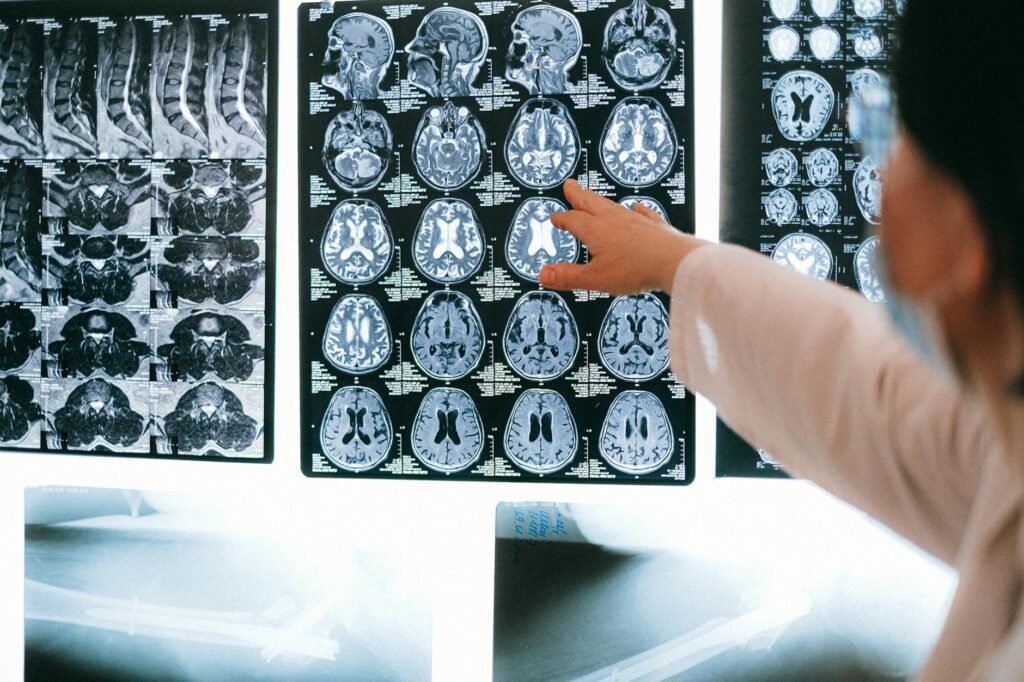
close up shot of mri results

Photo by Anna Shvets on <a href="https://www.pexels.com/photo/close-up-shot-of-mri-results-4226264/" rel="nofollow">Pexels.com</a>

Neural plasticity, the ability of the brain to adapt and reorganize itself, is often hailed as a groundbreaking discovery in education and pedagogy. However, it is essentially another term for what educators and psychologists have long understood: learning and development. This concept, described at the neural level, has been repackaged in “neurospeak,” often as though it’s a revolutionary insight. While understanding neural plasticity deepens our grasp of how learning happens at a biological level, it’s important to keep its implications in perspective.

Neuroscience offers a rich, complementary lens through which to explore educational practices, but it cannot determine what constitutes effective pedagogy. This distinction is critical yet frequently overlooked in the rush to apply neuroscience findings directly to classrooms. Below, we explore how neuroscience can inform, but not dictate, pedagogy and share four insightful threads that illuminate its role in education.

Neuroscience and Pedagogy: A Supporting Role

Neuroscience provides supporting explanations for how certain educational interventions impact the brain, but it cannot stand alone as the arbiter of effective teaching strategies. For instance, evidence from behavioral studies showing gains in literacy or numeracy due to specific interventions often directs neuroscientists to study the corresponding brain activity. The direction flows from behavioral evidence to the brain—not the other way around.

Consider phonics instruction as an example. If a researcher claims, “Neuroscience suggests that phonics would be an effective pedagogy,” they overstep. Neural data can reveal how phonics instruction activates specific brain regions associated with reading, but it cannot directly validate the effectiveness of phonics as a pedagogical approach. Effectiveness is determined by measurable behavioral outcomes such as improved reading fluency or comprehension. Neuroscience is valuable here as a correlational tool, supporting findings from educational research rather than driving them.

Misplaced Revelations: Neurospeak in Education

In an era of fascination with brain-based explanations, even the most basic insights about learning can gain undue attention when framed in neuroscientific terms. Terms like “working memory,” “reward systems,” and “attention networks” are often introduced in ways that obscure their connection to well-established psychological principles. This veneer of novelty can lead to misplaced priorities in educational policy and practice, as educators may feel pressured to adopt “brain-based” approaches without a clear understanding of their actual pedagogical value.

Four Twitter Threads on Neuroscience and Education

To delve deeper into the nuanced role of neuroscience in pedagogy, here are four insightful Twitter threads:

  1. The Limits of Neuroscience in Education
    This thread critiques the tendency to overstate the direct applicability of neural findings to classroom teaching. It highlights cases where neuroscientific claims have misled educational policy decisions, emphasizing the need for rigorous behavioral evidence as the foundation for pedagogy.
  2. Understanding Neural Plasticity Through Intervention Studies
    By analyzing studies that connect behavioral improvements with changes in brain activity, this thread explores how neuroscience can validate the neural correlates of learning without dictating instructional methods.
  3. Why Neurospeak Isn’t Always Necessary
    This discussion demystifies popular neuroscientific terms, showing how they often repurpose psychological concepts. It encourages educators to focus on practical outcomes rather than getting caught up in the allure of complex scientific jargon.
  4. Behavioral Evidence as the Starting Point
    This thread explores how the progression from observable behavior to brain research strengthens our understanding of learning. It underscores why pedagogical practices must be grounded in behavioral science, with neuroscience as a complementary tool.

Conclusion

Neuroscience enriches our understanding of learning, offering valuable insights into how the brain adapts and processes information. However, its role in shaping pedagogy is indirect. Effective teaching strategies arise from robust behavioral research, with neuroscience providing a supporting layer of explanation. By distinguishing between the levels of analysis, educators and policymakers can harness the strengths of neuroscience without succumbing to the pitfalls of neurospeak. Ultimately, the goal is not to replace educational expertise with brain science but to integrate these fields thoughtfully for the benefit of learners everywhere.

Continue Reading

Previous: 10 Insights from Jürgen Habermas on Learning, Education, and Emancipation
Next: Asking questions: Retrieval and learning

Categories

Archives

  • September 2025
  • July 2025
  • June 2025
  • May 2025
  • April 2025
  • March 2025
  • February 2025
  • January 2025
  • December 2024
  • November 2024
  • October 2024
  • September 2024
  • August 2024
  • July 2024
  • June 2024
  • May 2024
  • April 2024
  • March 2024
  • February 2024
  • January 2024
  • December 2023
  • November 2023
  • October 2023
  • September 2023
  • August 2023
  • July 2023
  • June 2023
  • May 2023
  • April 2023
  • March 2023
  • February 2023
  • January 2023
  • December 2022
  • November 2022
  • October 2022
  • September 2022
  • August 2022
  • July 2022
  • June 2022
  • May 2022
  • April 2022
  • March 2022
  • February 2022
  • January 2022
  • December 2021
  • November 2021
  • October 2021
  • September 2021
  • August 2021
  • July 2021
  • June 2021
  • May 2021
Copy Right © 2025–2026 Learning Science Digest (lsdigest.com). All rights reserved.

Copyright © 2025-2026 LsDigest.com

Copyright © 2025-2026 LsDigest.com | MoreNews by AF themes.