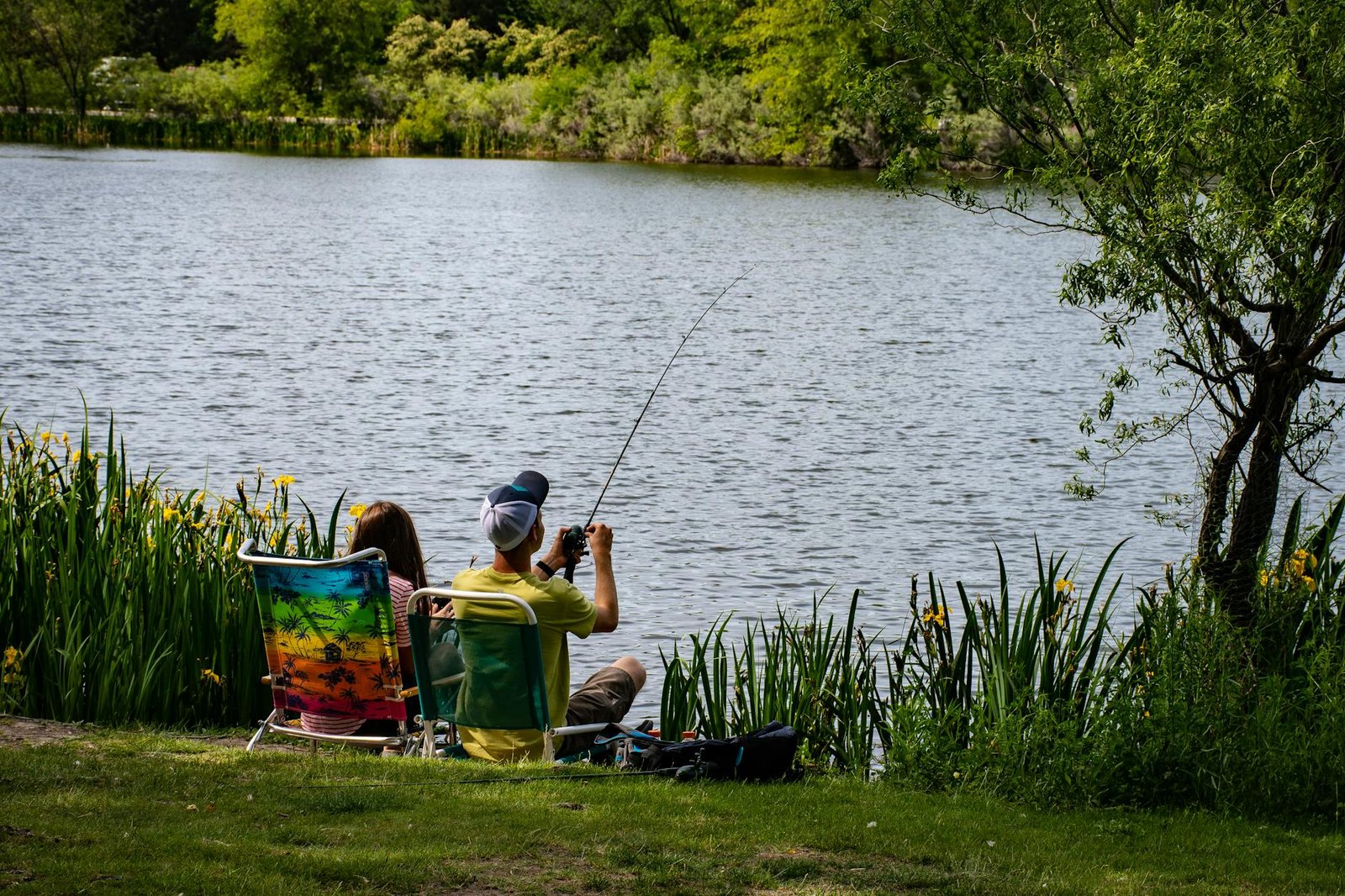
Photo by Brett Sayles on <a href="https://www.pexels.com/photo/fishing-man-wearing-yellow-shirt-1143926/" rel="nofollow">Pexels.com</a>
The debate over the role of knowledge in education has intensified in recent years, with advocates of the “knowledge-rich” curriculum arguing that imparting foundational knowledge is the most effective way to prepare students for the future. Proponents assert that without a solid base of facts, students cannot think critically, solve problems, or innovate.
While this perspective has merits, it also invites criticism for its potentially narrow approach. A knowledge-rich curriculum often feels like giving students a fish: it feeds them facts to satisfy immediate academic demands but neglects to provide the metaphorical fishing net and boat—tools and skills that empower them to independently acquire, evaluate, and apply knowledge in diverse and unpredictable contexts.
The Problem with “Giving Fish”
The knowledge-rich approach assumes that filling students’ minds with factual knowledge is sufficient for lifelong learning. However, this approach has limitations:
1. Knowledge Without Skills is Limited
Factual knowledge is important, but it is only one part of the equation. Without the skills to use that knowledge—critical thinking, problem-solving, creativity, and collaboration—students are left dependent on educators or authority figures to guide them.
For instance, knowing historical dates or scientific facts is valuable, but without the ability to contextualize, analyze, or question these facts, students are unable to fully engage with or expand upon what they’ve learned. This is akin to providing a fish: it satisfies the immediate hunger but leaves the learner reliant on others for sustenance.
2. Ignoring the Value of the Fishing Net and Boat
A robust education should not just provide facts (the fish) but also teach students how to learn, how to question, and how to seek out knowledge (the fishing net and boat). These tools are essential for navigating the vast and ever-changing sea of information in the digital age.
- The Fishing Net (Critical Thinking and Digital Literacy): In a world where information is abundant but often unreliable, students need the tools to evaluate sources, distinguish credible information from misinformation, and synthesize diverse perspectives. Without these skills, they are prone to accepting the first answer they find, as studies have shown many students struggle with discerning online content’s credibility.
- The Boat (Adaptability and Lifelong Learning): The knowledge-rich curriculum often assumes that the facts taught in school will remain relevant throughout a student’s life. But knowledge evolves rapidly—today’s truths may be tomorrow’s misconceptions. The boat represents adaptability: the ability to navigate changing circumstances and acquire new skills or knowledge as needed.
3. Dependency vs. Independence
By focusing primarily on imparting knowledge, the curriculum risks fostering dependency rather than independence. Students may excel at recalling facts but struggle when faced with novel problems or situations that require independent thinking or creativity.
For example, knowing how to solve a specific type of math problem is useful, but understanding the underlying principles and being able to apply them in unfamiliar contexts is far more valuable. The latter requires not just knowledge but also the skills and mindset to approach problems creatively and analytically.
Striking a Balance: Fish, Net, and Boat
An ideal education system would combine the strengths of the knowledge-rich curriculum with a greater emphasis on equipping students with the tools to thrive in a complex, fast-changing world.
1. Teach Knowledge in Context
Knowledge should not be taught as isolated facts but as part of a broader framework that emphasizes relationships, context, and applications. For example, rather than memorizing historical dates, students could explore the causes and consequences of historical events, encouraging them to think critically about patterns and implications.
2. Prioritize Skills Alongside Knowledge
Critical thinking, problem-solving, and digital literacy should be integrated into every subject. These skills empower students to actively engage with knowledge, rather than passively receiving it.
3. Encourage Inquiry and Exploration
Fostering curiosity and a love of learning can help students become lifelong learners. By encouraging questions, experimentation, and exploration, educators can instill the mindset needed to seek out and create new knowledge independently.
4. Prepare for a Dynamic Future
Rather than preparing students for a static world, education should equip them to adapt to change. This involves teaching transferable skills—like communication, collaboration, and resilience—that remain relevant even as specific knowledge evolves.
Conclusion: The Education We Owe Our Students
The knowledge-rich curriculum is not inherently flawed—it rightly emphasizes the importance of foundational knowledge. But without teaching students how to learn, adapt, and apply that knowledge in a rapidly changing world, it risks creating a generation of students who are well-informed but ill-equipped to navigate the complexities of modern life.
By balancing the provision of “fish” (knowledge) with the tools and skills represented by the “fishing net” and “boat,” education can empower students to become independent, critical thinkers capable of thriving in an uncertain future. Ultimately, the goal should not be just to feed the mind, but to equip it for a lifetime of curiosity, growth, and innovation.