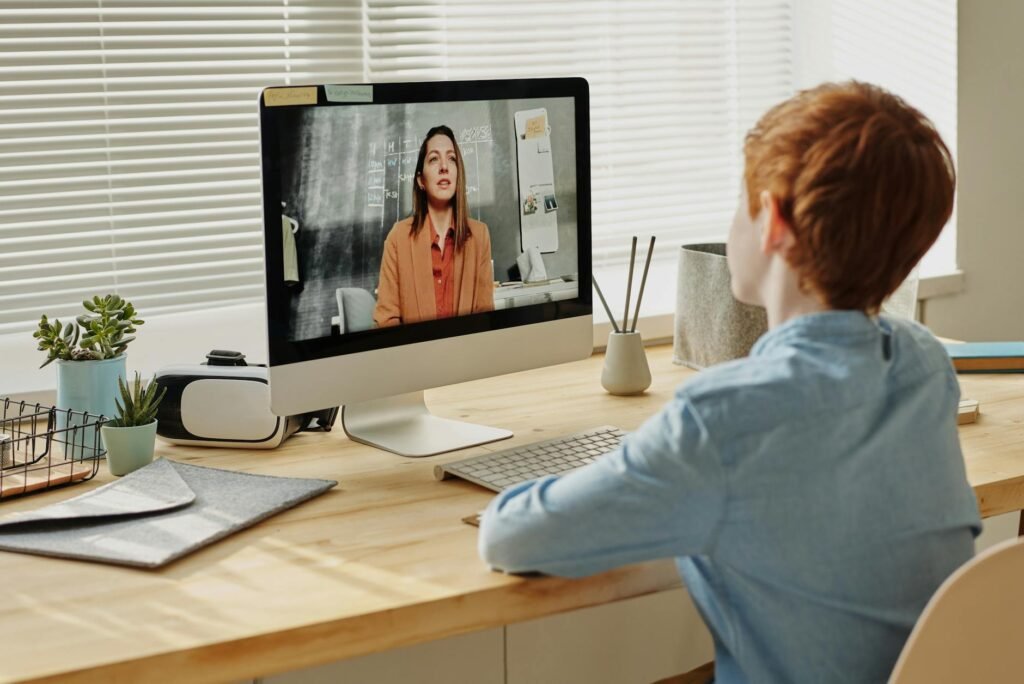
In an age where video content dominates our screens, learning has seemingly become more accessible than ever. Platforms like YouTube, TED, and online learning courses provide opportunities to delve into topics ranging from quantum physics to DIY crafts. But beneath the surface of this convenience lies a cognitive pitfall known as the Illusion of Explanatory Depth (IoED). This phenomenon occurs when individuals believe they understand something deeply, only to discover their understanding is shallow when asked to explain it.
The question is: Can listening to videos exacerbate this illusion? Let’s explore.
What is the Illusion of Explanatory Depth?
The Illusion of Explanatory Depth refers to the overestimation of one’s understanding of a subject. For example, many people might feel confident in explaining how a zipper works or why the sky is blue, but upon closer scrutiny, they realize their grasp is far less detailed than they thought. This cognitive bias thrives in scenarios where surface-level exposure feels sufficient to form an understanding.
How Video Content Amplifies IoED
Videos are particularly prone to creating a sense of false mastery due to their unique characteristics:
- Passivity in Consumption: Unlike reading or hands-on learning, listening to videos is often a passive activity. The act of hearing an articulate speaker or watching polished animations can create a sense of clarity, even if the viewer isn’t actively processing or engaging with the material.
- Polished Narratives: Many educational videos simplify complex topics into digestible, engaging narratives. While this makes learning approachable, it can also strip away nuances, leading viewers to believe they’ve grasped the full picture.
- Visual Reinforcement: Videos often pair verbal explanations with visuals, which can create the illusion that a concept is understood. For instance, watching a schematic of a rocket’s propulsion system might feel enlightening, but this doesn’t necessarily translate to a deep, functional understanding.
- Confirmation Bias: Videos often present curated information that aligns with the viewer’s expectations or existing knowledge. This can reinforce the false belief that one’s understanding is complete.
Why This Matters
The IoED is not just an academic curiosity; it has real-world implications. Overconfidence in one’s knowledge can lead to poor decision-making, an inability to recognize gaps in understanding, and resistance to further learning. For example, someone who listens to a video on investment strategies might feel equipped to navigate the stock market, only to face significant losses due to an incomplete grasp of financial principles.
Overcoming IoED When Consuming Videos
To counteract the Illusion of Explanatory Depth, here are some strategies to adopt when learning through video content:
- Engage Actively: Pause the video periodically to summarize what you’ve learned. Ask yourself if you can explain the concept without referring back to the content.
- Test Your Understanding: Try teaching the concept to someone else or apply it to a real-world scenario. This process often reveals gaps in understanding.
- Seek Multiple Perspectives: Don’t rely solely on one video or source. Explore the topic through various mediums, including articles, books, and discussions, to gain a well-rounded view.
- Embrace Complexity: Recognize that simplified explanations are starting points, not endpoints. Dive deeper into the topic to understand its nuances and underlying principles.
- Cultivate Humility: Accept that learning is an ongoing process. Being aware of your knowledge limitations is the first step toward meaningful growth.
Conclusion
While videos are an invaluable tool for modern learning, they are not without their pitfalls. The Illusion of Explanatory Depth reminds us to remain vigilant about our own cognitive biases. By engaging with content actively and critically, we can transform videos from sources of passive consumption to springboards for deeper understanding. The next time you’re tempted to say, “I get it now,” take a moment to test that belief. True learning often begins where the illusion ends.