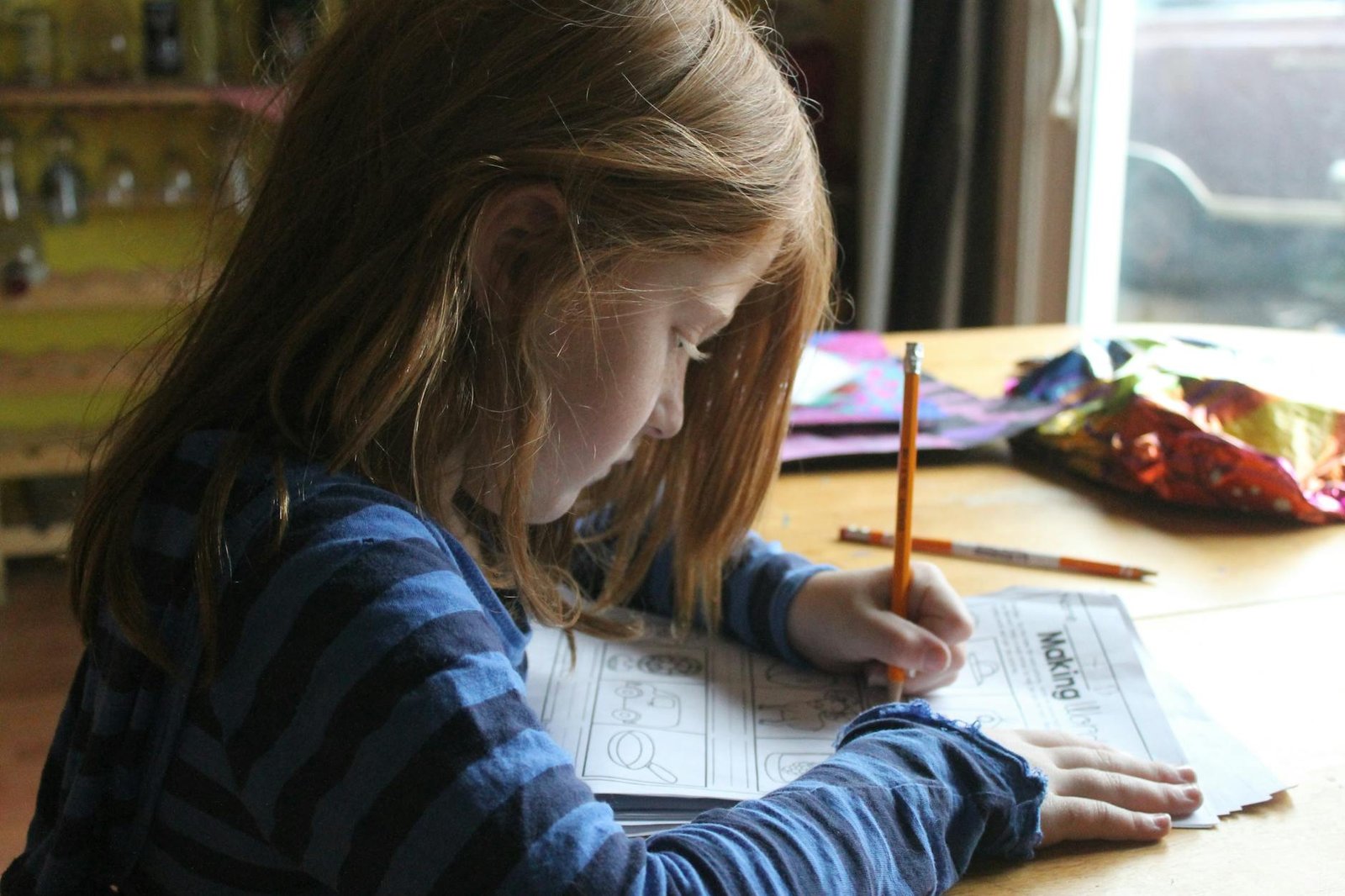
Homework has long been a cornerstone of the educational system, touted as a tool to reinforce classroom learning, foster discipline, and prepare students for the demands of adulthood. However, critics like Dylan Wiliam and Alfie Kohn challenge these assumptions, calling homework inefficient, jaded, and even harmful. With no compelling evidence supporting its benefits, particularly for younger students, the time has come to reexamine whether homework is truly serving students—or simply perpetuating outdated norms.
The Case Against Homework: Myths and Realities
No Academic Gains for Primary Students
Research led by educational scholars like John Hattie reveals a startling truth: homework offers no measurable academic benefit for primary school children. Hattie’s analysis shows it has an “effect of zero.” Despite this, young students are increasingly burdened with homework, leading to stress without tangible rewards.
Questionable Benefits for Older Students
Even at higher grade levels, the efficacy of homework remains ambiguous. Hattie found that a mere 5-10 minutes of targeted practice could yield the same results as 1-2 hours of extended assignments. Yet, long hours of homework persist, raising questions about its value and efficiency.
Homework and Inequality: Widening the Gap
Data from the OECD’s PISA survey highlights a troubling pattern: socioeconomically advantaged students spend more time on homework than their less privileged peers. Wealthier families often have greater access to resources—quiet study spaces, parental support, tutors, and technology—giving their children a distinct advantage. Homework, rather than leveling the playing field, exacerbates educational inequalities.
Beyond Academics: The Hidden Costs of Homework
Critics argue that homework isn’t just ineffective; it’s detrimental. According to Alfie Kohn’s The Homework Myth and Sara Bennett and Nancy Kalish’s The Case Against Homework, the practice can harm children’s mental and physical well-being:
- Mental Health Struggles: The pressure of nightly homework battles leads to stress, anxiety, and even depression in children.
- Reduced Family Time: Homework eats into time that could be spent bonding with family or engaging in unstructured play.
- Sedentary Lifestyles: Hours spent on assignments contribute to inactivity, raising concerns about childhood obesity.
Why Does Homework Persist?
Despite overwhelming evidence against it, homework continues to dominate education. Kohn attributes this persistence to:
- Cultural Beliefs: Societies often equate rigor with excellence, viewing more homework as a sign of a serious education.
- Historical Pressures: Homework gained traction during moments of national competitiveness, such as the Space Race.
- Standardized Test Culture: Schools increasingly prioritize test scores, using homework as a crutch to cover extensive curricula.
The Path Forward: Rethinking Homework
If homework does more harm than good, what should schools do instead? Alfie Kohn advocates for a default no-homework policy. Homework should only be assigned when:
- It clearly demonstrates educational value.
- It fosters curiosity or family engagement.
- It promotes meaningful, lifelong learning.
Instead of focusing on quantity, educators should prioritize quality, encouraging practices like:
- Brief, targeted reviews of class material.
- Independent reading for pleasure.
- Creative, project-based learning that sparks curiosity.
Conclusion: A Call for Change
Homework, in its current form, is a relic of an era that equated more work with better outcomes. The evidence shows this is no longer true—if it ever was. By challenging the homework myth, schools can embrace modern, evidence-based practices that prioritize student well-being and equity. Let’s shift the focus from busywork to fostering curiosity, creativity, and a genuine love for learning.