Skip to content

Learning-Science Digest

Fringe of Human Learning Technology and Emergence

Categories

  • 4E Cognition
  • Ability grouping
  • Accelerated learning
  • Acting/ Role play
  • Active learning
  • Active/ Action learning
  • Activities
  • Adaptive Learning
  • Administration & Leadership
  • Affordances
  • After-School Programs
  • Agency/ Autonomy
  • Analogy & Analogy based Learning
  • Anchored Instruction
  • Andragogy
  • Anthropology/ Ethnographic learning
  • Apprenticeship
  • Approaches
  • Apps
  • Artificial Intelligence
  • Assessment
  • Asynchronous Learning
  • Attitude
  • Banking model
  • Behavior Design
  • Behavioural
  • Belonging
  • Biology
  • Blended, Flipped, etc
  • books
  • Brain
  • Bricolage
  • Catholic Education
  • Causation
  • Coaching
  • Cognitive Diversity
  • Cognitive Load
  • Cognitive Science
  • Collaborative learning
  • Communities of practice
  • Competency-Based Learning
  • Complexity Theory
  • Compliance Training
  • Computational Learning
  • Computer Based Math
  • Concept Differences
  • Concept similarity
  • Connected Learning
  • Connectivism
  • Constraints
  • Constraints-Led Approach
  • Constructionism
  • Constructivism
  • Contextualized Learning
  • Contrast and Polarity
  • Courses
  • Creativity/ Innovation
  • Critical articles
  • Critical Pedagogy
  • Critical Thinking
  • Cultural Intelligence
  • Cultural Learning
  • Cumulative culture
  • Curriculum
  • Curriculum Design
  • Deliberate Practice
  • Design Science/ Approaches
  • Desirable Difficulty
  • Dialogic Learning
  • Differential learning
  • Digital Learning
  • Direct Instruction/ KLC
  • Disability and Learning
  • Discovery Learning
  • Discussion/ Debate
  • Disposition/Propensity
  • Distributed Cognition/ Learning
  • DIY learning/ Edupunk
  • Dynamics and learning
  • Early Intervention
  • Ecological Approch
  • Ecological Dynamics
  • Ed-tech
  • Education
  • Education Models
  • Education Policy
  • Education Thinkers
  • Effectuation
  • Elaboration
  • Embedded Cognition
  • Embodied Cognition
  • Emergence
  • Emergency learning
  • Emerging technology
  • Emulative learning
  • Enactive learning
  • Enskilment
  • Entangled pedagogy
  • Entrepreneurial Learning
  • Ethics and Moral learning
  • Evaluation
  • Evidence
  • Evolution and Learning
  • Exams
  • Exaptation
  • Exercise
  • Experiential Learning
  • Expertise
  • Explicit instruction
  • Extended Cognition
  • Family/ Religion
  • Feedback
  • Frameworks
  • Future Of Learning
  • Games/ Gamification
  • Generation Effect
  • Generative AI
  • Genius
  • Geragogy
  • Grading
  • Happiness and learning
  • Heuristics
  • Heutagogy
  • Higher Education
  • History Of Education
  • Home Slider
  • Home/ Home Schooling/ Learning
  • Homework
  • Human Machine Interface
  • Humor
  • Hypercorrection
  • Improvisation
  • Informal Learning
  • Innovation
  • Inquiry
  • Instructional Design
  • Instrumentalism
  • Intelligence
  • Interviews
  • Job training
  • Knowledge Rich Curriculum
  • Knowledge: Types. etc.
  • Labelling
  • Language Learning
  • Law and Legal Learning
  • Learning and Development
  • Learning Difficulties
  • Learning Environments
  • Learning for life
  • Learning in Chaos
  • Learning in complexity
  • Learning Management System
  • Learning Myths
  • Learning Programming
  • Learning Science
  • Learning Stations
  • Learning Systems
  • Learning Techniques/Methods
  • Learning Thinkers
  • Learning under anxiety/pressure/stress
  • Learning/ Teaching Strategies
  • Learning/ Understanding By Design
  • Looping effect
  • Maker Learning
  • Mastery
  • Mathew Effect
  • Maths Learning
  • Measurement
  • Medical Education/Learning
  • Memory
  • Meta-Analysis
  • Meta-Cognition
  • mindset
  • Mnemonics
  • Montessori
  • Motivation
  • Motor Learning
  • Music/ Arts and Learning
  • Mystagogy
  • Needs and Need based Learning
  • Networked Learning
  • Networks and Ecosystem
  • Neurodivergence
  • Neuroscience
  • Non Computational
  • Non-Representational
  • Nonlinear Pedagogy
  • Novelty and learning
  • Observational learning
  • On-the-Job Training
  • Online and MOOC Learning
  • outdoor-education
  • Pedagogy
  • Peer Learning
  • Personalized Learning
  • Philosophy Of Education
  • Philosophy Of Learning
  • Philosophy Of Science
  • Place-Based Learning
  • Play/ Ludic Pedagogy
  • Policy
  • Pragmatism
  • Problem-based learning
  • Productive Failures
  • Professional education
  • Professional Learning
  • Progressive Education
  • Project Based Learning
  • Proximity and Learning
  • Psychological Issues
  • Question asking/ Question design
  • Reading , Literacy , etc
  • Recognition
  • Reification/ Reductionism
  • Relational Expertise
  • Relational Learning
  • Religion
  • Research
  • Resting/ offline consolidation
  • Retrieval
  • Salience/Closeness
  • Scaffolding
  • Science Of Learning
  • self-efficacy
  • Self-Organization
  • Self-Paced Learning
  • Self-Regulated/ Self-Directed
  • Service Learning
  • Short Concept Introduction
  • Signalling
  • Simulation or Simulative Learning
  • Situated Learning
  • Skill
  • Sleep and Rest
  • Social Effects
  • Social Learning
  • Social-emotional learning
  • Society-Ecosystem etc
  • Socioeconomic Factors
  • Sociology Of Learning
  • Software And Technology Review
  • Speaking/Public Speaking
  • Spiral design
  • Sports learning
  • Sports Science
  • Story/Narrative based learning
  • Studying
  • Teacher/ teaching
  • Testing
  • Theology and learning
  • Theories
  • Tools, Aids, Artifacts
  • Training
  • Training Needs Analysis
  • Transdisciplinary/ Interdisciplinary, etc
  • Transfer Of Learning
  • Trending News
  • Uncategorized
  • Uncertainty and learning
  • Variable Practice
  • Vicarious learning
  • Video playlist
  • Virtual, Augmented, etc
  • Visible Learning/ Hattie
  • Visual Learning/Drawing
  • Vocational Education
  • Wakeful Resting
  • Work Place Learning
  • Workshop Model
  • Zone of Proximal Development (ZPD)
Primary Menu
  • Home
  • About
  • Thinkers
    • Learning Thinkers
    • Education Thinkers
  • Design For Learning
    • Design Science/ Approaches
    • Instructional Design
    • Behavior Design
    • Curriculum Design
    • Learning/ Understanding By Design
    • Motivation
    • Ecological Approch
    • Blended, Flipped, etc
    • Games/ Gamification
  • Tools/Techniques/Methods
    • Learning Techniques/Methods
    • Education Models
    • Testing
    • Retrieval
    • Blended, Flipped, etc
    • Differential learning
    • Dialogic Learning
    • Computer Based Math
    • Tools, Aids, Artifacts
    • Knowledge Rich Curriculum
    • Cognitive Load
    • Online and MOOC Learning
    • Scaffolding
    • Contrast and Polarity
    • Play/ Ludic Pedagogy
    • Problem-based learning
    • Cultural Learning
    • Direct Instruction/ KLC
    • Deliberate Practice
    • Visual Learning/Drawing
    • Games/ Gamification
    • Acting/ Role play
    • Analogy & Analogy based Learning
    • Inquiry
    • Improvisation
    • Constructionism
    • Situated Learning
    • Productive Failures
    • Anthropology/ Ethnographic learning
    • Project Based Learning
    • Connected Learning
    • Nonlinear Pedagogy
    • Personalized Learning
    • Maker Learning
    • Virtual, Augmented, etc
    • Service Learning
    • Constructivism
    • Connectivism
    • Vicarious learning
    • Active/ Action learning
    • Computational Learning
    • Relational Learning
    • Apprenticeship
    • Communities of practice
    • Home/ Home Schooling/ Learning
    • Contextualized Learning
    • DIY learning/ Edupunk
    • Constraints-Led Approach
    • Peer Learning
  • Domains
    • Language Learning
    • Entrepreneurial Learning
    • Maths Learning
    • Sports Science
    • Theology and learning
    • Sports learning
    • Professional education
    • Law and Legal Learning
    • Catholic Education
    • Higher Education
    • Medical Education/Learning
    • Work Place Learning
    • Learning Programming
    • On-the-Job Training
    • Job training
    • Compliance Training
  • Approaches
    • Neuroscience
    • Social Learning
    • Ecological Approch
    • 4E Cognition
    • Active learning
    • Transfer Of Learning
    • Cumulative culture
    • Embodied Cognition
    • Evolution and Learning
    • Embedded Cognition
    • Differential learning
    • Dialogic Learning
    • Experiential Learning
    • Learning Environments
    • Cultural Intelligence
    • Enactive learning
    • Constraints-Led Approach
    • Non-Representational
    • Self-Organization
    • Relational Learning
    • Relational Expertise
    • Enskilment
    • Extended Cognition
    • Distributed Cognition/ Learning
  • Artificial Intelligence
  • Education Policy
  • Expertise
Subscribe or Login
  • Home
  • Social Effects
  • The Galatea Effect and Its Influence on Learning: How Expectations Shape Educational Success
  • Social Effects
  • Social-emotional learning
  • Sociology Of Learning

The Galatea Effect and Its Influence on Learning: How Expectations Shape Educational Success

kiran Johny October 29, 2024
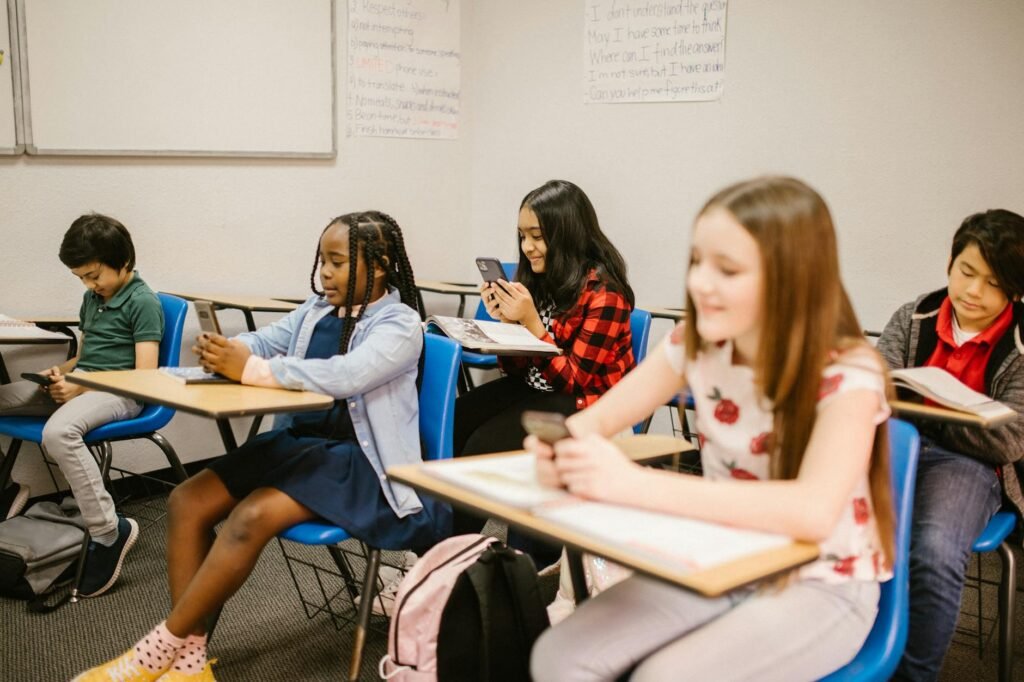
students sitting inside the classroom while using their smartphone

Photo by RDNE Stock project on <a href="https://www.pexels.com/photo/students-sitting-inside-the-classroom-while-using-their-smartphone-6936137/" rel="nofollow">Pexels.com</a>

In the realm of education, expectations play a pivotal role in shaping the outcomes of students’ academic journeys. One psychological phenomenon that underscores the impact of expectations is the Galatea Effect. This effect, often viewed in contrast to the more commonly known Pygmalion Effect, highlights how an individual’s belief in their own ability can significantly influence their performance and success. In the context of learning, understanding the Galatea Effect can offer valuable insights into fostering an environment where students thrive based on the belief in their own potential.

What is the Galatea Effect?

The Galatea Effect refers to the phenomenon where a person’s self-expectations or self-fulfilling prophecies lead to their success or failure. It is grounded in the concept that when individuals believe in their abilities, they are more likely to take on challenges, work harder, and ultimately achieve the outcomes they anticipate for themselves. The name derives from the myth of Pygmalion, a sculptor who fell in love with his own creation, and Galatea, the statue brought to life by his love. In contrast, the Galatea Effect is about the “self” making something of themselves through self-belief.

While the Pygmalion Effect revolves around the expectations placed on others, the Galatea Effect centers on the internal dialogue and self-imposed expectations that an individual holds. When learners cultivate positive beliefs about their abilities, they are more likely to succeed, as they invest more effort and embrace challenges with confidence.

How Does the Galatea Effect Influence Learning?

1. Boosting Self-Confidence

Self-belief can drastically affect a learner’s confidence. Students who are confident in their capabilities are more likely to engage with challenging material, persevere through setbacks, and apply themselves in ways that will eventually yield success. This is especially important in academic environments, where students may face a variety of challenges, such as complex subject matter or personal doubts. Positive self-expectations create a mindset of resilience, fostering a proactive approach to learning.

2. Fostering a Growth Mindset

The concept of the Galatea Effect aligns with Carol Dweck’s idea of the growth mindset. Students who believe that their abilities can improve through effort, perseverance, and learning from mistakes are more likely to embrace challenges rather than shy away from them. A growth mindset encourages students to see failure not as an end but as a learning opportunity, contributing to a cycle of continuous improvement. This mindset is essential in overcoming the cognitive barriers that may hinder success in learning.

3. Motivation and Goal Setting

The Galatea Effect can also increase intrinsic motivation, which is key to achieving long-term learning goals. When students set high expectations for themselves, they are more likely to develop personal goals that align with their academic aspirations. These goals then drive behavior, resulting in increased effort, focus, and determination to achieve them. Having clear, self-formed expectations also means that students are more likely to monitor their progress and adjust strategies if necessary.

4. Empowering Learners to Take Ownership of Their Learning

Self-expectations encourage students to take ownership of their educational journey. When learners believe in their own potential, they are more likely to actively seek out opportunities to improve, whether by asking questions, seeking feedback, or engaging in extracurricular learning experiences. The Galatea Effect empowers students to become self-directed learners, instilling in them a sense of agency and control over their educational outcomes.

How Can Educators Foster the Galatea Effect?

While the Galatea Effect is rooted in the self-belief of the student, educators can play a crucial role in creating an environment that supports and nurtures this effect. Here are a few strategies that educators can adopt to foster self-expectations in their students:

1. Promote Positive Reinforcement

Encouragement and recognition of students’ progress can go a long way in boosting their self-confidence. By providing constructive feedback that emphasizes effort and progress, rather than solely focusing on outcomes, educators can help students internalize the belief that their abilities can grow with effort.

2. Cultivate a Growth-Oriented Classroom Culture

Encouraging a growth mindset in the classroom is essential for the Galatea Effect to thrive. Educators should emphasize that intelligence and abilities are not fixed traits but can be developed over time. This can be done through language, praise for effort, and framing mistakes as learning opportunities.

3. Set High, Yet Achievable Expectations

Educators should set challenging yet realistic expectations for students, providing a clear vision of what success looks like while offering the necessary support to help students meet those expectations. When students feel that their goals are within reach, their belief in their ability to achieve them will strengthen.

4. Model Self-Belief and Perseverance

Teachers can lead by example. When students see their educators demonstrating self-belief and persistence in overcoming challenges, it reinforces the idea that effort and self-confidence are crucial to success. This modeling helps to internalize the values of perseverance and positive self-expectations.

Conclusion

The Galatea Effect is a powerful reminder that the expectations we set for ourselves can be just as influential as those placed upon us. In the educational context, fostering an environment that encourages self-belief and high expectations can significantly enhance students’ learning experiences. By promoting a culture of confidence, growth, and ownership over one’s learning, we can help students unlock their full potential and achieve academic success. The key is to create a space where students believe that they can, and will, succeed through their own efforts and self-expectations.

Continue Reading

Previous: 10 Insights by Jean-François Lyotard on Learning and Education in the Postmodern Era
Next: Mastering the Art of Note-Taking: A Key to Active Learning

Categories

Archives

  • September 2025
  • July 2025
  • June 2025
  • May 2025
  • April 2025
  • March 2025
  • February 2025
  • January 2025
  • December 2024
  • November 2024
  • October 2024
  • September 2024
  • August 2024
  • July 2024
  • June 2024
  • May 2024
  • April 2024
  • March 2024
  • February 2024
  • January 2024
  • December 2023
  • November 2023
  • October 2023
  • September 2023
  • August 2023
  • July 2023
  • June 2023
  • May 2023
  • April 2023
  • March 2023
  • February 2023
  • January 2023
  • December 2022
  • November 2022
  • October 2022
  • September 2022
  • August 2022
  • July 2022
  • June 2022
  • May 2022
  • April 2022
  • March 2022
  • February 2022
  • January 2022
  • December 2021
  • November 2021
  • October 2021
  • September 2021
  • August 2021
  • July 2021
  • June 2021
  • May 2021
Copy Right © 2025–2026 Learning Science Digest (lsdigest.com). All rights reserved.

Copyright © 2025-2026 LsDigest.com

Copyright © 2025-2026 LsDigest.com | MoreNews by AF themes.