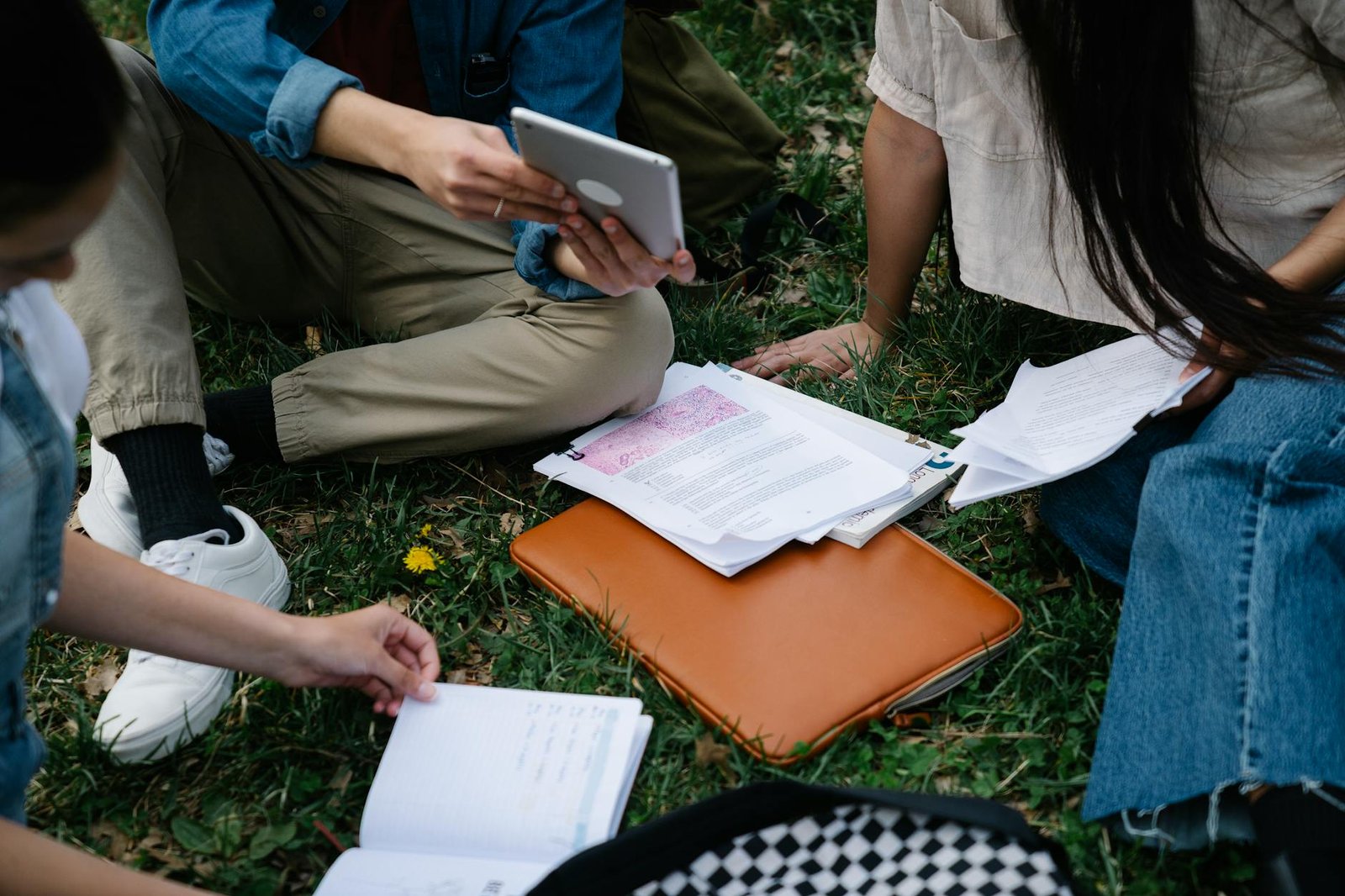
In an ever-evolving world, where knowledge and skills are paramount, how we learn plays a pivotal role in shaping our abilities and perspectives. Social learning, a concept rooted in the interplay between observation, imitation, and collaboration, offers a powerful framework for understanding and enhancing how we acquire knowledge in social contexts.
What Is Social Learning?
At its core, social learning emphasizes that we learn not just through direct experience but also by observing others. Pioneered by psychologist Albert Bandura, the theory suggests that behaviors, attitudes, and even emotional responses can be acquired by watching others, a process often referred to as observational learning.
This type of learning is not confined to formal education; it permeates every facet of life. From childhood, where we mimic our parents and peers, to the workplace, where we learn from colleagues and mentors, social learning shapes who we are and how we interact with the world.
Key Components of Social Learning
- Observation: Watching others perform a task or exhibit a behavior provides a blueprint for action. For example, children learn language and social norms by observing their parents and peers.
- Imitation: After observing, individuals replicate the behavior they’ve seen, fine-tuning it based on feedback and context. Imitation serves as the bridge between learning and action.
- Collaboration: Working with others fosters an exchange of ideas and insights. Group projects, peer discussions, and mentorship are all examples of collaborative learning environments where individuals learn together and from one another.
- Feedback: Social learning thrives on feedback. Whether it’s verbal encouragement, constructive criticism, or nonverbal cues, feedback helps learners adjust and improve their understanding or performance.
Benefits of Social Learning
Social learning offers numerous advantages that make it a cornerstone of personal and professional development:
- Enhanced Retention: Observing and practicing within social contexts helps embed knowledge more deeply compared to isolated learning.
- Skill Development: Real-world scenarios and collaborative tasks allow for practical skill-building.
- Increased Engagement: Learning alongside others fosters motivation and enthusiasm.
- Cultural and Emotional Growth: By interacting with diverse groups, learners develop empathy, cultural awareness, and emotional intelligence.
Applying Social Learning in Everyday Life
- Leverage Technology: Platforms like YouTube, LinkedIn Learning, and online forums offer ample opportunities for observational learning.
- Engage in Communities: Joining clubs, professional groups, or online communities provides a collaborative space for sharing knowledge and experiences.
- Embrace Mentorship: Learning from mentors who share their expertise and experiences can accelerate personal growth.
- Foster a Collaborative Culture: In workplaces, creating environments that encourage teamwork, peer-to-peer learning, and open communication can amplify organizational success.
Final Thoughts
Social learning is a dynamic and inclusive approach to acquiring knowledge and skills. By observing, imitating, and collaborating with others, we unlock opportunities for growth and innovation. In a world where connectivity is key, embracing social learning not only enriches individual lives but also strengthens communities and organizations.