In a world characterized by rapid change and increasing complexity, the ways we learn must evolve to keep pace. Traditional methods of education—centered on lectures, rote memorization, and standardized testing—are proving insufficient for equipping learners with the skills needed to thrive in dynamic environments. Enter simulation or simulative learning, an innovative approach that combines experiential education with advanced technology to create immersive, interactive learning experiences.
What is Simulation Learning?
Simulation learning involves creating realistic scenarios in controlled environments to enable learners to practice skills, solve problems, and make decisions in a risk-free setting. It bridges the gap between theoretical knowledge and practical application by offering hands-on experiences that mirror real-world challenges. From flight simulators for aspiring pilots to medical simulations for surgeons, the potential applications are vast and varied.
Why Simulative Learning Matters
- Learning by Doing: Unlike traditional instruction, which often remains abstract, simulative learning emphasizes active participation. Learners gain deeper understanding and retention by engaging directly with tasks.
- Safe Failure: One of the most significant benefits of simulations is that they allow learners to fail safely. Mistakes become opportunities for reflection and growth rather than costly errors.
- Complexity and Decision-Making: Simulations can replicate the complexities of real-world scenarios, teaching participants how to navigate uncertainty, assess risks, and make informed decisions.
- Feedback and Iteration: Immediate feedback is a hallmark of effective simulation learning. Learners can identify weaknesses, refine their strategies, and try again in a continuous loop of improvement.
- Engagement and Motivation: Interactive, immersive environments are inherently more engaging than passive lectures. Gamified elements can further enhance motivation and enjoyment.
Applications of Simulation Learning
1. Healthcare: Medical training often uses high-fidelity simulations, where students practice procedures on realistic mannequins or in virtual reality (VR) settings. This hands-on experience enhances confidence and competence before interacting with real patients.
2. Aviation and Military: Flight simulators and combat training programs have long been staples of aviation and military education, allowing trainees to practice under conditions that closely mimic reality without the associated risks.
3. Business and Leadership: Organizations use business simulations to train leaders in decision-making, crisis management, and strategic planning, fostering resilience and adaptability in high-pressure environments.
4. Education: Classroom teachers leverage simulations to teach abstract concepts in science, history, and social studies, bringing subjects to life in ways textbooks cannot.
5. Entrepreneurship: Entrepreneurs use simulations to test business models, explore market dynamics, and experiment with strategic decisions without risking real investments.
The Role of Technology in Simulative Learning
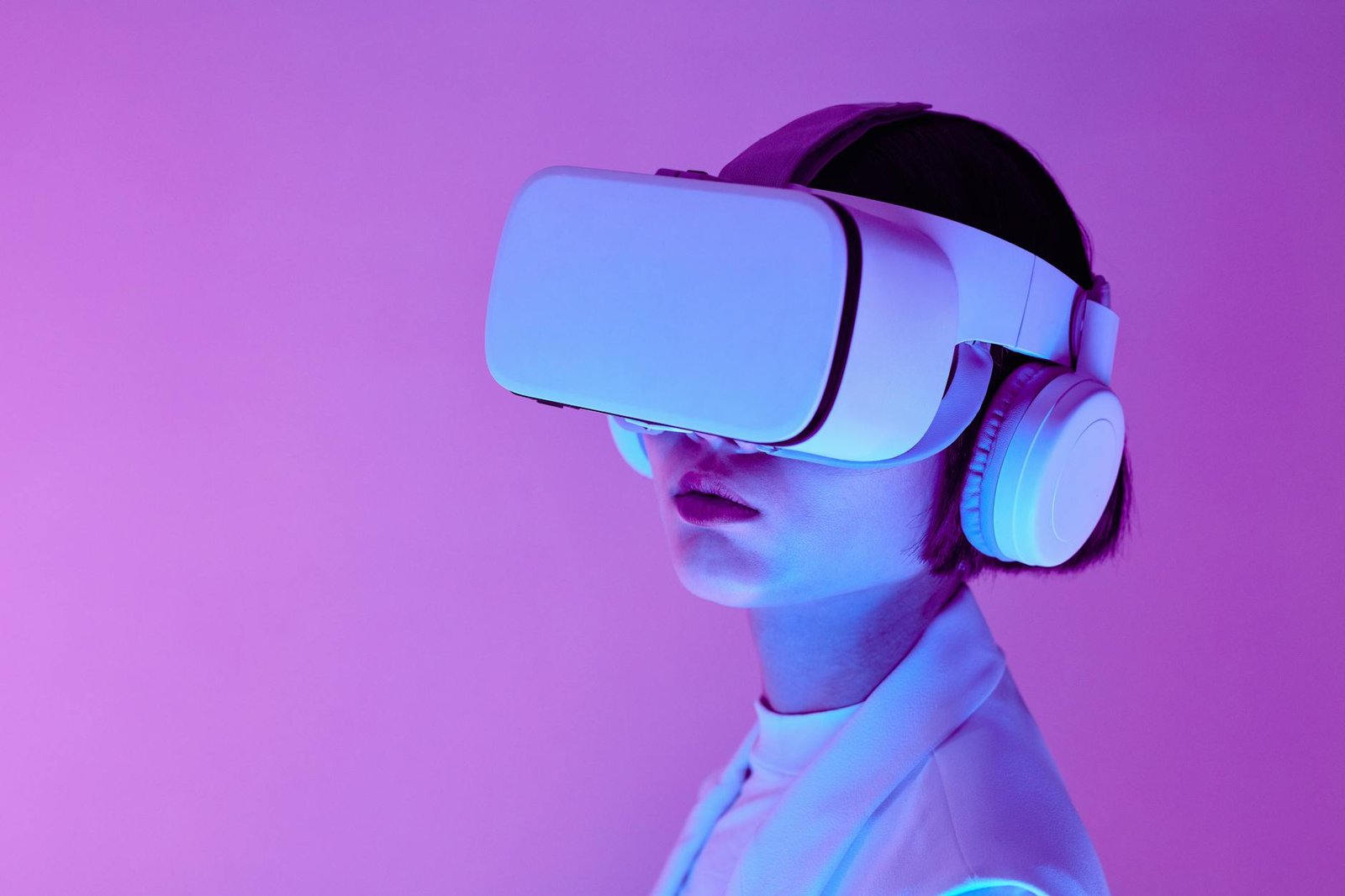
Advances in technology are making simulation learning more accessible and effective than ever. Virtual reality (VR), augmented reality (AR), and artificial intelligence (AI) are transforming how we create and deliver simulations:
- VR and AR: Immersive environments allow learners to engage their senses fully, providing a more realistic and memorable experience.
- AI: Adaptive simulations can tailor challenges to individual skill levels, ensuring that learners remain engaged and appropriately challenged.
- Gamification: Integrating game mechanics into simulations makes learning enjoyable and increases learner motivation.
Challenges and Considerations
While simulation learning offers numerous benefits, it is not without challenges. Developing high-quality simulations can be resource-intensive, requiring significant time, expertise, and investment. Additionally, educators must ensure that simulations align with learning objectives and provide meaningful feedback.
Another consideration is accessibility. As technology plays a central role in simulation learning, efforts must be made to ensure that these tools are available to all learners, regardless of socioeconomic background.
The Future of Learning
Simulation learning represents a paradigm shift in education and training. By prioritizing experiential, interactive, and reflective learning, it equips individuals to handle the complexities of modern life and work. As technology continues to advance, the scope and impact of simulative learning are poised to grow, offering exciting opportunities to rethink how we learn, teach, and grow.
In embracing simulative learning, we are not just adopting a new tool but fostering a culture of exploration, innovation, and continuous improvement. It’s not just about acquiring knowledge but developing the skills, mindset, and resilience needed to navigate an ever-changing world.
Final Thoughts
As we move toward a future defined by complexity and change, the question isn’t whether to adopt simulation learning but how to integrate it effectively across various fields and contexts. By doing so, we unlock the potential of learners to become adaptive, skilled, and innovative contributors to society.
Whether you’re an educator, a professional, or a lifelong learner, simulation learning offers a powerful pathway to growth and mastery. The journey begins by stepping into the simulation and embracing the opportunity to learn by doing.