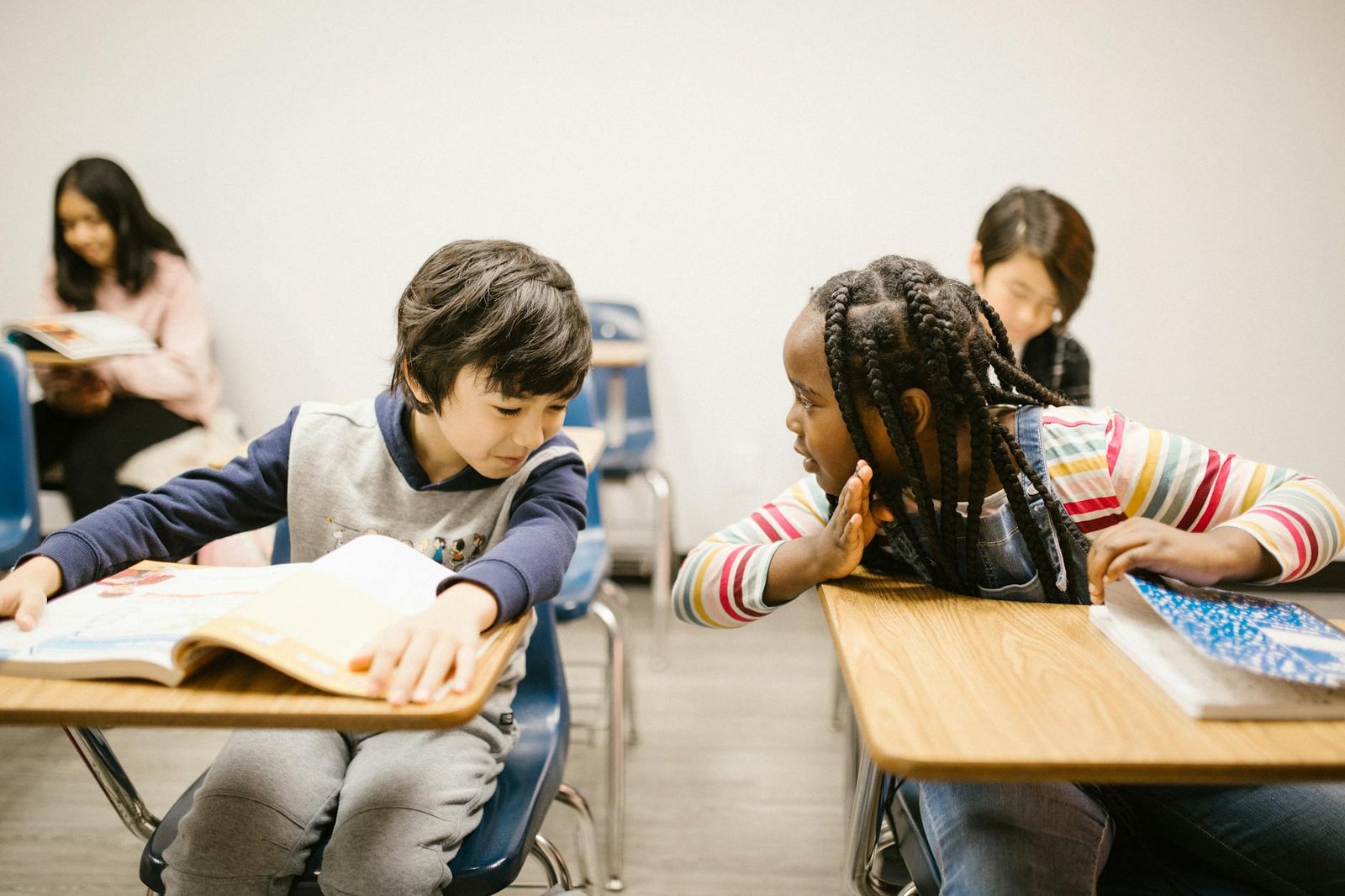
The traditional classroom setup, with a teacher lecturing at the front while students passively absorb information, has been the norm for decades. However, the “flipped classroom” model is transforming this approach, placing active learning and student engagement at the heart of education.
What is a Flipped Classroom?
At its core, the flipped classroom reverses the conventional teaching sequence. Instead of introducing new content in the classroom, students first explore it independently at home, often through videos, readings, or other digital resources. Classroom time is then repurposed for collaborative, hands-on activities, discussions, and problem-solving exercises, guided by the teacher.
How Does It Work?
- Pre-Class Preparation: Teachers provide students with instructional materials such as pre-recorded lectures, articles, or interactive online modules. These resources allow students to learn the foundational content at their own pace.
- In-Class Activities: Classroom sessions focus on applying the knowledge gained during pre-class preparation. This can include group projects, debates, experiments, or in-depth discussions. Teachers act as facilitators, offering personalized guidance and addressing misconceptions.
- Continuous Feedback: The flipped model encourages ongoing assessment through quizzes, peer feedback, and teacher interventions, ensuring that students remain engaged and understand the material.
Benefits of the Flipped Classroom
- Active Learning: Students engage deeply with the material by applying concepts during class, promoting critical thinking and problem-solving skills.
- Paced Learning: Watching videos or reading at home allows students to learn at a speed that suits them, pausing or revisiting content as needed.
- Enhanced Classroom Interaction: With less time spent on lectures, teachers can focus on individual students’ needs, fostering a more inclusive and supportive learning environment.
- Skill Development: Collaborative in-class activities help develop teamwork, communication, and leadership skills.
Challenges and Solutions
While the flipped classroom offers many advantages, it’s not without challenges:
- Access to Technology: Not all students have reliable internet or devices at home. Schools can address this by providing resources or offering offline alternatives.
- Student Accountability: Some students may skip the pre-class preparation. Clear expectations and incentives, like short quizzes, can encourage participation.
- Teacher Training: Educators need training to create engaging content and manage active classrooms effectively. Professional development programs can bridge this gap.
Real-World Applications
Flipped classrooms have been successfully implemented across various educational levels, from primary schools to universities. For instance, in STEM (Science, Technology, Engineering, and Mathematics) education, students can review complex theories at home and use class time for experiments and problem-solving. Similarly, in language learning, pre-class videos can introduce vocabulary, freeing up classroom time for speaking practice and cultural discussions.
The Future of Learning
The flipped classroom model aligns with the evolving needs of 21st-century education, emphasizing skills like adaptability, collaboration, and critical thinking. By shifting the focus from passive absorption to active engagement, this approach prepares students for the complexities of the modern world.
As technology continues to advance and educational paradigms shift, the flipped classroom stands out as a promising strategy for fostering deeper learning and empowering students to take charge of their educational journey.