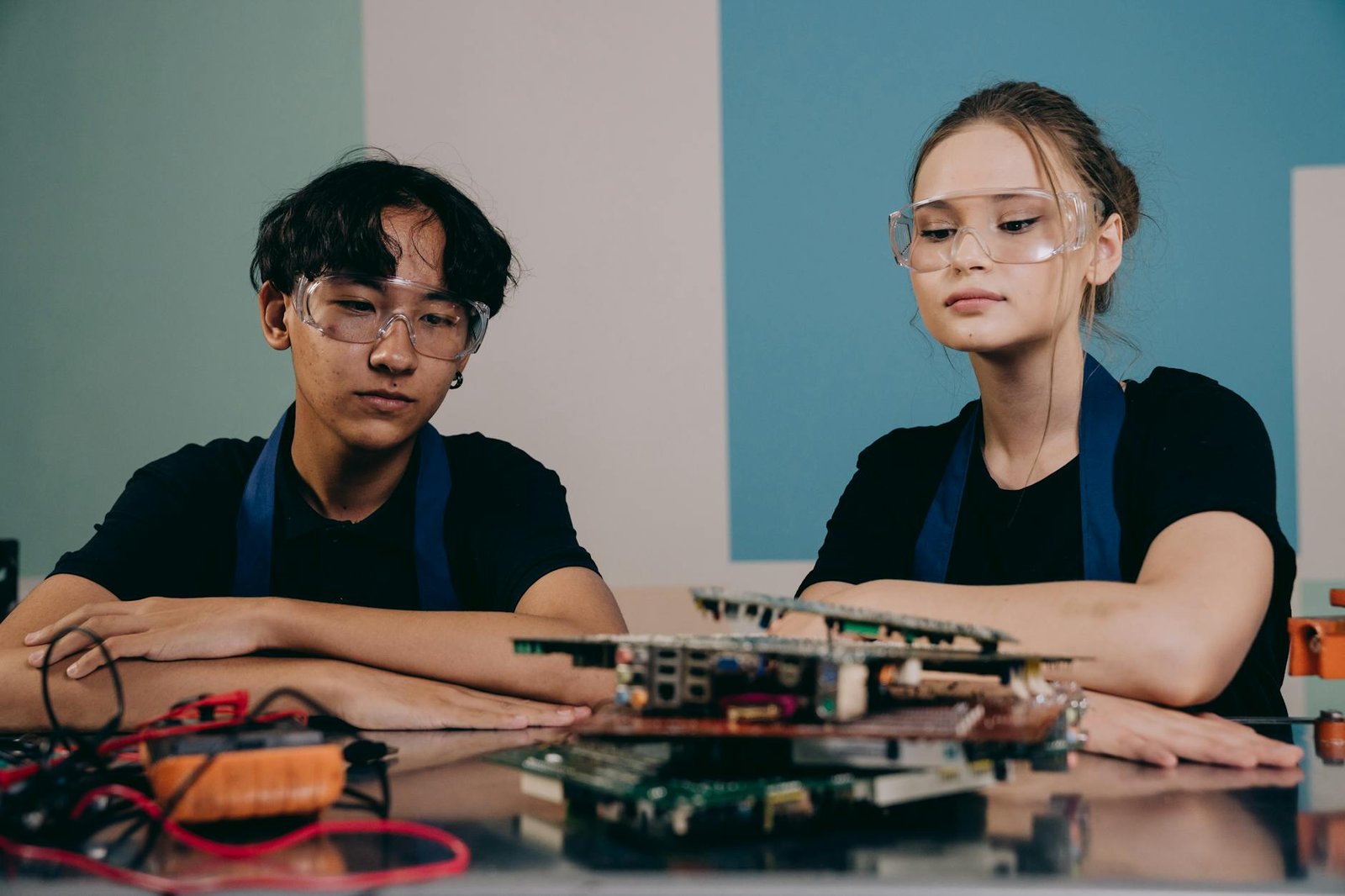
In a world that’s constantly evolving, education must evolve too. Traditional methods of rote learning and standardized testing often fail to equip students with the skills they need to thrive in complex, dynamic environments. Enter Project-Based Learning (PBL), a transformative educational approach that places real-world problem-solving at the center of the learning experience.
What is Project-Based Learning?
Project-Based Learning is a teaching methodology where students engage in extended, in-depth projects to explore and address authentic, real-world challenges. Instead of passively absorbing information, students actively apply knowledge and skills to create meaningful solutions. These projects often span several weeks or months, requiring students to research, collaborate, and innovate.
Core Elements of PBL
- Real-World Relevance: Projects are rooted in real-world issues, making learning more engaging and meaningful.
- Inquiry and Innovation: Students ask questions, conduct research, and develop creative solutions.
- Collaboration: Teamwork is essential, mirroring the collaborative nature of modern workplaces.
- Critical Thinking: PBL challenges students to analyze problems, evaluate solutions, and make informed decisions.
- Reflection: Students reflect on their learning journey, gaining insights into their progress and areas for improvement.
Benefits of Project-Based Learning
- Development of 21st-Century Skills: PBL fosters critical thinking, collaboration, communication, and creativity—skills essential for success in the 21st century.
- Increased Engagement: By tackling real-world problems, students find learning more relevant and motivating.
- Deeper Learning: Students gain a profound understanding of subjects as they apply theoretical knowledge to practical scenarios.
- Enhanced Retention: Engaging with material in a hands-on, meaningful way helps students retain knowledge longer.
- Preparation for Future Challenges: PBL mirrors the challenges students will face in their careers and communities, equipping them with the confidence to tackle them head-on.
Examples of PBL in Action
- Environmental Conservation: Students design and implement a local campaign to reduce plastic waste, combining science, communication, and social studies.
- Community Development: A class collaborates with local authorities to propose improvements to public spaces, integrating design thinking and civic engagement.
- STEM Innovation: Students develop prototypes for energy-efficient devices, applying principles from physics, engineering, and mathematics.
Challenges and Solutions
While PBL offers numerous benefits, it also presents challenges, such as:
- Time Management: Extended projects require careful planning and time allocation.
- Assessment Complexity: Evaluating multifaceted projects can be challenging but can be addressed through rubrics and peer reviews.
- Teacher Readiness: Effective PBL requires teachers to adapt to new roles as facilitators, which may necessitate professional development.
The Way Forward
To truly prepare students for the complexities of modern life, educators must embrace innovative approaches like Project-Based Learning. By empowering students to tackle real-world problems, PBL not only enhances academic achievement but also nurtures the skills and mindset needed for lifelong success.
In a rapidly changing world, education must be more than a transfer of knowledge—it must be a catalyst for transformation. Project-Based Learning is a step in the right direction, bridging the gap between classroom learning and real-world application.