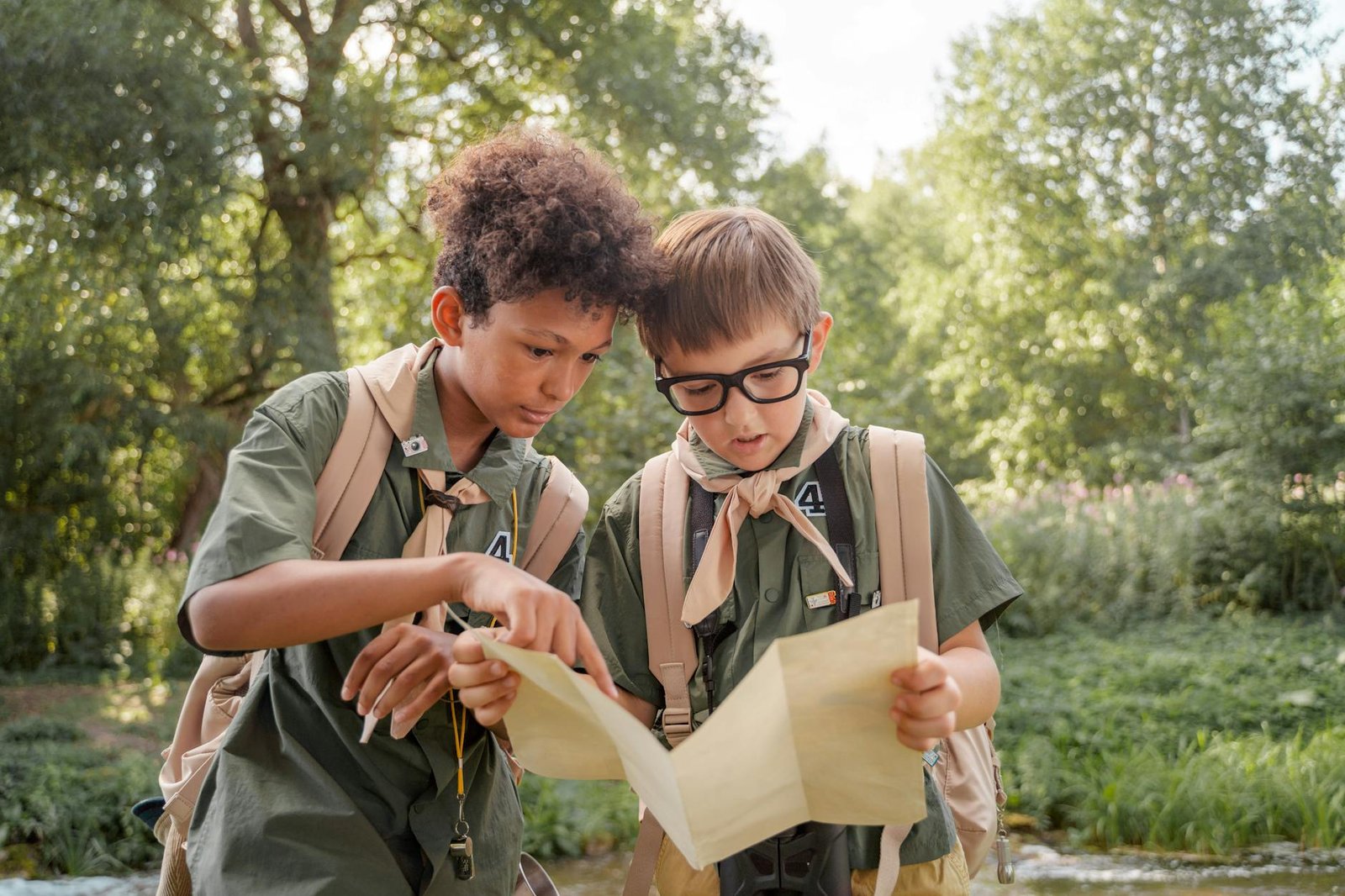
In an era dominated by technology and screens, outdoor education offers a refreshing and vital approach to learning. By taking education beyond the four walls of a classroom and into the great outdoors, students gain opportunities to explore, discover, and connect with the natural world in meaningful ways. This hands-on, experiential learning model not only enriches traditional curricula but also nurtures critical life skills and a sense of environmental stewardship.
What is Outdoor Education?
Outdoor education is a dynamic approach to teaching that uses nature and the environment as a living classroom. Whether it involves hiking through a forest, studying aquatic ecosystems in a local stream, or engaging in team-building activities on a climbing wall, outdoor education focuses on experiential learning. It’s about immersing learners in real-world scenarios where they can observe, question, and engage with their surroundings.
Why Outdoor Education Matters
1. Enhances Academic Learning
Nature provides a rich, multisensory environment that supports and enhances traditional academic subjects. Science concepts come to life as students examine plant life cycles, measure water quality, or observe animal behaviors. Mathematics becomes tangible when calculating the height of trees or plotting coordinates on a map. By integrating curriculum topics with outdoor activities, educators can make learning both engaging and memorable.
2. Fosters Personal Growth
Outdoor education often requires teamwork, problem-solving, and resilience. Navigating challenges like building a shelter, completing a hiking trail, or solving group tasks encourages students to develop communication and leadership skills. These experiences help build confidence and adaptability—qualities essential for success in life.
3. Promotes Physical and Mental Well-Being
Spending time outdoors has proven health benefits. Fresh air, sunlight, and physical activity contribute to better physical health, while the calming effects of nature can reduce stress and improve mental clarity. Studies show that outdoor learning can boost concentration, creativity, and overall happiness.
4. Cultivates Environmental Awareness
By experiencing nature firsthand, students develop a deeper appreciation for the environment. They learn about ecosystems, conservation, and sustainable practices, fostering a sense of responsibility to protect the planet. This connection to nature can inspire lifelong advocacy for environmental stewardship.
How to Incorporate Outdoor Education
Start Small
Outdoor education doesn’t require vast wilderness or elaborate planning. A school garden, nearby park, or even the schoolyard can serve as a starting point. Simple activities like observing weather patterns, planting seeds, or studying local wildlife can spark curiosity.
Partner with Local Organizations
Collaborating with nature centers, parks, or outdoor adventure programs can provide resources and expertise to enrich outdoor education experiences. Field trips, guided tours, and workshops led by professionals can deepen students’ understanding and engagement.
Integrate Across Subjects
Outdoor learning can seamlessly tie into various subjects. Science lessons can involve ecological studies, history classes can explore local landmarks, and art projects can draw inspiration from natural surroundings. This interdisciplinary approach maximizes the benefits of outdoor education.
Conclusion
Outdoor education is more than just a break from routine; it’s a transformative way to learn. By stepping outside the classroom, students gain valuable academic knowledge, develop essential life skills, and cultivate a profound connection to the environment. In the process, they grow as individuals and global citizens ready to tackle the challenges of the future.
So, let’s open the door and take learning outside—because the world is the ultimate classroom.