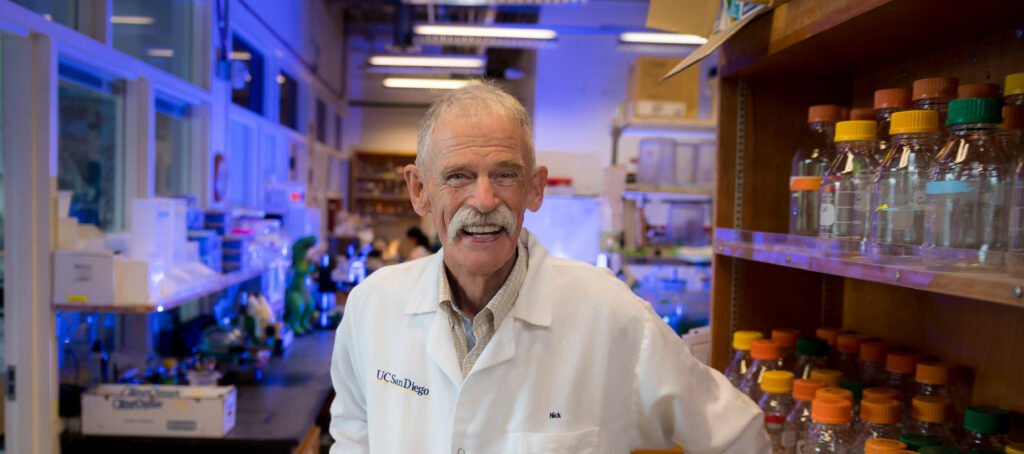
Groundbreaking research by neuroscientist Nick Spitzer has uncovered a fascinating process in the brain: neurotransmitter switching. Traditionally, scientists believed that neurons used a fixed set of neurotransmitters to communicate, but Spitzer’s work shows that this process is far more flexible. Neurons can actually change the neurotransmitters they release based on environmental stimuli and experiences, opening up exciting new possibilities for how we understand human learning.
This flexibility in neurotransmitter use is crucial for the brain’s ability to adapt to different experiences. For example, when mice engage in sustained physical activity like running on a wheel, their brain cells switch from releasing acetylcholine (an excitatory neurotransmitter) to GABA (an inhibitory neurotransmitter). This shift improves their motor coordination and ability to perform other tasks.
What does this mean for human learning? It suggests that our brains can adapt to new challenges by changing how they communicate at the chemical level. This has profound implications for education: By designing learning environments that engage the brain in different ways, we could potentially trigger neurotransmitter switching, improving cognitive flexibility and problem-solving skills.
Moreover, the discovery points to the possibility that skills learned in one area (like physical coordination or music) could enhance abilities in other areas, such as academic performance. By understanding how these biological processes work, educators can develop more dynamic and effective teaching methods that help students not only retain information but also build skills that transfer across disciplines.
In short, neurotransmitter switching represents a new frontier in understanding how our brains learn, adapt, and grow, providing valuable insights for both educational practices and cognitive development.