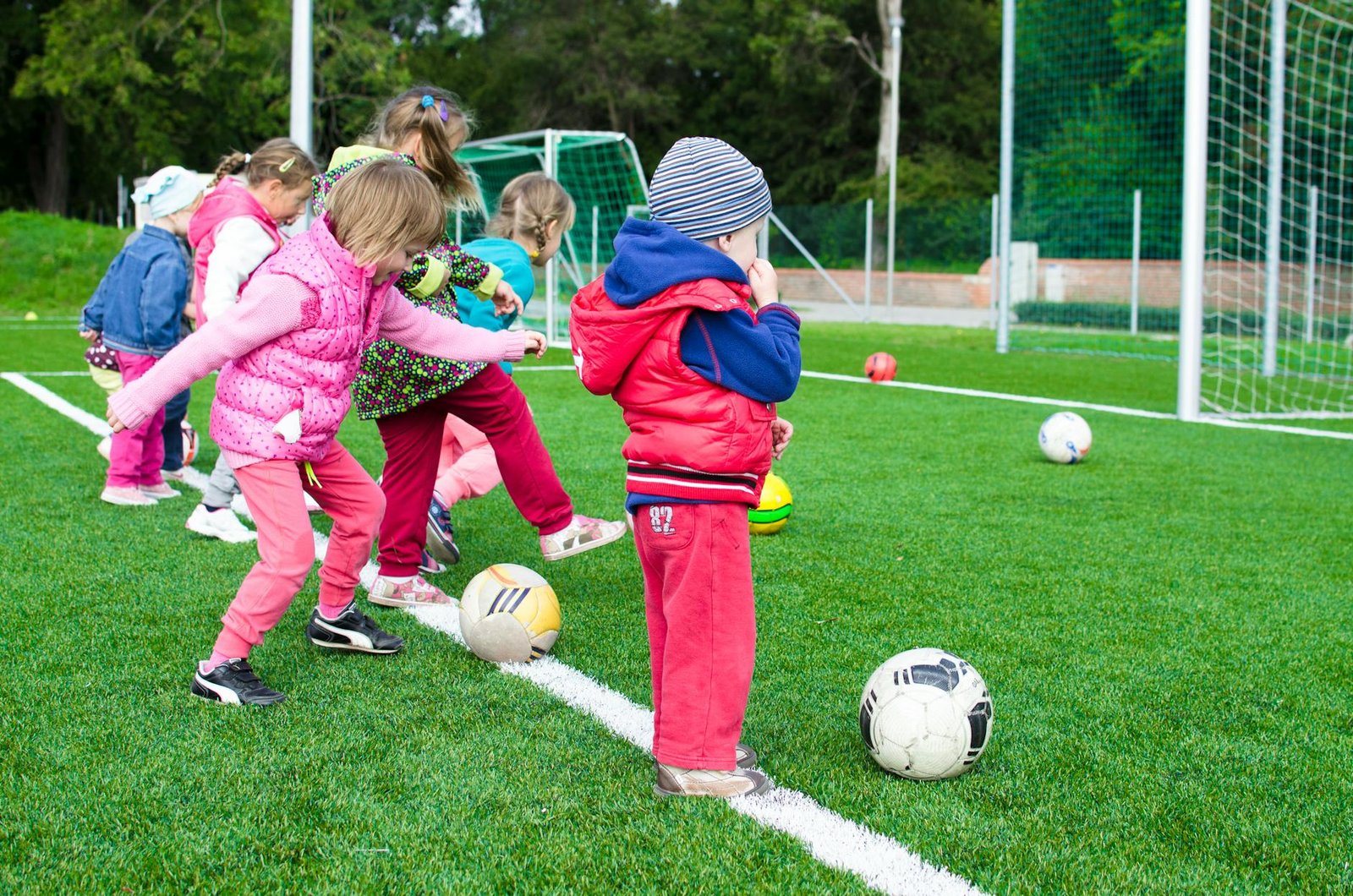
In a world that often equates learning with rigorous discipline and structured methodologies, the idea of integrating play into education offers a refreshing perspective. Play is more than mere recreation; it’s a powerful tool for fostering creativity, exploration, and problem-solving. By making learning enjoyable and engaging, play nurtures curiosity and deepens understanding in ways traditional methods may overlook.
The Science Behind Learning Through Play
Research consistently supports the idea that play stimulates brain development. Activities that involve exploration, imagination, and collaboration activate multiple areas of the brain, strengthening neural connections. These experiences not only enhance cognitive skills like memory and critical thinking but also improve emotional and social intelligence.
For example, when children build a tower with blocks, they’re not just stacking objects; they’re experimenting with concepts like balance, gravity, and spatial awareness. Similarly, role-playing games encourage empathy and communication as participants adopt various perspectives and negotiate roles within a storyline.
Why Play Matters in Education
Play transforms abstract concepts into tangible experiences. It bridges the gap between theory and practice by allowing learners to interact with ideas in a hands-on manner. This experiential approach is especially beneficial for:
- Creativity: Play encourages thinking outside the box. Open-ended activities like storytelling, drawing, or problem-solving games spark imaginative solutions.
- Exploration: Play fosters curiosity. Learners are naturally inclined to ask questions and test boundaries when they feel safe and unpressured.
- Problem-Solving: Through play, learners encounter challenges that require innovative solutions, strengthening their critical thinking skills.
- Emotional Resilience: Play creates a relaxed environment where failure is seen as part of the learning process, helping learners develop perseverance and adaptability.
Practical Ways to Incorporate Play into Learning
Integrating play into education doesn’t mean abandoning structure. Instead, it involves reimagining traditional methods to include playful elements. Here are some strategies:
- Gamification: Turn lessons into games by incorporating rewards, challenges, and competition. For instance, a math lesson could become an adventure quest where solving problems unlocks new levels.
- Hands-On Activities: Use tools like puzzles, building kits, or art supplies to bring abstract ideas to life. For example, science experiments allow learners to observe principles in action.
- Collaborative Projects: Group activities like designing a model city or reenacting historical events promote teamwork and shared problem-solving.
- Outdoor Learning: Nature walks, scavenger hunts, and outdoor experiments merge physical activity with intellectual exploration, making learning dynamic and engaging.
- Role-Playing: Simulate real-world scenarios—such as running a mock business or debating in a model parliament—to provide context and relevance to academic concepts.
Challenges and Solutions
While the benefits of play-based learning are clear, implementing it can pose challenges. Educators may face time constraints, curriculum demands, or resistance from stakeholders who prioritize traditional methods. Overcoming these barriers requires:
- Advocacy: Educators and parents need to understand the long-term value of play in developing well-rounded individuals.
- Training: Teachers should receive professional development on how to effectively integrate play into their lesson plans.
- Flexibility: Schools can adopt hybrid models that balance structured lessons with playful activities, ensuring curriculum goals are met while keeping students engaged.
Conclusion
Learning through play is not just for children; it’s a philosophy that resonates across all age groups. By creating a relaxed environment that values curiosity and joy, we can inspire lifelong learners who approach challenges with creativity and resilience. Education, at its best, is not a chore but an adventure—and play is the compass guiding us through it.