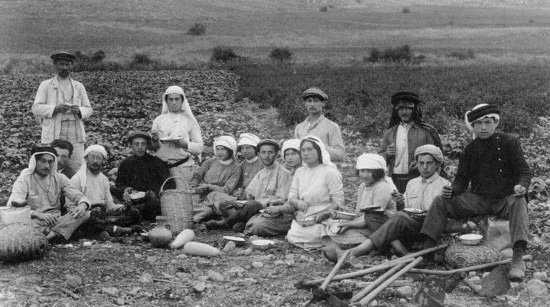
Jewish kibbutzim, or collective communities, offer valuable insights into education, learning, and teaching. These insights emphasize community, collaboration, and real-world engagement in ways that can influence modern educational systems:
- Community Learning and Shared Responsibility:
- Kibbutzim are built around the idea of communal living, where every member contributes to the collective good. This shared responsibility fosters a sense of interdependence and collaboration that extends to education.
- In kibbutz-based schools, education isn’t just the responsibility of teachers; it’s shared by everyone, with parents, children, and educators working together to shape the learning experience.
- Takeaway: A community-centered approach in education can promote cooperative learning, where students learn not just from teachers but also from peers and the surrounding community.
- Holistic Education:
- Kibbutzim place a strong emphasis on teaching not just academic knowledge but also values like social justice, equality, and the importance of collective effort.
- The educational approach often blends academic learning with practical, hands-on experiences, encouraging students to learn through action in areas like agriculture, arts, and craftsmanship.
- Takeaway: Incorporating real-world experiences into the curriculum, where students can connect academic learning with practical skills, is an approach that aligns with modern education’s emphasis on experiential learning.
- Equality and Inclusivity:
- Kibbutzim were historically founded on principles of egalitarianism, with a focus on equal opportunity for all. This ethos influenced their education systems, which often sought to minimize hierarchical structures between students and teachers.
- Educators in kibbutz schools were typically seen not as distant authorities, but as mentors and facilitators. The relationship between teacher and student is based on mutual respect, collaboration, and the idea that every individual has value.
- Takeaway: Promoting equality and inclusivity in education fosters a learning environment where all students, regardless of background, can thrive. It also suggests that flattening hierarchies between students and teachers can encourage more effective communication and learning.
- Lifelong Learning and Adaptability:
- In kibbutz communities, lifelong learning is a core value. Adults are constantly engaging in new forms of education, whether through technical skills or social development.
- This principle extends into the educational environment, where students are encouraged to develop not just academic knowledge but also critical thinking, adaptability, and the skills necessary to engage in continuous learning throughout life.
- Takeaway: Fostering a culture of lifelong learning and adaptability can help students develop the skills necessary to navigate an ever-changing world.
- Cooperative and Democratic Decision-Making:
- Decision-making in a kibbutz is highly democratic and often involves collective input from the community. This extends to educational choices, where students, teachers, and parents might have input into school practices and curriculum.
- This model allows for a more personalized learning experience that respects the autonomy of both the individual and the collective community.
- Takeaway: Encouraging student agency and involving them in the decision-making process can lead to greater engagement and ownership of their learning.
By emphasizing community, inclusivity, practical learning, and collaboration, the kibbutz model offers educational principles that could be applied to modern classrooms, creating more dynamic, participatory, and egalitarian learning environments.