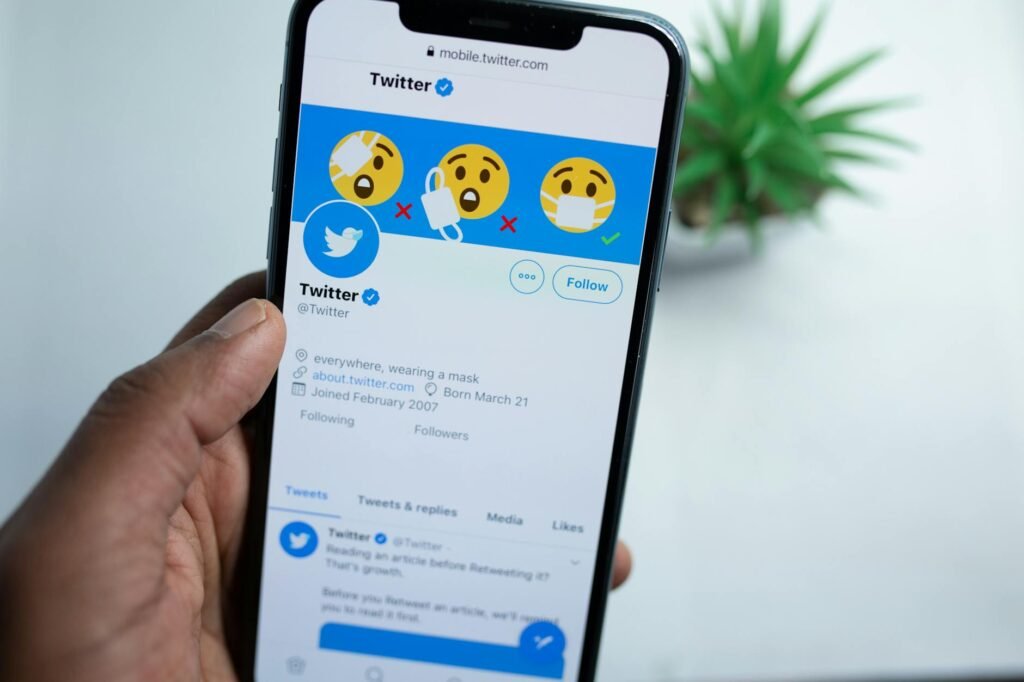
Photo by Solen Feyissa on <a href="https://www.pexels.com/photo/close-up-photo-of-a-smartphone-5744251/" rel="nofollow">Pexels.com</a>
Twitter isn’t just for trending memes and real-time news. It can also be a powerful platform for innovation—if used strategically. According to research highlighted in MIT Sloan Management Review, the structure and diversity of your Twitter network can directly influence the quality of your ideas. By fostering connections with people outside your usual circles, you can become more creative and innovative.
The Science of Innovation Through Social Networks
At its core, innovation stems from diverse inputs. Steve Jobs famously championed serendipitous interactions at Pixar by designing spaces that encouraged employees to mingle with colleagues from different departments. These chance encounters often led to fresh ideas and unexpected collaborations. In the digital age, platforms like Twitter replicate this serendipity on a global scale.
Researchers Salvatore Parise, Eoin Whelan, and Steve Todd analyzed how Twitter networks impact idea generation. Their findings? Twitter users with diverse and disconnected networks consistently produced higher-quality ideas. This was measured through innovation contests, where the participants with varied online interactions excelled.
Why Network Diversity Matters
A diverse network exposes you to a range of perspectives, behaviors, and expertise. This is crucial because new ideas often emerge from synthesizing disparate pieces of information. For example, a tweet from a marine biologist might inspire a software engineer to develop a novel algorithm, or a philosopher’s perspective could spark innovation in product design.
But diversity alone isn’t enough. The network’s structure—specifically, the lack of tight-knit clusters—also plays a role. Networks with weak ties (connections that don’t overlap much) bring unique information from different domains, creating fertile ground for innovation.
The Two Skills You Need
To leverage Twitter effectively for idea generation, you need two skills:
- Information Assimilation: The ability to absorb and make sense of diverse content.
- Information Exploitation: The knack for applying this newfound knowledge creatively.
Balancing these skills ensures you’re not just consuming information passively but actively transforming it into actionable ideas.
Practical Tips for Using Twitter to Innovate
- Follow Diversely: Break out of your industry bubble. Follow accounts in science, arts, philosophy, and even hobbies unrelated to your work.
- Engage Thoughtfully: Retweeting or commenting can lead to deeper discussions and build meaningful connections.
- Embrace Weak Ties: Avoid the temptation to form cliques. Interact with individuals and communities you wouldn’t normally engage with.
- Curate Your Feed: Use lists or filters to ensure a mix of perspectives without overwhelming yourself.
The Broader Implications
This research isn’t just relevant to individuals. Companies can also harness these insights. By encouraging employees to cultivate diverse online networks, organizations can foster a culture of innovation. Twitter, often dismissed as a distraction, becomes a tool for professional growth and ideation.
Final Thoughts
The digital world offers unparalleled opportunities for networking and innovation. By intentionally diversifying your Twitter connections and mastering how to use the platform strategically, you can unlock a wellspring of ideas. Innovation doesn’t happen in isolation—it’s the product of vibrant, interconnected networks.
So, the next time you scroll through Twitter, remember: each new connection could spark your next big idea.