Skip to content

Learning-Science Digest

Fringe of Human Learning Technology and Emergence

Categories

  • 4E Cognition
  • Ability grouping
  • Accelerated learning
  • Acting/ Role play
  • Active learning
  • Active/ Action learning
  • Activities
  • Adaptive Learning
  • Administration & Leadership
  • Affordances
  • After-School Programs
  • Agency/ Autonomy
  • Analogy & Analogy based Learning
  • Anchored Instruction
  • Andragogy
  • Anthropology/ Ethnographic learning
  • Apprenticeship
  • Approaches
  • Apps
  • Artificial Intelligence
  • Assessment
  • Asynchronous Learning
  • Attitude
  • Banking model
  • Behavior Design
  • Behavioural
  • Belonging
  • Biology
  • Blended, Flipped, etc
  • books
  • Brain
  • Bricolage
  • Catholic Education
  • Causation
  • Coaching
  • Cognitive Diversity
  • Cognitive Load
  • Cognitive Science
  • Collaborative learning
  • Communities of practice
  • Competency-Based Learning
  • Complexity Theory
  • Compliance Training
  • Computational Learning
  • Computer Based Math
  • Concept Differences
  • Concept similarity
  • Connected Learning
  • Connectivism
  • Constraints
  • Constraints-Led Approach
  • Constructionism
  • Constructivism
  • Contextualized Learning
  • Contrast and Polarity
  • Courses
  • Creativity/ Innovation
  • Critical articles
  • Critical Pedagogy
  • Critical Thinking
  • Cultural Intelligence
  • Cultural Learning
  • Cumulative culture
  • Curriculum
  • Curriculum Design
  • Deliberate Practice
  • Design Science/ Approaches
  • Desirable Difficulty
  • Dialogic Learning
  • Differential learning
  • Digital Learning
  • Direct Instruction/ KLC
  • Disability and Learning
  • Discovery Learning
  • Discussion/ Debate
  • Disposition/Propensity
  • Distributed Cognition/ Learning
  • DIY learning/ Edupunk
  • Dynamics and learning
  • Early Intervention
  • Ecological Approch
  • Ecological Dynamics
  • Ed-tech
  • Education
  • Education Models
  • Education Policy
  • Education Thinkers
  • Effectuation
  • Elaboration
  • Embedded Cognition
  • Embodied Cognition
  • Emergence
  • Emergency learning
  • Emerging technology
  • Emulative learning
  • Enactive learning
  • Enskilment
  • Entangled pedagogy
  • Entrepreneurial Learning
  • Ethics and Moral learning
  • Evaluation
  • Evidence
  • Evolution and Learning
  • Exams
  • Exaptation
  • Exercise
  • Experiential Learning
  • Expertise
  • Explicit instruction
  • Extended Cognition
  • Family/ Religion
  • Feedback
  • Frameworks
  • Future Of Learning
  • Games/ Gamification
  • Generation Effect
  • Generative AI
  • Genius
  • Geragogy
  • Grading
  • Happiness and learning
  • Heuristics
  • Heutagogy
  • Higher Education
  • History Of Education
  • Home Slider
  • Home/ Home Schooling/ Learning
  • Homework
  • Human Machine Interface
  • Humor
  • Hypercorrection
  • Improvisation
  • Informal Learning
  • Innovation
  • Inquiry
  • Instructional Design
  • Instrumentalism
  • Intelligence
  • Interviews
  • Job training
  • Knowledge Rich Curriculum
  • Knowledge: Types. etc.
  • Labelling
  • Language Learning
  • Law and Legal Learning
  • Learning and Development
  • Learning Difficulties
  • Learning Environments
  • Learning for life
  • Learning in Chaos
  • Learning in complexity
  • Learning Management System
  • Learning Myths
  • Learning Programming
  • Learning Science
  • Learning Stations
  • Learning Systems
  • Learning Techniques/Methods
  • Learning Thinkers
  • Learning under anxiety/pressure/stress
  • Learning/ Teaching Strategies
  • Learning/ Understanding By Design
  • Looping effect
  • Maker Learning
  • Mastery
  • Mathew Effect
  • Maths Learning
  • Measurement
  • Medical Education/Learning
  • Memory
  • Meta-Analysis
  • Meta-Cognition
  • mindset
  • Mnemonics
  • Montessori
  • Motivation
  • Motor Learning
  • Music/ Arts and Learning
  • Mystagogy
  • Needs and Need based Learning
  • Networked Learning
  • Networks and Ecosystem
  • Neurodivergence
  • Neuroscience
  • Non Computational
  • Non-Representational
  • Nonlinear Pedagogy
  • Novelty and learning
  • Observational learning
  • On-the-Job Training
  • Online and MOOC Learning
  • outdoor-education
  • Pedagogy
  • Peer Learning
  • Personalized Learning
  • Philosophy Of Education
  • Philosophy Of Learning
  • Philosophy Of Science
  • Place-Based Learning
  • Play/ Ludic Pedagogy
  • Policy
  • Pragmatism
  • Problem-based learning
  • Productive Failures
  • Professional education
  • Professional Learning
  • Progressive Education
  • Project Based Learning
  • Proximity and Learning
  • Psychological Issues
  • Question asking/ Question design
  • Reading , Literacy , etc
  • Recognition
  • Reification/ Reductionism
  • Relational Expertise
  • Relational Learning
  • Religion
  • Research
  • Resting/ offline consolidation
  • Retrieval
  • Salience/Closeness
  • Scaffolding
  • Science Of Learning
  • self-efficacy
  • Self-Organization
  • Self-Paced Learning
  • Self-Regulated/ Self-Directed
  • Service Learning
  • Short Concept Introduction
  • Signalling
  • Simulation or Simulative Learning
  • Situated Learning
  • Skill
  • Sleep and Rest
  • Social Effects
  • Social Learning
  • Social-emotional learning
  • Society-Ecosystem etc
  • Socioeconomic Factors
  • Sociology Of Learning
  • Software And Technology Review
  • Speaking/Public Speaking
  • Spiral design
  • Sports learning
  • Sports Science
  • Story/Narrative based learning
  • Studying
  • Teacher/ teaching
  • Testing
  • Theology and learning
  • Theories
  • Tools, Aids, Artifacts
  • Training
  • Training Needs Analysis
  • Transdisciplinary/ Interdisciplinary, etc
  • Transfer Of Learning
  • Trending News
  • Uncategorized
  • Uncertainty and learning
  • Variable Practice
  • Vicarious learning
  • Video playlist
  • Virtual, Augmented, etc
  • Visible Learning/ Hattie
  • Visual Learning/Drawing
  • Vocational Education
  • Wakeful Resting
  • Work Place Learning
  • Workshop Model
  • Zone of Proximal Development (ZPD)
Primary Menu
  • Home
  • About
  • Thinkers
    • Learning Thinkers
    • Education Thinkers
  • Design For Learning
    • Design Science/ Approaches
    • Instructional Design
    • Behavior Design
    • Curriculum Design
    • Learning/ Understanding By Design
    • Motivation
    • Ecological Approch
    • Blended, Flipped, etc
    • Games/ Gamification
  • Tools/Techniques/Methods
    • Learning Techniques/Methods
    • Education Models
    • Testing
    • Retrieval
    • Blended, Flipped, etc
    • Differential learning
    • Dialogic Learning
    • Computer Based Math
    • Tools, Aids, Artifacts
    • Knowledge Rich Curriculum
    • Cognitive Load
    • Online and MOOC Learning
    • Scaffolding
    • Contrast and Polarity
    • Play/ Ludic Pedagogy
    • Problem-based learning
    • Cultural Learning
    • Direct Instruction/ KLC
    • Deliberate Practice
    • Visual Learning/Drawing
    • Games/ Gamification
    • Acting/ Role play
    • Analogy & Analogy based Learning
    • Inquiry
    • Improvisation
    • Constructionism
    • Situated Learning
    • Productive Failures
    • Anthropology/ Ethnographic learning
    • Project Based Learning
    • Connected Learning
    • Nonlinear Pedagogy
    • Personalized Learning
    • Maker Learning
    • Virtual, Augmented, etc
    • Service Learning
    • Constructivism
    • Connectivism
    • Vicarious learning
    • Active/ Action learning
    • Computational Learning
    • Relational Learning
    • Apprenticeship
    • Communities of practice
    • Home/ Home Schooling/ Learning
    • Contextualized Learning
    • DIY learning/ Edupunk
    • Constraints-Led Approach
    • Peer Learning
  • Domains
    • Language Learning
    • Entrepreneurial Learning
    • Maths Learning
    • Sports Science
    • Theology and learning
    • Sports learning
    • Professional education
    • Law and Legal Learning
    • Catholic Education
    • Higher Education
    • Medical Education/Learning
    • Work Place Learning
    • Learning Programming
    • On-the-Job Training
    • Job training
    • Compliance Training
  • Approaches
    • Neuroscience
    • Social Learning
    • Ecological Approch
    • 4E Cognition
    • Active learning
    • Transfer Of Learning
    • Cumulative culture
    • Embodied Cognition
    • Evolution and Learning
    • Embedded Cognition
    • Differential learning
    • Dialogic Learning
    • Experiential Learning
    • Learning Environments
    • Cultural Intelligence
    • Enactive learning
    • Constraints-Led Approach
    • Non-Representational
    • Self-Organization
    • Relational Learning
    • Relational Expertise
    • Enskilment
    • Extended Cognition
    • Distributed Cognition/ Learning
  • Artificial Intelligence
  • Education Policy
  • Expertise
Subscribe or Login
  • Home
  • Collaborative learning
  • How to Implement a Collaborative Classroom: A Guide to Fostering Active Learning
  • Collaborative learning

How to Implement a Collaborative Classroom: A Guide to Fostering Active Learning

kiran Johny October 18, 2022
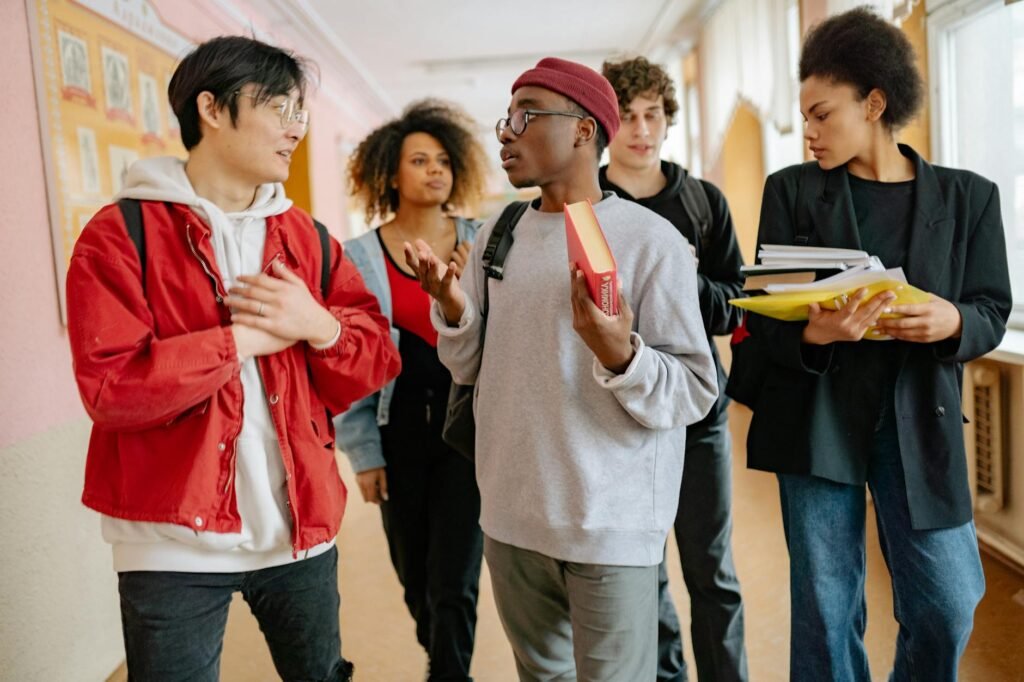
students walking in the corridor

In today’s rapidly evolving educational landscape, the traditional model of a teacher lecturing to passive students is being replaced by more dynamic and interactive approaches. One such approach is the collaborative classroom, a learning environment where students actively engage with each other and their educators to solve problems, share ideas, and create knowledge together. Collaborative classrooms emphasize group learning, peer feedback, and the use of technology to enhance participation and critical thinking.

If you’re an educator looking to transform your classroom into a collaborative space, this blog post will guide you through the what and how of implementing this innovative teaching model.


What is a Collaborative Classroom?

A collaborative classroom is a student-centered learning environment where the focus shifts from teacher-led instruction to group-based, interactive learning. In this setting, students work together to explore concepts, solve problems, and create projects, while the educator acts as a facilitator rather than a sole authority.

Key characteristics of a collaborative classroom include:

  • Group Learning: Students work in teams to achieve common goals.
  • Peer Feedback: Learners provide constructive feedback to one another, fostering a culture of mutual respect and growth.
  • Technology Integration: Tools like tablets, laptops, and interactive software are used to enhance collaboration and engagement.
  • Critical Thinking: Students are encouraged to analyze, evaluate, and synthesize information rather than simply memorize it.
  • Active Participation: Every student has a voice and is encouraged to contribute to discussions and activities.

Collaborative classrooms prepare students for the modern workforce by teaching them essential skills like teamwork, communication, and problem-solving.


How to Implement a Collaborative Classroom

Implementing a collaborative classroom requires careful planning, a shift in teaching mindset, and the right tools. Here’s a step-by-step guide to help you get started:

1. Redesign Your Classroom Layout

The physical setup of your classroom plays a crucial role in fostering collaboration. Replace traditional rows of desks with flexible seating arrangements that encourage group work. Consider:

  • Group tables or pods for small team discussions.
  • Open spaces for movement and interactive activities.
  • Comfortable seating options like bean bags or cushions for informal discussions.

2. Foster a Collaborative Culture

Creating a collaborative classroom starts with building a culture of trust and respect. Encourage students to:

  • Share ideas openly without fear of judgment.
  • Listen actively to their peers.
  • Provide constructive feedback.
  • Celebrate each other’s successes.

Set clear expectations for behavior and participation to ensure a positive and inclusive environment.

3. Incorporate Group Activities and Projects

Design lessons that require students to work together. Some effective strategies include:

  • Think-Pair-Share: Students think about a question individually, discuss it with a partner, and then share their ideas with the class.
  • Group Projects: Assign tasks that require research, problem-solving, and creative presentation.
  • Peer Teaching: Have students teach a concept to their classmates, reinforcing their own understanding while helping others.

4. Leverage Technology

Technology can be a powerful tool for collaboration. Use tools like:

  • Collaborative Platforms: Google Workspace, Microsoft Teams, or Padlet for real-time collaboration on documents and projects.
  • Interactive Whiteboards: Tools like SMART Boards or Jamboard for brainstorming and visual learning.
  • Polling and Quiz Apps: Kahoot, Mentimeter, or Poll Everywhere to engage students and gather instant feedback.

5. Encourage Peer Feedback

Teach students how to give and receive constructive feedback. This not only improves their work but also builds communication and critical thinking skills. Use structured formats like:

  • Two Stars and a Wish: Students highlight two positive aspects of a peer’s work and suggest one area for improvement.
  • Rubrics: Provide clear criteria for evaluating group projects and presentations.

6. Act as a Facilitator

In a collaborative classroom, your role shifts from being the sole source of knowledge to a guide who supports and encourages student-led learning. To do this:

  • Ask open-ended questions to stimulate discussion.
  • Provide resources and guidance without dictating the process.
  • Observe group dynamics and intervene only when necessary to keep discussions productive.

7. Assess Collaboration

Assessment in a collaborative classroom should focus on both individual and group contributions. Consider:

  • Group Evaluations: Have students assess their own and their peers’ contributions to a project.
  • Reflective Journals: Ask students to write about what they learned from working with others.
  • Performance-Based Assessments: Evaluate students based on their ability to collaborate, communicate, and solve problems.

8. Continuously Reflect and Improve

Collaborative learning is an ongoing process. Regularly reflect on what’s working and what’s not. Seek feedback from your students and be willing to adapt your strategies to meet their needs.


Benefits of a Collaborative Classroom

Implementing a collaborative classroom has numerous benefits for both students and educators:

  • Enhanced Learning: Students retain information better when they actively engage with it.
  • Improved Social Skills: Collaboration teaches empathy, communication, and conflict resolution.
  • Increased Engagement: Students are more motivated when they feel their contributions matter.
  • Preparation for the Future: Collaborative skills are essential for success in the modern workplace.

Conclusion

A collaborative classroom is more than just a teaching method—it’s a mindset that prioritizes active learning, teamwork, and critical thinking. By redesigning your classroom layout, fostering a collaborative culture, leveraging technology, and acting as a facilitator, you can create an environment where students thrive and prepare for the challenges of the future.

Continue Reading

Previous: Desirable difficulties under working memory stress.
Next: Learning by Teaching: A Powerful Approach to Deepening Understanding

Categories

Archives

  • September 2025
  • July 2025
  • June 2025
  • May 2025
  • April 2025
  • March 2025
  • February 2025
  • January 2025
  • December 2024
  • November 2024
  • October 2024
  • September 2024
  • August 2024
  • July 2024
  • June 2024
  • May 2024
  • April 2024
  • March 2024
  • February 2024
  • January 2024
  • December 2023
  • November 2023
  • October 2023
  • September 2023
  • August 2023
  • July 2023
  • June 2023
  • May 2023
  • April 2023
  • March 2023
  • February 2023
  • January 2023
  • December 2022
  • November 2022
  • October 2022
  • September 2022
  • August 2022
  • July 2022
  • June 2022
  • May 2022
  • April 2022
  • March 2022
  • February 2022
  • January 2022
  • December 2021
  • November 2021
  • October 2021
  • September 2021
  • August 2021
  • July 2021
  • June 2021
  • May 2021
Copy Right © 2025–2026 Learning Science Digest (lsdigest.com). All rights reserved.

Copyright © 2025-2026 LsDigest.com

Copyright © 2025-2026 LsDigest.com | MoreNews by AF themes.