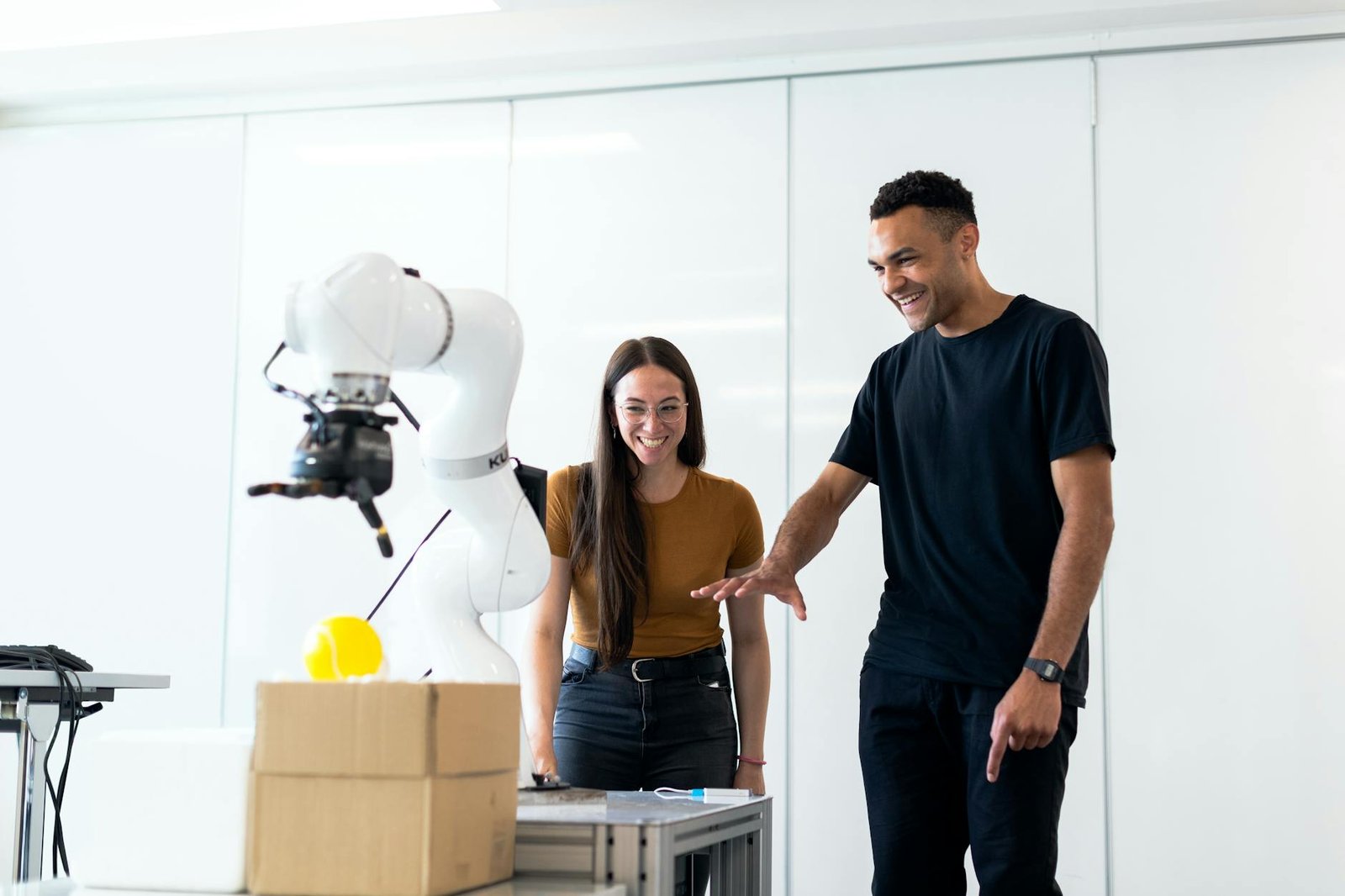
Photo by ThisIsEngineering on <a href="https://www.pexels.com/photo/engineers-developing-robotic-arm-3913031/" rel="nofollow">Pexels.com</a>
Artificial Intelligence (AI) is transforming education by enabling personalized learning experiences that cater to the unique needs of each student. This shift from a one-size-fits-all approach to a more tailored educational experience is reshaping how students learn and engage with content. Here’s how AI enhances personalized learning:
Adaptive Learning Platforms
AI-powered adaptive learning platforms analyze student performance data, identifying individual strengths, weaknesses, and learning paces. By leveraging this information, these systems can create customized learning pathways, providing resources and activities that align with each student’s specific needs. For example, if a student excels in mathematics but struggles with reading comprehension, the platform can adjust the curriculum accordingly, focusing on enhancing reading skills while allowing the student to progress in math.
Intelligent Tutoring Systems
Intelligent tutoring systems utilize AI to offer personalized guidance and support. These systems assess a student’s understanding in real-time, pinpointing areas of difficulty and providing targeted explanations and practice exercises. By adapting to each student’s progress, intelligent tutoring systems ensure that learners receive the right level of challenge and support, fostering deeper understanding and retention of material.
Personalized Recommendations
AI algorithms can sift through vast amounts of data to generate tailored recommendations for educational resources. By analyzing past performance, interests, and goals, AI can suggest relevant books, articles, videos, and other materials that resonate with each student’s learning journey. This not only enhances engagement but also helps students discover content that aligns with their aspirations.
Natural Language Processing
Natural Language Processing (NLP) capabilities enable the development of AI-driven chatbots and virtual assistants that interact with students in a conversational manner. These tools can answer questions, provide explanations, and offer feedback in real-time, creating an interactive learning environment that supports students as they navigate their educational paths.
Data-Driven Insights for Educators
AI empowers educators by providing valuable insights derived from extensive student data analysis. By understanding engagement levels, behavior patterns, and assessment results, teachers can make informed decisions to tailor their instructional strategies. This data-driven approach allows for more effective interventions and support for students who may be struggling.
Multimodal Learning Experiences
AI facilitates multimodal learning by incorporating various formats such as text, audio, video, and interactive elements into the educational experience. This diversity allows students to engage with content in ways that best suit their learning preferences—whether they are visual learners who benefit from videos or auditory learners who thrive on discussions.
Timely Feedback and Assessment
Automated assessment tools powered by AI provide timely feedback on assignments and quizzes. This rapid response helps students identify areas for improvement while also allowing educators to adjust their teaching methods based on performance trends. Personalized feedback is crucial for guiding students toward mastery of concepts.
Individualized Learning Paths
AI can generate individualized learning paths based on a student’s goals and prior knowledge. By adapting the curriculum to fit each learner’s unique profile, AI ensures that students are appropriately challenged without feeling overwhelmed or bored. This personalized approach maximizes learning outcomes by aligning educational experiences with individual aspirations.
Conclusion
The integration of AI into education offers immense potential for enhancing personalized learning experiences. By tailoring educational content to meet individual needs, preferences, and learning styles, AI not only boosts engagement but also improves overall academic performance. As technology continues to evolve, the collaboration between AI and human educators will create more effective and supportive learning environments for all students.