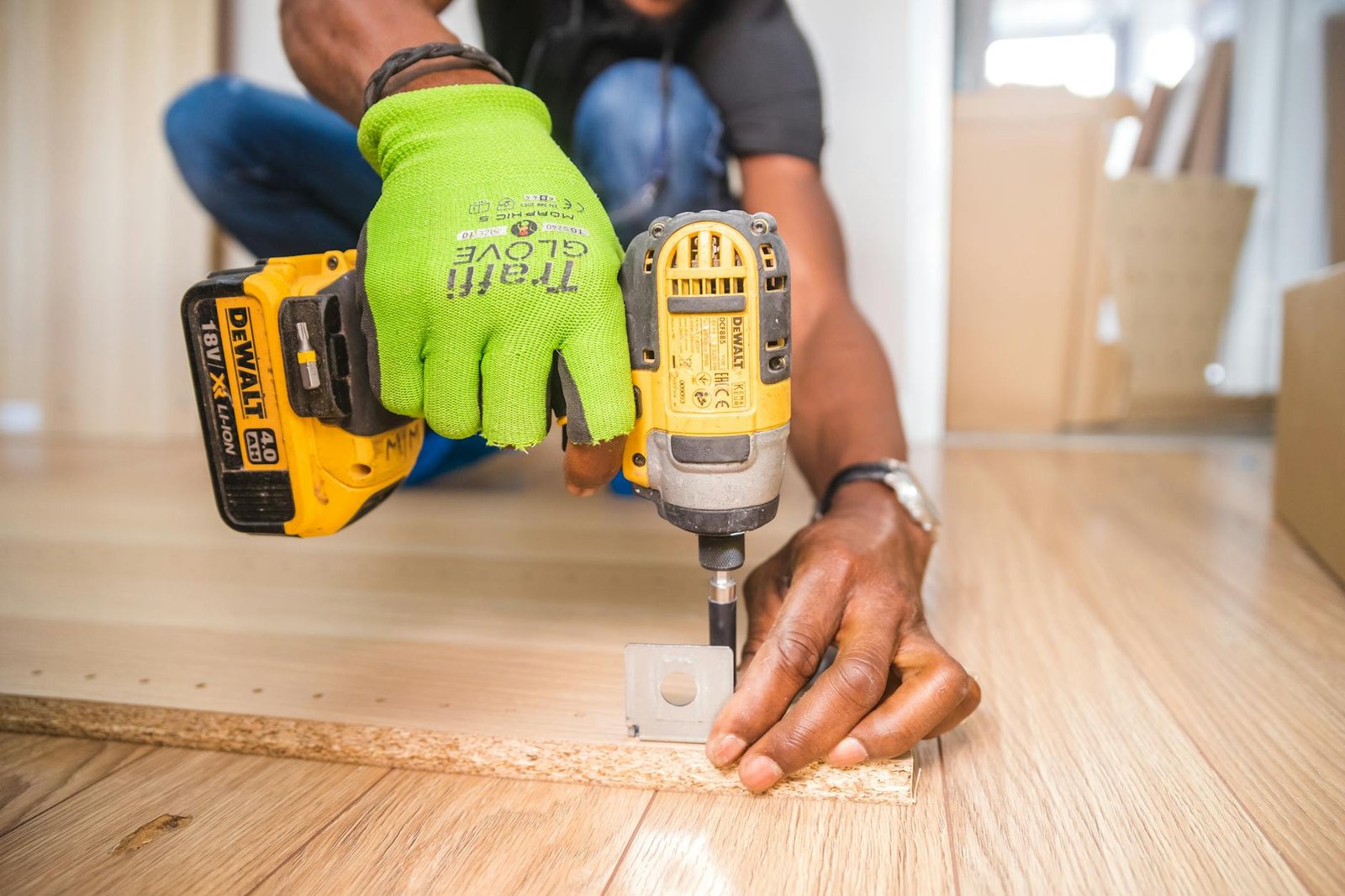
Photo by Bidvine on <a href="https://www.pexels.com/photo/person-using-dewalt-cordless-impact-driver-on-brown-board-1249611/" rel="nofollow">Pexels.com</a>
In a world of rapid change, where new knowledge and skills emerge daily, the ability to learn independently has never been more crucial. DIY (Do-It-Yourself) learning is an empowering approach to education that puts the learner in the driver’s seat. It’s about taking charge of your intellectual growth and tailoring your learning experience to fit your unique goals, interests, and pace. But how do you navigate the vast sea of information and transform it into meaningful knowledge? Here’s a closer look at the concept and strategies for successful DIY learning.
What is DIY Learning?
DIY learning is the process of self-directed education. It involves identifying what you want to learn, seeking out resources, and setting up a personalized plan to acquire new knowledge or skills. Unlike formal education, which follows a structured curriculum, DIY learning is flexible and often more closely aligned with your immediate needs or passions. This approach is especially relevant in today’s world, where access to learning resources has been democratized through technology.
Why Choose DIY Learning?
- Flexibility: Learn at your own pace, on your own schedule.
- Personalization: Focus on topics that resonate with your interests or career goals.
- Cost-Effectiveness: Many high-quality resources are available for free or at a low cost.
- Skill Development: DIY learning fosters self-discipline, critical thinking, and problem-solving abilities.
Essential Strategies for Effective DIY Learning
- Set Clear Goals Start by defining what you want to achieve. Are you learning for career advancement, personal interest, or skill acquisition? Clear goals will guide your resource selection and learning plan.
- Find Reliable Resources Leverage diverse sources such as:
- Online Platforms: Websites like Coursera, Khan Academy, and YouTube.
- Books: Traditional and eBooks often offer in-depth insights.
- Podcasts and Blogs: Great for bite-sized learning and fresh perspectives.
- Create a Learning Plan Organize your goals into manageable steps. Allocate specific times for study, practice, and review. Use tools like calendars, apps, or spreadsheets to track progress.
- Engage in Active Learning Passive consumption isn’t enough. Apply what you learn by:
- Taking notes.
- Participating in discussions or forums.
- Practicing skills through projects.
- Leverage Community Support Join communities or groups aligned with your interests. Online forums, social media groups, and local meetups can provide motivation, accountability, and diverse viewpoints.
- Reflect and Iterate Periodically review your progress and adapt your learning methods. Reflection ensures you’re not just accumulating information but transforming it into actionable knowledge.
Challenges of DIY Learning and How to Overcome Them
- Information Overload: Focus on curated content and trusted sources.
- Lack of Discipline: Set routines and small, achievable milestones to maintain momentum.
- Isolation: Counteract by engaging in discussions, seeking mentors, or joining learning communities.
Examples of DIY Learning Success Stories
- Entrepreneurs who taught themselves coding to build apps and startups.
- Artists who honed their craft using online tutorials and community feedback.
- Professionals who upskilled through MOOCs to transition into new industries.
Conclusion
DIY learning is more than a trend; it’s a powerful approach to personal and professional growth in the 21st century. By taking ownership of your education, you can unlock endless possibilities and adapt to the ever-changing world. Start small, stay curious, and let your interests guide your journey. Remember, the most valuable skill you can have is the ability to learn how to learn.