Skip to content

Learning-Science Digest

Fringe of Human Learning Technology and Emergence

Categories

  • 4E Cognition
  • Ability grouping
  • Accelerated learning
  • Acting/ Role play
  • Active learning
  • Active/ Action learning
  • Activities
  • Adaptive Learning
  • Administration & Leadership
  • Affordances
  • After-School Programs
  • Agency/ Autonomy
  • Analogy & Analogy based Learning
  • Anchored Instruction
  • Andragogy
  • Anthropology/ Ethnographic learning
  • Apprenticeship
  • Approaches
  • Apps
  • Artificial Intelligence
  • Assessment
  • Asynchronous Learning
  • Attitude
  • Banking model
  • Behavior Design
  • Behavioural
  • Belonging
  • Biology
  • Blended, Flipped, etc
  • books
  • Brain
  • Bricolage
  • Catholic Education
  • Causation
  • Coaching
  • Cognitive Diversity
  • Cognitive Load
  • Cognitive Science
  • Collaborative learning
  • Communities of practice
  • Competency-Based Learning
  • Complexity Theory
  • Compliance Training
  • Computational Learning
  • Computer Based Math
  • Concept Differences
  • Concept similarity
  • Connected Learning
  • Connectivism
  • Constraints
  • Constraints-Led Approach
  • Constructionism
  • Constructivism
  • Contextualized Learning
  • Contrast and Polarity
  • Courses
  • Creativity/ Innovation
  • Critical articles
  • Critical Pedagogy
  • Critical Thinking
  • Cultural Intelligence
  • Cultural Learning
  • Cumulative culture
  • Curriculum
  • Curriculum Design
  • Deliberate Practice
  • Design Science/ Approaches
  • Desirable Difficulty
  • Dialogic Learning
  • Differential learning
  • Digital Learning
  • Direct Instruction/ KLC
  • Disability and Learning
  • Discovery Learning
  • Discussion/ Debate
  • Disposition/Propensity
  • Distributed Cognition/ Learning
  • DIY learning/ Edupunk
  • Dynamics and learning
  • Early Intervention
  • Ecological Approch
  • Ecological Dynamics
  • Ed-tech
  • Education
  • Education Models
  • Education Policy
  • Education Thinkers
  • Effectuation
  • Elaboration
  • Embedded Cognition
  • Embodied Cognition
  • Emergence
  • Emergency learning
  • Emerging technology
  • Emulative learning
  • Enactive learning
  • Enskilment
  • Entangled pedagogy
  • Entrepreneurial Learning
  • Ethics and Moral learning
  • Evaluation
  • Evidence
  • Evolution and Learning
  • Exams
  • Exaptation
  • Exercise
  • Experiential Learning
  • Expertise
  • Explicit instruction
  • Extended Cognition
  • Family/ Religion
  • Feedback
  • Frameworks
  • Future Of Learning
  • Games/ Gamification
  • Generation Effect
  • Generative AI
  • Genius
  • Geragogy
  • Grading
  • Happiness and learning
  • Heuristics
  • Heutagogy
  • Higher Education
  • History Of Education
  • Home Slider
  • Home/ Home Schooling/ Learning
  • Homework
  • Human Machine Interface
  • Humor
  • Hypercorrection
  • Improvisation
  • Informal Learning
  • Innovation
  • Inquiry
  • Instructional Design
  • Instrumentalism
  • Intelligence
  • Interviews
  • Job training
  • Knowledge Rich Curriculum
  • Knowledge: Types. etc.
  • Labelling
  • Language Learning
  • Law and Legal Learning
  • Learning and Development
  • Learning Difficulties
  • Learning Environments
  • Learning for life
  • Learning in Chaos
  • Learning in complexity
  • Learning Management System
  • Learning Myths
  • Learning Programming
  • Learning Science
  • Learning Stations
  • Learning Systems
  • Learning Techniques/Methods
  • Learning Thinkers
  • Learning under anxiety/pressure/stress
  • Learning/ Teaching Strategies
  • Learning/ Understanding By Design
  • Looping effect
  • Maker Learning
  • Mastery
  • Mathew Effect
  • Maths Learning
  • Measurement
  • Medical Education/Learning
  • Memory
  • Meta-Analysis
  • Meta-Cognition
  • mindset
  • Mnemonics
  • Montessori
  • Motivation
  • Motor Learning
  • Music/ Arts and Learning
  • Mystagogy
  • Needs and Need based Learning
  • Networked Learning
  • Networks and Ecosystem
  • Neurodivergence
  • Neuroscience
  • Non Computational
  • Non-Representational
  • Nonlinear Pedagogy
  • Novelty and learning
  • Observational learning
  • On-the-Job Training
  • Online and MOOC Learning
  • outdoor-education
  • Pedagogy
  • Peer Learning
  • Personalized Learning
  • Philosophy Of Education
  • Philosophy Of Learning
  • Philosophy Of Science
  • Place-Based Learning
  • Play/ Ludic Pedagogy
  • Policy
  • Pragmatism
  • Problem-based learning
  • Productive Failures
  • Professional education
  • Professional Learning
  • Progressive Education
  • Project Based Learning
  • Proximity and Learning
  • Psychological Issues
  • Question asking/ Question design
  • Reading , Literacy , etc
  • Recognition
  • Reification/ Reductionism
  • Relational Expertise
  • Relational Learning
  • Religion
  • Research
  • Resting/ offline consolidation
  • Retrieval
  • Salience/Closeness
  • Scaffolding
  • Science Of Learning
  • self-efficacy
  • Self-Organization
  • Self-Paced Learning
  • Self-Regulated/ Self-Directed
  • Service Learning
  • Short Concept Introduction
  • Signalling
  • Simulation or Simulative Learning
  • Situated Learning
  • Skill
  • Sleep and Rest
  • Social Effects
  • Social Learning
  • Social-emotional learning
  • Society-Ecosystem etc
  • Socioeconomic Factors
  • Sociology Of Learning
  • Software And Technology Review
  • Speaking/Public Speaking
  • Spiral design
  • Sports learning
  • Sports Science
  • Story/Narrative based learning
  • Studying
  • Teacher/ teaching
  • Testing
  • Theology and learning
  • Theories
  • Tools, Aids, Artifacts
  • Training
  • Training Needs Analysis
  • Transdisciplinary/ Interdisciplinary, etc
  • Transfer Of Learning
  • Trending News
  • Uncategorized
  • Uncertainty and learning
  • Variable Practice
  • Vicarious learning
  • Video playlist
  • Virtual, Augmented, etc
  • Visible Learning/ Hattie
  • Visual Learning/Drawing
  • Vocational Education
  • Wakeful Resting
  • Work Place Learning
  • Workshop Model
  • Zone of Proximal Development (ZPD)
Primary Menu
  • Home
  • About
  • Thinkers
    • Learning Thinkers
    • Education Thinkers
  • Design For Learning
    • Design Science/ Approaches
    • Instructional Design
    • Behavior Design
    • Curriculum Design
    • Learning/ Understanding By Design
    • Motivation
    • Ecological Approch
    • Blended, Flipped, etc
    • Games/ Gamification
  • Tools/Techniques/Methods
    • Learning Techniques/Methods
    • Education Models
    • Testing
    • Retrieval
    • Blended, Flipped, etc
    • Differential learning
    • Dialogic Learning
    • Computer Based Math
    • Tools, Aids, Artifacts
    • Knowledge Rich Curriculum
    • Cognitive Load
    • Online and MOOC Learning
    • Scaffolding
    • Contrast and Polarity
    • Play/ Ludic Pedagogy
    • Problem-based learning
    • Cultural Learning
    • Direct Instruction/ KLC
    • Deliberate Practice
    • Visual Learning/Drawing
    • Games/ Gamification
    • Acting/ Role play
    • Analogy & Analogy based Learning
    • Inquiry
    • Improvisation
    • Constructionism
    • Situated Learning
    • Productive Failures
    • Anthropology/ Ethnographic learning
    • Project Based Learning
    • Connected Learning
    • Nonlinear Pedagogy
    • Personalized Learning
    • Maker Learning
    • Virtual, Augmented, etc
    • Service Learning
    • Constructivism
    • Connectivism
    • Vicarious learning
    • Active/ Action learning
    • Computational Learning
    • Relational Learning
    • Apprenticeship
    • Communities of practice
    • Home/ Home Schooling/ Learning
    • Contextualized Learning
    • DIY learning/ Edupunk
    • Constraints-Led Approach
    • Peer Learning
  • Domains
    • Language Learning
    • Entrepreneurial Learning
    • Maths Learning
    • Sports Science
    • Theology and learning
    • Sports learning
    • Professional education
    • Law and Legal Learning
    • Catholic Education
    • Higher Education
    • Medical Education/Learning
    • Work Place Learning
    • Learning Programming
    • On-the-Job Training
    • Job training
    • Compliance Training
  • Approaches
    • Neuroscience
    • Social Learning
    • Ecological Approch
    • 4E Cognition
    • Active learning
    • Transfer Of Learning
    • Cumulative culture
    • Embodied Cognition
    • Evolution and Learning
    • Embedded Cognition
    • Differential learning
    • Dialogic Learning
    • Experiential Learning
    • Learning Environments
    • Cultural Intelligence
    • Enactive learning
    • Constraints-Led Approach
    • Non-Representational
    • Self-Organization
    • Relational Learning
    • Relational Expertise
    • Enskilment
    • Extended Cognition
    • Distributed Cognition/ Learning
  • Artificial Intelligence
  • Education Policy
  • Expertise
Subscribe or Login
  • Home
  • Cognitive Load
  • Debunking Misappropriations: Cognitive Load Theory, Direct Instruction, and the Expertise Literature
  • Cognitive Load
  • Expertise

Debunking Misappropriations: Cognitive Load Theory, Direct Instruction, and the Expertise Literature

Cognitive Load Theory (CLT) and its cousin, the direct instruction approach, have gained traction in educational discourse for their emphasis on optimizing working and long-term memory. Proponents often cite expertise literature—specifically the seminal works of De Groot, Chase, and Herbert Simon on chess expertise—as foundational support. However, a closer examination reveals a fundamental misalignment: expertise, as studied in these contexts, is domain-specific, not a universal model of learning or cognition.
kiran Johny January 14, 2023
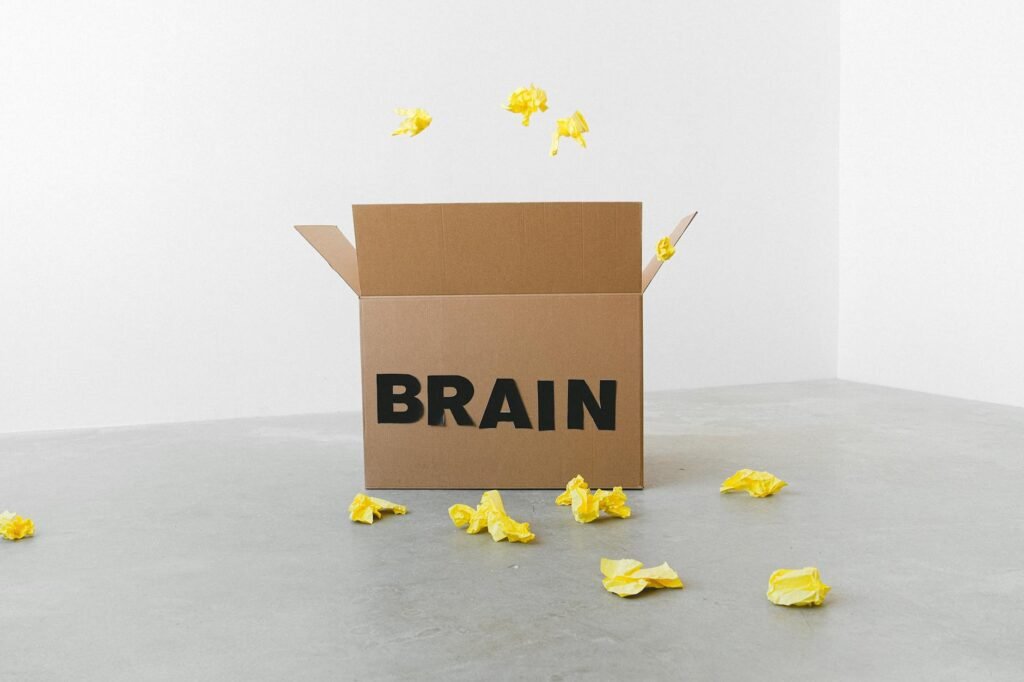
brain inscription on cardboard box under flying paper pieces

Photo by SHVETS production on <a href="https://www.pexels.com/photo/brain-inscription-on-cardboard-box-under-flying-paper-pieces-7203692/" rel="nofollow">Pexels.com</a>

Cognitive Load Theory (CLT) and its cousin, the direct instruction approach, have gained traction in educational discourse for their emphasis on optimizing working and long-term memory. Proponents often cite expertise literature—specifically the seminal works of De Groot, Chase, and Herbert Simon on chess expertise—as foundational support. However, a closer examination reveals a fundamental misalignment: expertise, as studied in these contexts, is domain-specific, not a universal model of learning or cognition.

Expertise Is Local, Not General

The cornerstone of expertise literature is its emphasis on the localized nature of expertise. Chess expertise, as explored by De Groot and others, is bound to the specific cognitive processes required in chess. Similarly, car-driving expertise pertains exclusively to the nuanced act of operating a vehicle in a particular environment. These studies are meticulous in avoiding claims of generalized expertise because their findings hinge on the intricacies of domain-specific skill acquisition and application.

In education, however, CLT and direct instruction often venture beyond this localized framework. By positioning their approaches as universally applicable to teaching and learning, they implicitly suggest that educational expertise is a matter of generic cognitive principles rather than a contextual understanding of evaluative cultures, such as test-taking or memorization strategies tailored to specific educational systems. This assumption is problematic and contradicts the very foundations of expertise literature.

The False Claim of General Intelligence in Expertise

Expertise literature, spearheaded by scholars like Anders Ericsson, has consistently aimed to debunk myths of generalized expertise. Ericsson’s work emphasizes the need to distinguish real expertise, which emerges from deliberate practice within a domain, from false or superficial expertise. Concepts like the Dunning-Kruger effect underscore this distinction by illustrating how novices overestimate their abilities due to a lack of domain-specific knowledge.

Ericsson himself exemplified this principle in his learning strategies. His approach to history tests, where he avoided rote memorization in favor of immersive reading, highlights a fundamental divergence from CLT’s emphasis on filling long-term memory with facts. He prioritized understanding over memorization, stating:

“I thought memorizing things was just a waste of time… I would typically go to the library for three or four days and read books about this period… sufficient for me to get a decent grade here on the test but not being basically wasting my time by memorizing things.”

Anders Ericsson talks to @augustbradley about Skill Mastery & Peak Performance via Deliberate Practice. This is one of his last (Anders Ericsson (1947 – June 17, 2020))
He talks about #10000hours #MalcolmGladwell, etc
Link ⬇️https://t.co/2Ai9k6I1HV pic.twitter.com/FRFqQp4q6A

— Kiran Johny (@johnywrites) August 14, 2020

This perspective starkly contrasts with the reductionistic methods championed by CLT and direct instruction advocates, who often focus on knowledge accumulation rather than cultivating deeper understanding or intrinsic interest in a subject.

The Flawed Application of Cognitive Load Theory in Education

By borrowing selectively from expertise literature, CLT proponents attempt to generalize principles of working and long-term memory beyond their intended scope. While it is true that cognitive load affects learning, the application of these findings to education often disregards the localized nature of expertise. Educational success is not solely about managing cognitive load; it is about fostering domain-specific skills, critical thinking, and the ability to navigate diverse evaluative frameworks.

Moreover, the reliance on a knowledge-rich curriculum as a panacea undermines the dynamic and situated nature of learning. Effective education should accommodate the diversity of learners’ interests, contexts, and evaluative environments rather than imposing a one-size-fits-all model based on theoretical abstractions.

Moving Forward: A Call for Contextualized Expertise in Education

Educational theories should take a cue from the rigor of expertise literature, which demands specificity and context. Instead of misappropriating findings from studies on chess or other domains, educators and policymakers should focus on cultivating localized expertise in students. This means recognizing the unique demands of different subjects, teaching methods, and evaluative cultures.

Ultimately, the goal of education is not to overload long-term memory with disconnected facts but to inspire curiosity, foster understanding, and equip learners with the tools to navigate their chosen domains effectively. By grounding educational approaches in the principles of localized expertise, we can move closer to this vision while respecting the integrity of the expertise literature.
Continue Reading

Previous: Rethinking Classroom Retrieval Practice: Lessons from Study
Next: Peer Tutoring: A Powerful Strategy for Learning and Growth

Categories

Archives

  • September 2025
  • July 2025
  • June 2025
  • May 2025
  • April 2025
  • March 2025
  • February 2025
  • January 2025
  • December 2024
  • November 2024
  • October 2024
  • September 2024
  • August 2024
  • July 2024
  • June 2024
  • May 2024
  • April 2024
  • March 2024
  • February 2024
  • January 2024
  • December 2023
  • November 2023
  • October 2023
  • September 2023
  • August 2023
  • July 2023
  • June 2023
  • May 2023
  • April 2023
  • March 2023
  • February 2023
  • January 2023
  • December 2022
  • November 2022
  • October 2022
  • September 2022
  • August 2022
  • July 2022
  • June 2022
  • May 2022
  • April 2022
  • March 2022
  • February 2022
  • January 2022
  • December 2021
  • November 2021
  • October 2021
  • September 2021
  • August 2021
  • July 2021
  • June 2021
  • May 2021
Copy Right © 2025–2026 Learning Science Digest (lsdigest.com). All rights reserved.

Copyright © 2025-2026 LsDigest.com

Copyright © 2025-2026 LsDigest.com | MoreNews by AF themes.