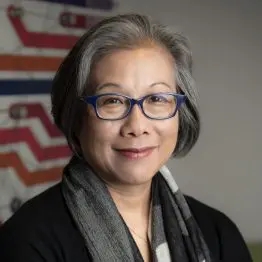
Connected Learning: Bridging Interests, Technology, and Education
In the evolving landscape of education, the challenges and opportunities presented by the digital age are transforming how young people learn, interact, and build meaningful futures. Mimi Ito, a cultural anthropologist and leading researcher in digital learning, has been at the forefront of this transformation. Her groundbreaking work in Connected Learning offers a fresh framework for engaging learners by linking personal interests, social connections, and real-world opportunities. This post dives into Ito’s vision and explores how connected learning can democratize education for all.
From Digital Opportunities to New Challenges
A few years ago, Dr. Mizuko “Mimi” Ito led a large-scale study examining how young people were leveraging electronic games, social media, and digital content for learning. The findings were illuminating. On one hand, they found inspiring examples of self-motivated learners pursuing complex technical skills, engaging in social activism, and creating sophisticated media content—all within online environments. These young people were deeply immersed in interest-driven, self-directed, and participatory learning.
However, there was a troubling side to this story. Ito and her team observed that such transformative digital learning experiences were primarily benefiting an already privileged minority—those with technological access, educational support, and mentorship. A new equity gap was emerging, a digital learning divide where most young people were not tapping into these opportunities.
This concern set Ito on a path to explore how the principles of highly engaged, “geeked out,” and self-directed learning could be scaled to benefit all learners. Through the MacArthur Foundation’s Digital Media and Learning Initiative, she and her colleagues developed a model for connected learning—a framework for bringing equity, engagement, and empowerment to education.
What is Connected Learning?
At its core, connected learning is a model where learning is:
- Interest-driven – Learners pursue knowledge around topics they are passionate about.
- Peer-supported – Social connections and shared interests create collaborative learning opportunities.
- Academically and economically empowering – Learning connects to real-world success, whether in educational, civic, or professional domains.
Ito describes connected learning as a dynamic system that integrates what students care about with the people and institutions that can support them. It’s learning that happens “everywhere, anytime, and for everyone.”
Beyond Screen Time: Why Interests Matter
Critics often view the digital world as a distraction, emphasizing limits on screen time to “protect” young learners. Ito challenges this gatekeeping approach. She argues that digital interactions are integral to how young people engage with the world and define their interests.
Ito asks educators and parents to shift their perspectives:
- Where are the young people?
- What do they like to do?
- How can we connect what motivates them to what they need to learn?
These questions form the foundation for an educational experience that keeps learners engaged, motivated, and excited about their futures.
A Vision for Equitable Education
For Ito, connected learning is about breaking down barriers that isolate formal education from the rich, networked, and interest-driven learning opportunities that exist in the digital world. It means recognizing that learning happens not only in classrooms but also in online communities, gaming spaces, and peer networks.
To achieve this vision, educators, parents, and institutions must collaborate to:
- Bridge formal and informal learning – Support learners in connecting school subjects to their passions.
- Leverage digital tools – Use social media, online platforms, and technology to create inclusive learning opportunities.
- Promote mentorship and collaboration – Encourage adults and peers to support youth in pursuing their interests.
The goal is to create a future where connected learning is not reserved for a privileged few but is accessible to everyone, everywhere, anytime.
Conclusion: A Call to Action
Mimi Ito’s work on connected learning challenges us to rethink how we approach education in the digital age. By tapping into the passions, interactions, and communities that drive young people, we can unlock a world of learning that is engaging, equitable, and empowering.
It’s time to move beyond outdated models of education and embrace the connected, networked opportunities of the 21st century. As educators, parents, and learners, we have the tools to make this shift—but it begins by asking the right questions and meeting young people where they are.
Let’s connect learning to life.
For more on connected learning, explore the work of Mimi Ito and the MacArthur Foundation’s Digital Media and Learning Initiative.
What’s different about the Connected Learning is the fact that education isn’t bound to particular institutions anymore and it happens everywhere
— Kiran Johny (@johnywrites) November 23, 2018
happen in the classroom.
Great #Connected #Learning Model Intro by @mizuko @TheCLAlliance #Education #Edtechhttps://t.co/FVPtPEXnUw