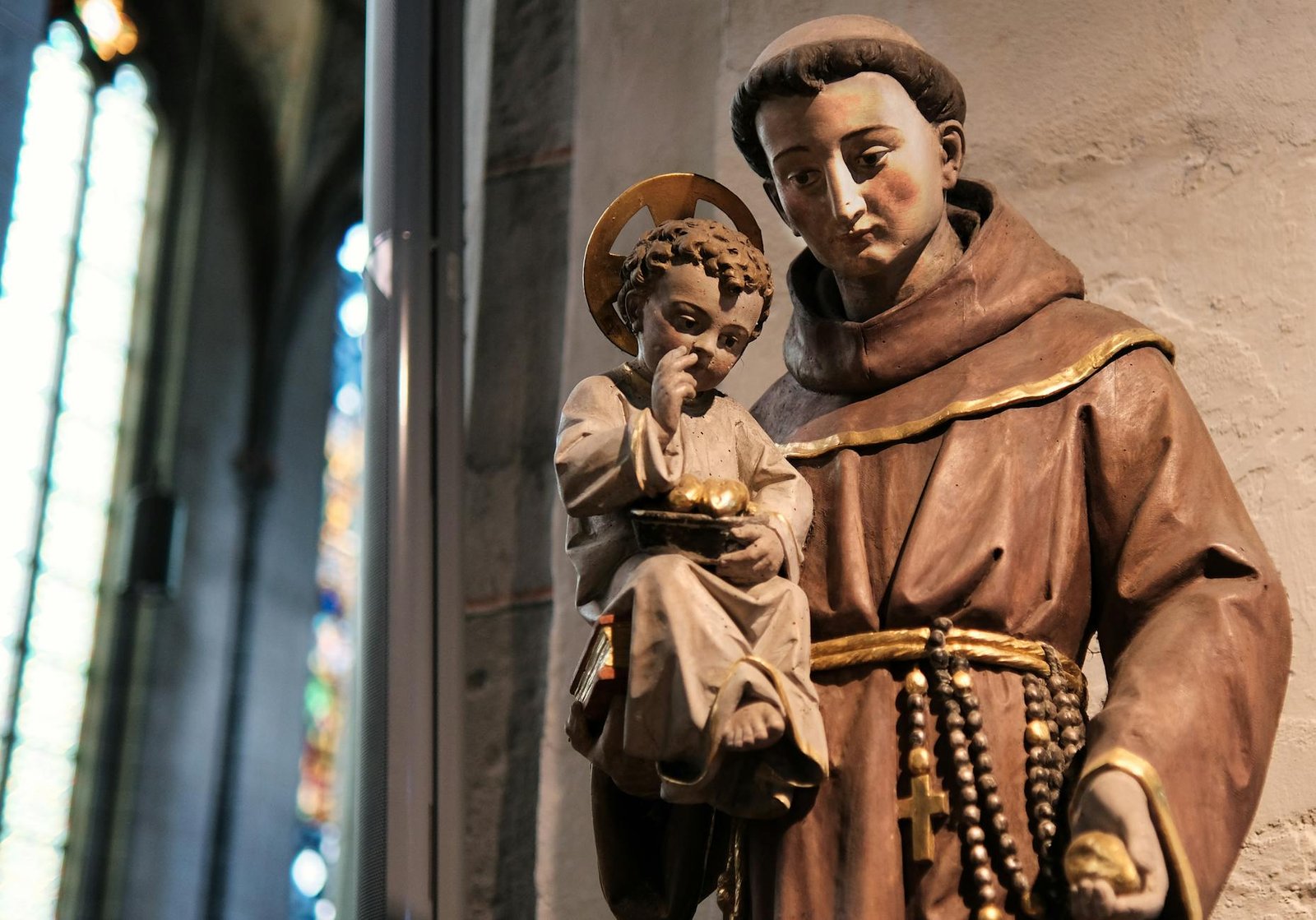
Photo by Wolfgang Krzemien on <a href="https://www.pexels.com/photo/man-in-brown-long-sleeve-dress-shirt-statue-7327278/" rel="nofollow">Pexels.com</a>
Catholic monks have a long and rich history of education, with their monastic communities serving as centers of learning for centuries. Here are several valuable lessons from their approach to learning, education, and teaching:
- The Value of Silence and Reflection: Monks often live in quiet environments, where silence is not just a discipline but an opportunity for deep reflection. In the context of learning, silence can be used for self-reflection and inner contemplation, allowing learners to internalize knowledge and make connections between ideas. This emphasis on quietude fosters the ability to listen, think critically, and cultivate focus.
- Discipline and Routine: Monastic life is characterized by a strict routine that includes periods of prayer, work, and study. This regularity supports deep learning because it establishes a rhythm that helps monks maintain discipline in their study practices. Similarly, learners today can benefit from structured routines that balance focused study, breaks, and leisure time to optimize learning.
- Commitment to Lifelong Learning: Monks often view education as a lifelong journey rather than a phase of life. They emphasize continuous learning through meditation, scriptural study, and personal development. This mindset reinforces the idea that education does not end with formal schooling; it is an ongoing process that involves growth at all stages of life.
- Community and Collaborative Learning: Monks often learn in community settings, engaging in discussions and debates. In many monasteries, monks would study religious texts together, discuss interpretations, and help each other understand complex ideas. This collaborative approach to learning can teach us the importance of learning from peers, sharing knowledge, and engaging in collective inquiry.
- The Integration of Knowledge and Spirituality: For monks, education is not limited to academic learning; it is deeply connected to spiritual growth. They often study theological texts to understand the nature of God, morality, and existence. This integration of intellectual and spiritual pursuits teaches the importance of aligning personal values with knowledge acquisition and suggests that education should nurture the whole person—intellectually, emotionally, and spiritually.
- Personal Responsibility and Autonomy in Learning: While monks have guidance from their superiors, much of their learning is self-directed. This emphasis on personal responsibility for one’s spiritual and intellectual development highlights the importance of cultivating autonomy in learning. It suggests that learners must take ownership of their education, pursue curiosity, and develop the discipline to learn independently.
- The Role of Mentorship and Apprenticeship: Monastic education often involves the guidance of more experienced monks. Young monks would be paired with mentors who help guide their spiritual and intellectual development. This model of mentorship and apprenticeship can be applied to modern education systems, where experienced teachers guide students through complex concepts and offer advice based on experience.
- The Preservation and Sharing of Knowledge: Monasteries were the keepers of knowledge during the Middle Ages, preserving ancient texts and passing them on to future generations. This tradition of safeguarding and sharing knowledge emphasizes the importance of preserving wisdom and teaching it to others, especially through written works, oral traditions, and other forms of transmission.
By applying these lessons, contemporary education can be enriched by a balanced approach that combines disciplined routines, deep personal engagement with knowledge, collaborative learning, and a holistic view of human development.