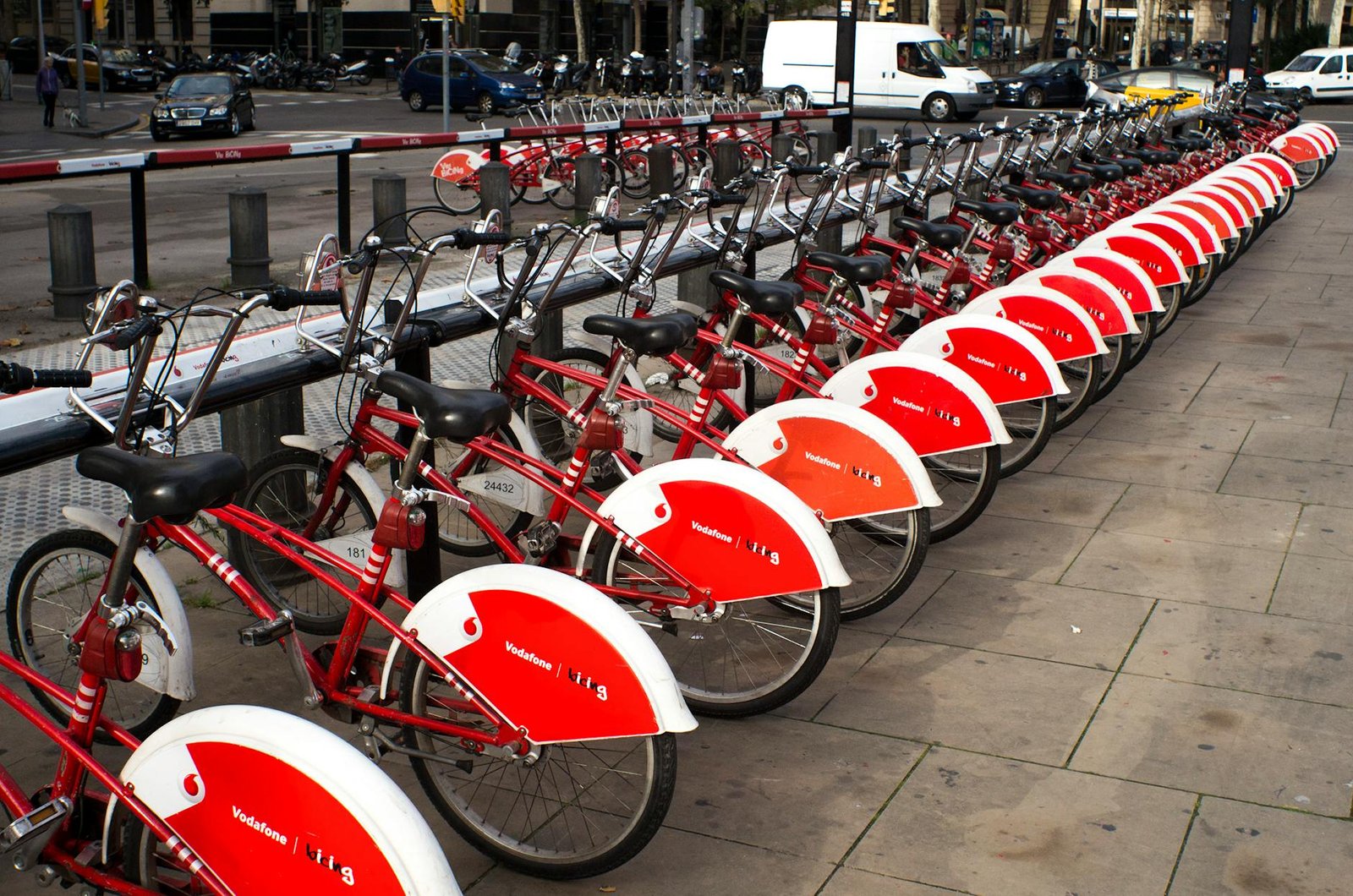
Photo by Carlos Pernalete Tua on <a href="https://www.pexels.com/photo/parked-red-and-white-bicycles-674735/" rel="nofollow">Pexels.com</a>
Bringing the idea and collaborative consumption (also known as the sharing economy) into classroom learning can foster creativity, resourcefulness, and a sense of community among students. Collaborative consumption is based on sharing, exchanging, and collectively using resources, which can be applied to educational settings in meaningful ways. Here’s how you can integrate this concept into classroom learning:
1. Create a Shared Resource Hub
- What to do: Set up a shared space in the classroom where students can contribute and borrow items like books, stationery, art supplies, or even digital resources (e.g., USB drives, calculators).
- Why it works: This teaches students the value of sharing resources, reducing waste, and working together to meet collective needs.
- Example: A “classroom library” where students donate books they’ve read and borrow others they’re interested in.
2. Implement Peer-to-Peer Learning
- What to do: Encourage students to teach and learn from each other. For example, students can lead study groups, share expertise on specific topics, or collaborate on projects.
- Why it works: This mirrors the collaborative consumption model by leveraging the skills and knowledge within the group, rather than relying solely on the teacher.
- Example: A “skill-sharing day” where students teach each other something they’re good at, like drawing, coding, or solving math problems.
3. Collaborative Projects with Shared Tools
- What to do: Assign group projects where students must share tools, materials, or digital platforms to complete the task.
- Why it works: It encourages teamwork, resourcefulness, and the idea that resources are more effective when shared.
- Example: A science project where groups share lab equipment or a digital presentation where students collaborate on a single platform like Google Slides.
4. Introduce a Classroom Economy
- What to do: Create a system where students earn “classroom currency” for participation, kindness, or completing tasks. They can use this currency to “rent” shared items or trade with peers.
- Why it works: It introduces the concept of exchanging value and sharing resources in a structured, fun way.
- Example: Students can “rent” a special chair or borrow a unique art tool for a day using their earned currency.
5. Teach Sustainability Through Sharing
- What to do: Discuss the environmental benefits of collaborative consumption, such as reducing waste and conserving resources. Then, apply these principles in the classroom.
- Why it works: It connects the concept to real-world issues and encourages responsible behavior.
- Example: Start a classroom compost bin or a recycling program where students take turns managing it.
6. Use Technology for Collaborative Learning
- What to do: Leverage digital tools like Google Classroom, Padlet, or Miro to create shared spaces where students can collaborate on assignments, share ideas, and provide feedback.
- Why it works: It mirrors the digital sharing platforms used in the sharing economy (e.g., Airbnb, Uber) and prepares students for a tech-driven world.
- Example: Students collaboratively create a digital presentation or mind map on a topic, with each student contributing their part.
7. Organize a Classroom Swap Event
- What to do: Host a swap day where students bring in items they no longer need (e.g., books, toys, or school supplies) and trade with classmates.
- Why it works: It teaches the value of reusing items and reduces waste while fostering a sense of community.
- Example: A “book swap” where students exchange books they’ve already read.
8. Gamify Collaborative Consumption
- What to do: Turn collaborative consumption into a game where students earn points or rewards for sharing, helping others, or contributing to the classroom community.
- Why it works: It makes the concept fun and engaging while reinforcing positive behaviors.
- Example: A “sharing leaderboard” where students earn points for lending items or helping peers.
9. Discuss Real-World Examples
- What to do: Analyze real-world examples of collaborative consumption, such as car-sharing services, tool libraries, or co-working spaces. Discuss how these models work and their benefits.
- Why it works: It helps students understand the broader applications of the concept and its impact on society.
- Example: Have students research and present on a sharing economy platform like Airbnb or Freecycle.
10. Encourage Reflection and Critical Thinking
- What to do: After implementing collaborative consumption activities, have students reflect on their experiences. Ask questions like, “How did sharing resources benefit the group?” or “What challenges did you face?”
- Why it works: Reflection helps students internalize the lessons and think critically about the concept.
- Example: A class discussion or journal entry on the benefits and challenges of sharing.
By integrating collaborative consumption into classroom learning, you not only teach students about sharing and sustainability but also foster a sense of community, teamwork, and innovation. These skills are essential for their future in a world that increasingly values collaboration and resourcefulness.