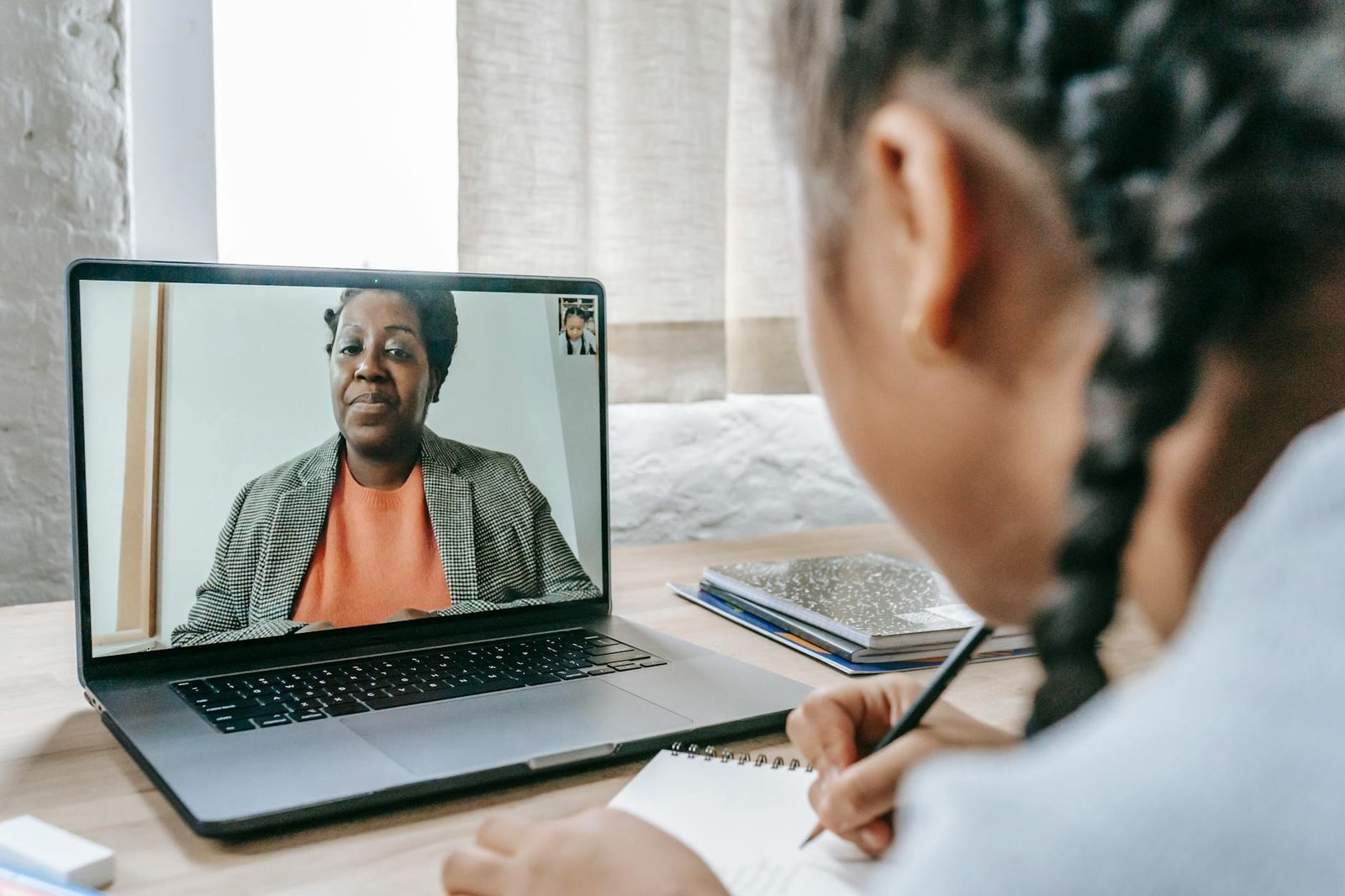
Photo by Katerina Holmes on <a href="https://www.pexels.com/photo/diligent-ethnic-girl-writing-notes-while-tutor-giving-lesson-online-5905705/" rel="nofollow">Pexels.com</a>
In recent years, the education landscape has undergone significant transformations, driven by advances in technology and evolving learner needs. Among these innovations, blended learning has emerged as a powerful approach, seamlessly combining traditional face-to-face teaching with modern digital tools. This method is redefining the way we teach and learn, offering flexibility, personalization, and enhanced engagement.
What is Blended Learning?
Blended learning, also known as hybrid learning, integrates in-person instruction with online educational resources and interactive activities. It aims to leverage the strengths of both traditional and digital environments to create a more effective learning experience. For example, a student might attend lectures in a classroom setting while completing assignments, quizzes, or discussions online.
Key Benefits of Blended Learning
- Flexibility: Students can access digital resources anytime and anywhere, allowing them to learn at their own pace. This flexibility is particularly beneficial for working professionals, parents, or students with diverse schedules.
- Personalized Learning: Blended learning often incorporates adaptive technologies that tailor content to individual learning styles, strengths, and weaknesses. This ensures that every student receives a more customized educational experience.
- Enhanced Engagement: The integration of multimedia, interactive quizzes, and gamified elements can make learning more engaging and enjoyable. It also helps maintain students’ attention, especially for challenging subjects.
- Efficient Use of Classroom Time: By shifting certain aspects of instruction online (e.g., lectures or foundational concepts), classroom time can focus on discussions, collaborative projects, and hands-on activities that deepen understanding.
- Improved Learning Outcomes: Studies suggest that blended learning can lead to better retention and comprehension compared to traditional methods alone, as it combines diverse modes of instruction.
Popular Models of Blended Learning
There are several models of blended learning, each designed to suit different educational contexts:
- Flipped Classroom: Students review lecture materials or videos online before class, while classroom time is used for interactive discussions or problem-solving activities.
- Rotation Model: Learners rotate between different modalities, such as online modules, teacher-led instruction, and group activities.
- Self-Blended Model: Students independently choose to supplement their in-class learning with online courses or resources.
- Enriched Virtual Model: This approach primarily uses online instruction, with occasional in-person sessions for mentoring or lab work.
Challenges and Considerations
Despite its many advantages, blended learning also presents challenges that educators and institutions must address:
- Digital Divide: Not all students have equal access to technology or high-speed internet, creating disparities in learning opportunities.
- Teacher Training: Educators need adequate training to effectively integrate digital tools into their teaching practices.
- Student Motivation: Self-paced online components require discipline and motivation, which can be challenging for some learners.
- Content Design: Creating engaging, high-quality online materials demands time, effort, and expertise.
The Future of Blended Learning
As technology continues to evolve, the potential for blended learning is limitless. Innovations like artificial intelligence, virtual reality, and augmented reality are poised to make learning experiences even more immersive and personalized. Moreover, the global shift towards online education during the pandemic has demonstrated the viability and effectiveness of hybrid models on a larger scale.
Conclusion
Blended learning represents a harmonious blend of tradition and innovation, offering the best of both worlds. By combining the human touch of face-to-face instruction with the efficiency and adaptability of digital tools, it provides a robust framework for education in the 21st century. As we move forward, embracing and refining this approach will be key to meeting the diverse needs of learners and preparing them for a dynamic, technology-driven world.