Skip to content

Learning-Science Digest

Fringe of Human Learning Technology and Emergence

Categories

  • 4E Cognition
  • Ability grouping
  • Accelerated learning
  • Acting/ Role play
  • Active learning
  • Active/ Action learning
  • Activities
  • Adaptive Learning
  • Administration & Leadership
  • Affordances
  • After-School Programs
  • Agency/ Autonomy
  • Analogy & Analogy based Learning
  • Anchored Instruction
  • Andragogy
  • Anthropology/ Ethnographic learning
  • Apprenticeship
  • Approaches
  • Apps
  • Artificial Intelligence
  • Assessment
  • Asynchronous Learning
  • Attitude
  • Banking model
  • Behavior Design
  • Behavioural
  • Belonging
  • Biology
  • Blended, Flipped, etc
  • books
  • Brain
  • Bricolage
  • Catholic Education
  • Causation
  • Coaching
  • Cognitive Diversity
  • Cognitive Load
  • Cognitive Science
  • Collaborative learning
  • Communities of practice
  • Competency-Based Learning
  • Complexity Theory
  • Compliance Training
  • Computational Learning
  • Computer Based Math
  • Concept Differences
  • Concept similarity
  • Connected Learning
  • Connectivism
  • Constraints
  • Constraints-Led Approach
  • Constructionism
  • Constructivism
  • Contextualized Learning
  • Contrast and Polarity
  • Courses
  • Creativity/ Innovation
  • Critical articles
  • Critical Pedagogy
  • Critical Thinking
  • Cultural Intelligence
  • Cultural Learning
  • Cumulative culture
  • Curriculum
  • Curriculum Design
  • Deliberate Practice
  • Design Science/ Approaches
  • Desirable Difficulty
  • Dialogic Learning
  • Differential learning
  • Digital Learning
  • Direct Instruction/ KLC
  • Disability and Learning
  • Discovery Learning
  • Discussion/ Debate
  • Disposition/Propensity
  • Distributed Cognition/ Learning
  • DIY learning/ Edupunk
  • Dynamics and learning
  • Early Intervention
  • Ecological Approch
  • Ecological Dynamics
  • Ed-tech
  • Education
  • Education Models
  • Education Policy
  • Education Thinkers
  • Effectuation
  • Elaboration
  • Embedded Cognition
  • Embodied Cognition
  • Emergence
  • Emergency learning
  • Emerging technology
  • Emulative learning
  • Enactive learning
  • Enskilment
  • Entangled pedagogy
  • Entrepreneurial Learning
  • Ethics and Moral learning
  • Evaluation
  • Evidence
  • Evolution and Learning
  • Exams
  • Exaptation
  • Exercise
  • Experiential Learning
  • Expertise
  • Explicit instruction
  • Extended Cognition
  • Family/ Religion
  • Feedback
  • Frameworks
  • Future Of Learning
  • Games/ Gamification
  • Generation Effect
  • Generative AI
  • Genius
  • Geragogy
  • Grading
  • Happiness and learning
  • Heuristics
  • Heutagogy
  • Higher Education
  • History Of Education
  • Home Slider
  • Home/ Home Schooling/ Learning
  • Homework
  • Human Machine Interface
  • Humor
  • Hypercorrection
  • Improvisation
  • Informal Learning
  • Innovation
  • Inquiry
  • Instructional Design
  • Instrumentalism
  • Intelligence
  • Interviews
  • Job training
  • Knowledge Rich Curriculum
  • Knowledge: Types. etc.
  • Labelling
  • Language Learning
  • Law and Legal Learning
  • Learning and Development
  • Learning Difficulties
  • Learning Environments
  • Learning for life
  • Learning in Chaos
  • Learning in complexity
  • Learning Management System
  • Learning Myths
  • Learning Programming
  • Learning Science
  • Learning Stations
  • Learning Systems
  • Learning Techniques/Methods
  • Learning Thinkers
  • Learning under anxiety/pressure/stress
  • Learning/ Teaching Strategies
  • Learning/ Understanding By Design
  • Looping effect
  • Maker Learning
  • Mastery
  • Mathew Effect
  • Maths Learning
  • Measurement
  • Medical Education/Learning
  • Memory
  • Meta-Analysis
  • Meta-Cognition
  • mindset
  • Mnemonics
  • Montessori
  • Motivation
  • Motor Learning
  • Music/ Arts and Learning
  • Mystagogy
  • Needs and Need based Learning
  • Networked Learning
  • Networks and Ecosystem
  • Neurodivergence
  • Neuroscience
  • Non Computational
  • Non-Representational
  • Nonlinear Pedagogy
  • Novelty and learning
  • Observational learning
  • On-the-Job Training
  • Online and MOOC Learning
  • outdoor-education
  • Pedagogy
  • Peer Learning
  • Personalized Learning
  • Philosophy Of Education
  • Philosophy Of Learning
  • Philosophy Of Science
  • Place-Based Learning
  • Play/ Ludic Pedagogy
  • Policy
  • Pragmatism
  • Problem-based learning
  • Productive Failures
  • Professional education
  • Professional Learning
  • Progressive Education
  • Project Based Learning
  • Proximity and Learning
  • Psychological Issues
  • Question asking/ Question design
  • Reading , Literacy , etc
  • Recognition
  • Reification/ Reductionism
  • Relational Expertise
  • Relational Learning
  • Religion
  • Research
  • Resting/ offline consolidation
  • Retrieval
  • Salience/Closeness
  • Scaffolding
  • Science Of Learning
  • self-efficacy
  • Self-Organization
  • Self-Paced Learning
  • Self-Regulated/ Self-Directed
  • Service Learning
  • Short Concept Introduction
  • Signalling
  • Simulation or Simulative Learning
  • Situated Learning
  • Skill
  • Sleep and Rest
  • Social Effects
  • Social Learning
  • Social-emotional learning
  • Society-Ecosystem etc
  • Socioeconomic Factors
  • Sociology Of Learning
  • Software And Technology Review
  • Speaking/Public Speaking
  • Spiral design
  • Sports learning
  • Sports Science
  • Story/Narrative based learning
  • Studying
  • Teacher/ teaching
  • Testing
  • Theology and learning
  • Theories
  • Tools, Aids, Artifacts
  • Training
  • Training Needs Analysis
  • Transdisciplinary/ Interdisciplinary, etc
  • Transfer Of Learning
  • Trending News
  • Uncategorized
  • Uncertainty and learning
  • Variable Practice
  • Vicarious learning
  • Video playlist
  • Virtual, Augmented, etc
  • Visible Learning/ Hattie
  • Visual Learning/Drawing
  • Vocational Education
  • Wakeful Resting
  • Work Place Learning
  • Workshop Model
  • Zone of Proximal Development (ZPD)
Primary Menu
  • Home
  • About
  • Thinkers
    • Learning Thinkers
    • Education Thinkers
  • Design For Learning
    • Design Science/ Approaches
    • Instructional Design
    • Behavior Design
    • Curriculum Design
    • Learning/ Understanding By Design
    • Motivation
    • Ecological Approch
    • Blended, Flipped, etc
    • Games/ Gamification
  • Tools/Techniques/Methods
    • Learning Techniques/Methods
    • Education Models
    • Testing
    • Retrieval
    • Blended, Flipped, etc
    • Differential learning
    • Dialogic Learning
    • Computer Based Math
    • Tools, Aids, Artifacts
    • Knowledge Rich Curriculum
    • Cognitive Load
    • Online and MOOC Learning
    • Scaffolding
    • Contrast and Polarity
    • Play/ Ludic Pedagogy
    • Problem-based learning
    • Cultural Learning
    • Direct Instruction/ KLC
    • Deliberate Practice
    • Visual Learning/Drawing
    • Games/ Gamification
    • Acting/ Role play
    • Analogy & Analogy based Learning
    • Inquiry
    • Improvisation
    • Constructionism
    • Situated Learning
    • Productive Failures
    • Anthropology/ Ethnographic learning
    • Project Based Learning
    • Connected Learning
    • Nonlinear Pedagogy
    • Personalized Learning
    • Maker Learning
    • Virtual, Augmented, etc
    • Service Learning
    • Constructivism
    • Connectivism
    • Vicarious learning
    • Active/ Action learning
    • Computational Learning
    • Relational Learning
    • Apprenticeship
    • Communities of practice
    • Home/ Home Schooling/ Learning
    • Contextualized Learning
    • DIY learning/ Edupunk
    • Constraints-Led Approach
    • Peer Learning
  • Domains
    • Language Learning
    • Entrepreneurial Learning
    • Maths Learning
    • Sports Science
    • Theology and learning
    • Sports learning
    • Professional education
    • Law and Legal Learning
    • Catholic Education
    • Higher Education
    • Medical Education/Learning
    • Work Place Learning
    • Learning Programming
    • On-the-Job Training
    • Job training
    • Compliance Training
  • Approaches
    • Neuroscience
    • Social Learning
    • Ecological Approch
    • 4E Cognition
    • Active learning
    • Transfer Of Learning
    • Cumulative culture
    • Embodied Cognition
    • Evolution and Learning
    • Embedded Cognition
    • Differential learning
    • Dialogic Learning
    • Experiential Learning
    • Learning Environments
    • Cultural Intelligence
    • Enactive learning
    • Constraints-Led Approach
    • Non-Representational
    • Self-Organization
    • Relational Learning
    • Relational Expertise
    • Enskilment
    • Extended Cognition
    • Distributed Cognition/ Learning
  • Artificial Intelligence
  • Education Policy
  • Expertise
Subscribe or Login
  • Home
  • Approaches
  • A Comprehensive Guide to 51 Learning and Educational Approaches
  • Approaches
  • Learning Techniques/Methods

A Comprehensive Guide to 51 Learning and Educational Approaches

kiran Johny July 30, 2023
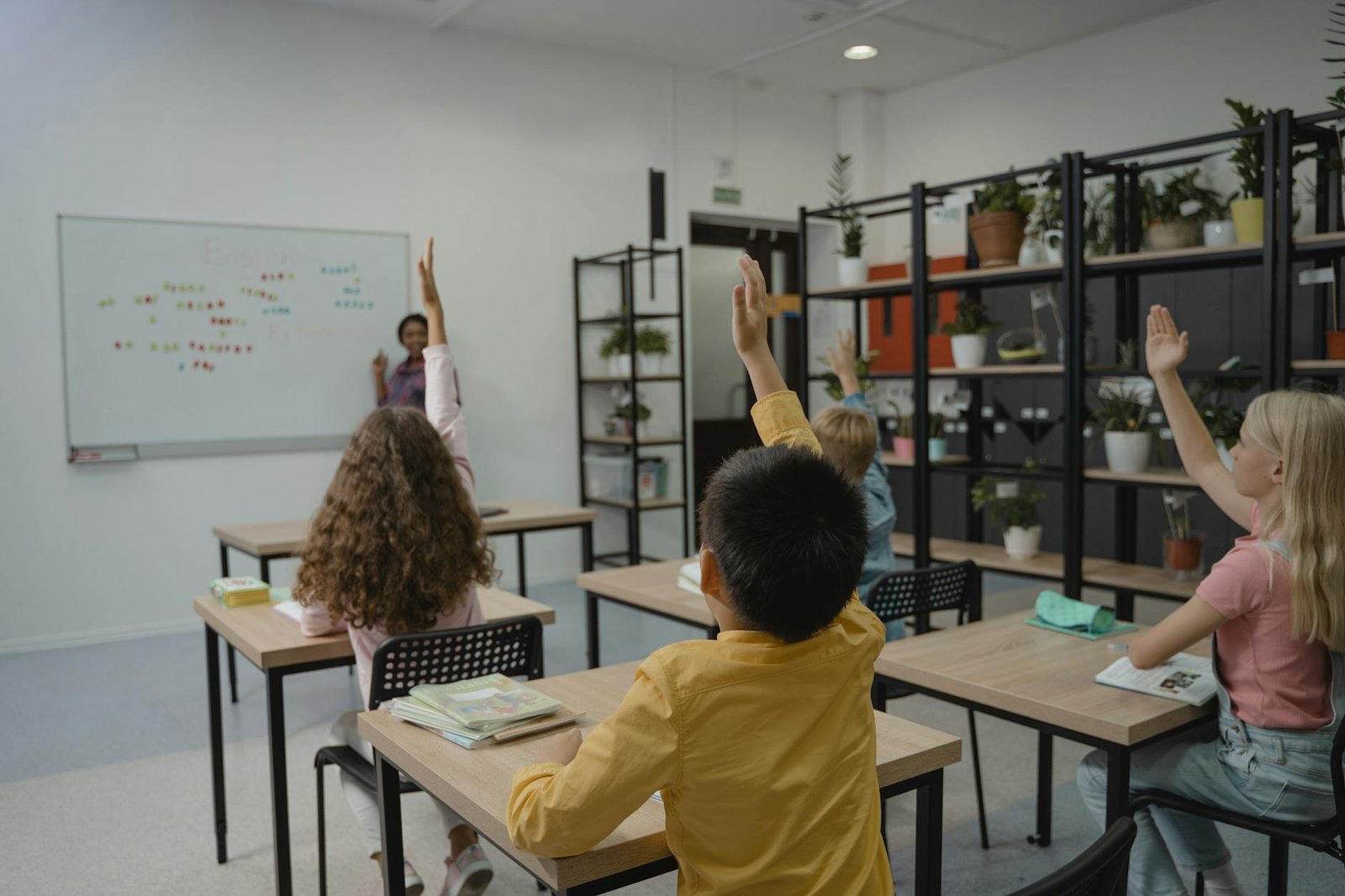
students with their hands raised

Photo by Tima Miroshnichenko on <a href="https://www.pexels.com/photo/students-with-their-hands-raised-5428003/" rel="nofollow">Pexels.com</a>

1. Blended Learning: Blends traditional face-to-face instruction with online learning. Students access resources online and interact with instructors and peers in person for a more comprehensive learning experience.

2. Flipped Classroom: Reverses traditional teaching methods. Students learn content at home through videos or readings, reserving class time for interactive, hands-on activities and discussions.

3. Project-Based Learning (PBL): Students engage in extended projects that solve real-world problems. This approach develops critical thinking, collaboration, and problem-solving skills.

4. Experiential Learning: Focuses on learning through experience. Students actively participate in activities, reflect on experiences, and apply knowledge in practical settings.

5. Adaptive Learning: Uses technology to tailor educational experiences to individual learners’ needs, ensuring personalized and effective learning paths.

6. Competency-Based Learning: Students progress by demonstrating mastery of specific skills or knowledge, rather than time spent in class, emphasizing outcomes over process.

7. Inquiry-Based Learning: Encourages students to ask questions, conduct investigations, and build knowledge through curiosity-driven exploration.

8. Case-Based Learning: Uses real-life scenarios or case studies to develop problem-solving and analytical skills, often employed in professional education like law or medicine.

9. Brain-Based Learning: Leverages neuroscience research to optimize learning by aligning teaching strategies with how the brain processes information.

10. Collaborative Learning: Students work together in groups to solve problems, complete tasks, or create projects, fostering teamwork and communication skills.

11. Gamified Learning: Incorporates game elements like points, levels, and challenges to make learning engaging and motivating.

12. Self-Paced Learning: Learners progress at their own pace, allowing for flexibility and personalized understanding of material.

13. Socratic Seminars: Facilitates critical thinking and dialogue through guided discussions based on open-ended questions, often centered on texts.

14. Phenomenon-Based Learning: Focuses on studying phenomena across multiple disciplines, encouraging integrative and holistic understanding.

15. Design Thinking: Applies creative problem-solving techniques to identify, prototype, and solve real-world challenges.

16. Personalized Learning Paths: Tailors education to individual goals, strengths, and needs, providing customized content and pacing.

17. Peer-to-Peer Learning: Students learn from each other through discussions, teaching, and collaborative activities.

18. Service Learning: Combines community service with academic learning objectives, fostering civic responsibility and real-world impact.

19. Scenario-Based Learning: Engages learners in simulated scenarios to apply knowledge and develop decision-making skills in context.

20. Role-Playing or Simulation Learning: Encourages students to assume roles and act out scenarios, enhancing empathy, problem-solving, and understanding.

21. Anchored Instruction: Learning is contextualized within a story or problem, making content more relatable and engaging.

22. Hybrid Flexible (HyFlex) Learning: Offers flexibility by allowing students to choose between in-person, online synchronous, or online asynchronous participation.

23. Cohort-Based Learning: Learners move through a course or program as a group, fostering peer support and a sense of community.

24. Ecosystem Learning: Integrates formal and informal learning experiences within a broader system, such as communities or industries.

25. Microlearning: Delivers bite-sized, focused content for quick learning and retention, often through digital platforms.

26. Design-Based Research (DBR): A research approach that iteratively designs and studies educational interventions in real-world settings.

27. Heuristic Learning: Students learn through discovery and trial-and-error, developing intuition and problem-solving skills.

28. Cross-Disciplinary Learning: Integrates multiple disciplines to explore complex topics, fostering a broader perspective and creativity.

29. Montessori-Inspired Learning: Focuses on student-led, hands-on learning with specially designed materials in a prepared environment.

30. Learning Journals: Encourages reflection and deeper understanding by having students record insights and questions in a journal.

31. Outdoor Education: Takes learning outside the classroom, using nature and the environment as a context for exploration and discovery.

32. Studio-Based Learning: Common in creative fields, this approach emphasizes critique, iteration, and collaboration in studio settings.

33. Place-Based Learning: Centers learning around local environments and communities to connect students with their immediate world.

34. Apprenticeship Model: Learners acquire skills under the guidance of an expert, blending theoretical knowledge with practical application.

35. Narrative-Based Learning: Uses storytelling to convey concepts and engage students emotionally and intellectually.

36. Cultural Exchange Learning: Fosters global awareness and empathy through interactions and exchanges with diverse cultures.

37. Team Teaching: Involves multiple instructors collaborating to plan and deliver lessons, enriching perspectives and expertise.

38. Learning Stations: Students rotate through different stations, each offering a unique activity or focus area.

39. Social Learning: Emphasizes learning through observation, imitation, and collaboration within social contexts.

40. Mind Mapping and Visual Learning: Uses diagrams, charts, and visual tools to organize information and stimulate creativity.

41. Critical Pedagogy: Encourages critical thinking and questioning of societal structures, aiming for empowerment and social justice.

42. Shadowing: Learners observe professionals in their work environment to gain insights into specific roles or industries.

43. Ethnographic Learning: Involves immersive observation and participation in cultural or community practices to understand perspectives.

44. Holistic Education: Focuses on developing the whole person—mind, body, and spirit—to foster well-rounded growth.

45. Learning Through Play: Integrates play into learning, promoting creativity, exploration, and problem-solving in a relaxed environment.

46. Massive Open Online Courses (MOOCs): Online courses accessible to a large audience, often free, covering diverse subjects and skills.

47. Scaffolded Learning: Provides temporary support to help students achieve learning goals, gradually reducing assistance as competence increases.

48. Brainstorming and Ideation Workshops: Facilitates group creativity and idea generation to solve problems or innovate solutions.

49. Tech-Free Learning: Encourages learning without digital devices, focusing on interpersonal interactions and hands-on activities.

50. Ethical Pedagogy: Incorporates ethical reasoning and moral development into education, fostering responsible citizenship.

51. Workshop Model: Organizes learning into focused sessions with hands-on activities, discussions, and skill-building exercises.

Conclusion:

Each of these approaches offers unique benefits and caters to different learning styles and objectives. By blending and adapting these strategies, educators can create dynamic and effective learning environments tailored to diverse learners.

Continue Reading

Previous: Exploring Legitimate Peripheral Participation: How Novices Become Experts
Next: The Power of Peer Learning: Unlocking Potential Through Collaboration

Categories

Archives

  • September 2025
  • July 2025
  • June 2025
  • May 2025
  • April 2025
  • March 2025
  • February 2025
  • January 2025
  • December 2024
  • November 2024
  • October 2024
  • September 2024
  • August 2024
  • July 2024
  • June 2024
  • May 2024
  • April 2024
  • March 2024
  • February 2024
  • January 2024
  • December 2023
  • November 2023
  • October 2023
  • September 2023
  • August 2023
  • July 2023
  • June 2023
  • May 2023
  • April 2023
  • March 2023
  • February 2023
  • January 2023
  • December 2022
  • November 2022
  • October 2022
  • September 2022
  • August 2022
  • July 2022
  • June 2022
  • May 2022
  • April 2022
  • March 2022
  • February 2022
  • January 2022
  • December 2021
  • November 2021
  • October 2021
  • September 2021
  • August 2021
  • July 2021
  • June 2021
  • May 2021
Copy Right © 2025–2026 Learning Science Digest (lsdigest.com). All rights reserved.

Copyright © 2025-2026 LsDigest.com

Copyright © 2025-2026 LsDigest.com | MoreNews by AF themes.