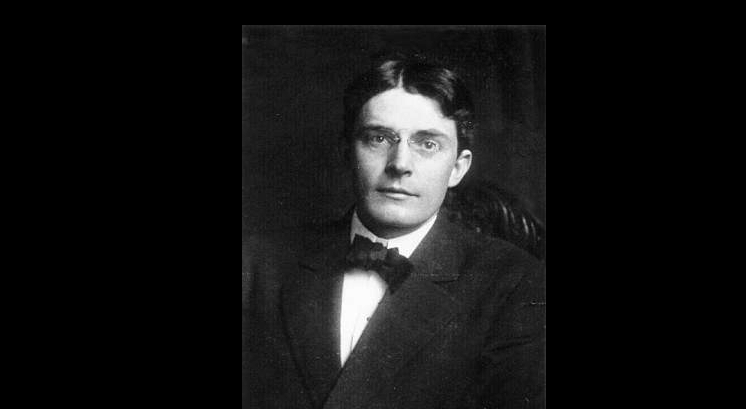
Part of a blog series covering the seminal papers in learning—this entry inaugurates the Behaviorism sub-series with the manifesto that founded the school and set the terms of debate for half a century.
In 1913, John B. Watson, then a professor at Johns Hopkins University, published a 20-page article in Psychological Review that functioned less as a research report than as a secessionist manifesto. “Psychology as the Behaviorist Views It” announced that psychology should abandon its traditional subject matter—consciousness—and reconstitute itself as “a purely objective experimental branch of natural science” whose “theoretical goal is the prediction and control of behavior.” Introspection, Watson declared, “forms no essential part of its methods, nor is the scientific value of its data dependent upon the readiness with which they lend themselves to interpretation in terms of consciousness.”