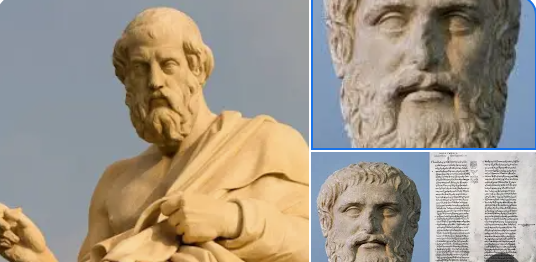
Plato, one of the most influential philosophers in Western thought, offered profound insights into learning and education. His ideas, primarily expressed through dialogues like The Republic, remain foundational to educational philosophy. Below are 10 key points summarizing his views:
1. Education Shapes Character
Plato believed that education is not merely about acquiring knowledge but also about forming moral character. He emphasized that a proper cultural and intellectual upbringing could instill virtues such as grace, elegance, and a love for beauty, preparing individuals to embrace reason later in life.
2. Early Education Requires Strict Control
For young learners, Plato advocated strict supervision of their environment. He argued that children absorb impressions easily, and exposing them prematurely to inappropriate influences—such as violent or vulgar literature—could harm their fragile propensity for rational thought.
3. Mathematics Cultivates Abstract Thinking
Plato saw mathematics as essential for higher education because it trains the mind to think abstractly and logically. By dealing with timeless concepts like numbers, mathematics directs the soul toward understanding the “utterly real” realm of Forms.
4. Philosophy Leads to True Knowledge
According to Plato, philosophy—or dialectic—is the pinnacle of education. It reorients the mind from mundane concerns to “true daylight,” enabling individuals to grasp the ultimate Form of the Good, which underpins all truth and reality.
5. Rational Understanding Comes Later
Plato cautioned against introducing advanced philosophical reasoning too early. He believed that premature attempts to engage children in complex rational debates would make them rebellious and disrespectful of traditional wisdom. Instead, they should first develop affective dispositions conducive to enlightenment.
6. Learning Involves Recollection
In works like Meno, Plato introduced the idea that learning is a process of recollection. He posited that humans possess innate knowledge acquired before birth during their pre-bodily existence when souls were acquainted with the Forms. Teachers merely help students “remember” this latent knowledge.
7. Literature Must Be Ethically Uplifting
Plato criticized much of the literature of his time, including works by Homer, for failing to inspire virtue. He proposed banning poets who appealed to emotions rather than reason, allowing only art that promotes ethical clarity and moral development.
8. Equality in Education
Although elitist by modern standards, Plato was progressive for his era in advocating equal educational opportunities for men and women. He argued that natural ability, not gender, should determine access to higher education.
9. Education Serves Both Individual and Society
Plato’s vision of education extended beyond personal growth to societal well-being. In The Republic, he outlined an educational system designed to produce philosopher-kings capable of governing justly. This analogy underscored the importance of aligning individual faculties (like reason) with societal roles.
10. Autonomy Through Discipline
Contrary to contemporary notions of autonomy, Plato believed true independence arises from disciplined initiation into rational enquiry. Encouraging young people to “choose their own values” without guidance risks fostering insouciance rather than genuine self-governance.
Final Thoughts
Plato’s philosophy of education reflects his deep commitment to morality, reason, and unity. While some aspects of his approach may seem paternalistic or impractical today, his emphasis on cultivating both intellect and character continues to resonate. As we navigate modern debates about standardized testing, creativity in classrooms, and the role of technology in learning, Plato reminds us that education must ultimately aim at nurturing wise, virtuous, and fulfilled human beings.
About the Author
