
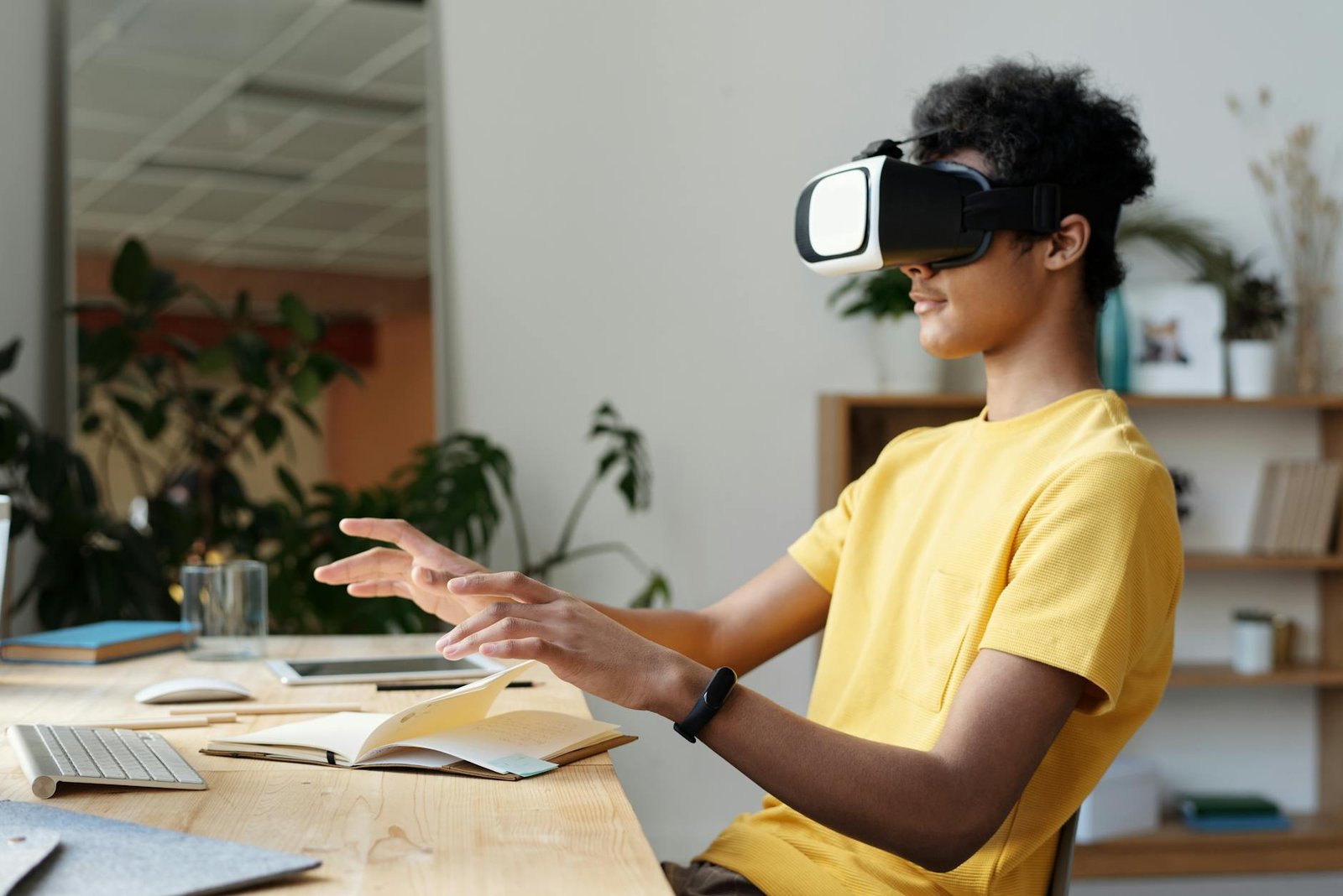
Gamification and gamified learning have taken the world by storm in recent years, promising to revolutionize how we engage with tasks and learn new skills. By introducing game-like elements such as points, badges, leaderboards, and challenges, gamification taps into our innate love for play and competition. However, while the concept is exciting, its implementation is fraught with challenges, particularly when it comes to maintaining meaningful motivation.
This blog post explores the motivational pitfalls of gamification and gamified learning, focusing on the phenomenon of motivation crowding—a crucial but often overlooked aspect of human behavior.
The Promise of Gamification
Gamification is rooted in the idea that game mechanics can make mundane tasks more engaging. Whether it’s turning fitness goals into a game or encouraging students to learn through interactive quizzes, the approach has undeniable appeal.
In education, gamified learning seeks to:
- Foster engagement.
- Increase persistence.
- Make complex tasks more approachable.
- Promote active learning.
Yet, the question remains: Does gamification always achieve these objectives?
The Dark Side of Gamification
- Superficial Engagement: Gamification often prioritizes external rewards, such as points or badges, over intrinsic engagement. While this can generate initial excitement, it risks creating shallow participation. Learners may focus on achieving the reward rather than deeply engaging with the task or understanding the material.
- Overemphasis on Competition: Leaderboards can alienate those who consistently rank lower, leading to feelings of inadequacy or disengagement. Instead of fostering a collaborative environment, excessive competition can divide participants.
- Reward Dependency: By tying achievements to rewards, gamification risks fostering dependency on external incentives. Once the rewards disappear, so does the motivation to continue the activity.
- Lack of Personalization: Not everyone is motivated by the same game mechanics. Some learners thrive on challenges, while others prefer exploration or collaboration. A one-size-fits-all approach can alienate certain groups.
Motivation Crowding: The Core Issue
Motivation crowding refers to the interplay between intrinsic and extrinsic motivation. Intrinsic motivation arises from within—a genuine interest or enjoyment in the task itself. Extrinsic motivation, on the other hand, comes from external rewards or pressures.
Gamification’s reliance on external rewards can lead to two key problems:
- Crowding Out Intrinsic Motivation: When people engage in an activity they initially enjoy (intrinsic motivation), introducing external rewards can diminish their inherent interest. For example, a student who loves solving math problems might lose that joy if solving problems becomes solely about earning points.
- Overjustification Effect: Related to motivation crowding, this occurs when external rewards overshadow intrinsic reasons for participation. Once the rewards are removed, individuals may no longer feel compelled to engage in the activity, as their internal drive has been undermined.
Solutions to Overcome Motivational Challenges
To address these challenges and avoid motivation crowding, gamified systems must be designed thoughtfully:
- Emphasize Meaning and Mastery: Encourage learners to focus on skill development, mastery, and the purpose behind their actions. Rewards should highlight achievements rather than overshadow the intrinsic value of the activity.
- Foster Autonomy: Give participants the freedom to choose how they engage with tasks. Autonomy supports intrinsic motivation by allowing learners to feel ownership over their learning journey.
- Incorporate Multiple Motivational Pathways: Design systems that cater to diverse preferences. For instance, include opportunities for exploration, collaboration, and creativity alongside competition.
- Use Rewards as Tools, Not Goals: Rewards should serve as feedback, recognizing effort and progress rather than acting as the primary motivator. This ensures they complement rather than compete with intrinsic motivation.
- Create a Balanced System: Integrate both intrinsic and extrinsic motivators, ensuring they reinforce rather than undermine each other. For example, leaderboards can be paired with collaborative challenges to reduce the adverse effects of competition.
Final Thoughts
Gamification and gamified learning have tremendous potential, but their effectiveness depends on thoughtful implementation. By understanding the motivational pitfalls and the dynamics of motivation crowding, educators and designers can create systems that inspire meaningful engagement and sustained learning.
The ultimate goal should not just be participation but fostering a genuine love for learning and a desire to grow. By aligning gamification strategies with intrinsic motivations, we can unlock its true power—creating experiences that are not only fun but also deeply fulfilling.
About the Author
