
Intro:
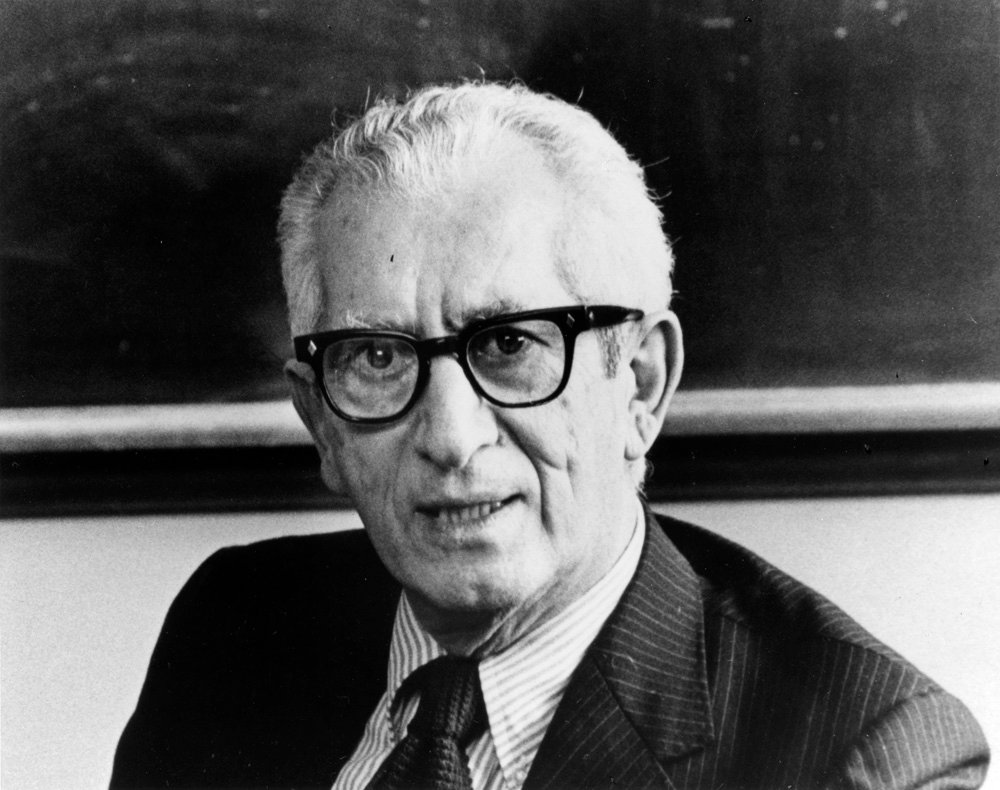
Benjamin S. Bloom, a pioneering psychologist and authority in educational measurement, reshaped the way we think about learning, teaching, and student potential. His groundbreaking theories, such as Mastery Learning and the Taxonomy of Educational Objectives, have influenced generations of educators and researchers. Here are 10 transformative insights from Bloom’s work that continue to inspire modern education.
1. Mastery Learning Can Transform Education
Bloom argued that 90-95% of students can achieve mastery in basic concepts if given enough time and tailored instruction, challenging the traditional notion of fixed individual differences.
2. Time is More Important Than Aptitude
Inspired by John Carroll’s model, Bloom emphasized that time, not inherent aptitude, is the key factor in determining school achievement—especially when instruction is personalized.
3. Cognitive Entry Behavior Matters
Understanding a student’s starting point—their prior knowledge and skills—can reduce achievement gaps by up to 50%, according to Bloom’s research on adapting teaching methods.
4. Motivation is Crucial for Success
By fostering positive initial motivation, educators can bridge another 25% of achievement differences, highlighting the importance of affective entry behavior in learning.
5. The Power of Individualized Instruction
Bloom championed radical individualization in teaching pace and methods, showing how personalized approaches could help nearly all students reach learning goals.
6. Challenging the Bell Curve
Bloom rejected the idea that student performance should naturally follow a bell curve, advocating instead for systems that allow most learners to succeed with proper support.
7. The 2 Sigma Problem
Through his research, Bloom demonstrated that group instruction could approach the effectiveness of one-to-one tutoring (a +2 sigma improvement) with innovative teaching strategies.
8. Talent Development Requires Support
His studies on gifted individuals revealed that world-class success often stems from hard work, supportive environments, and deliberate practice—not just innate talent.
9. Taxonomy of Educational Objectives
Bloom’s framework classified learning into cognitive, affective, and psychomotor domains, providing educators with tools to design clear, measurable learning objectives.
10. Redefining Educational Equity
Bloom believed modern societies must move beyond selecting talented students to actively developing abilities in all children, ensuring equitable access to quality education.
Closing Thoughts:
Benjamin S. Bloom’s contributions remind us that education is not a static system but an evolving field capable of unlocking human potential. By embracing his insights, educators and policymakers can create inclusive, effective learning environments where every child thrives.
About the Author
