
Learning is an adaptive process, deeply rooted in our brain’s capacity to respond to uncertainty and change. A fascinating study by Yale researchers Daeyeol Lee, Bart Massi, and Christopher H. Donahue, published in the journal Neuron, sheds light on how stability—often viewed as desirable in life—can paradoxically hinder our ability to learn.
The Experiment: Learning and Uncertainty
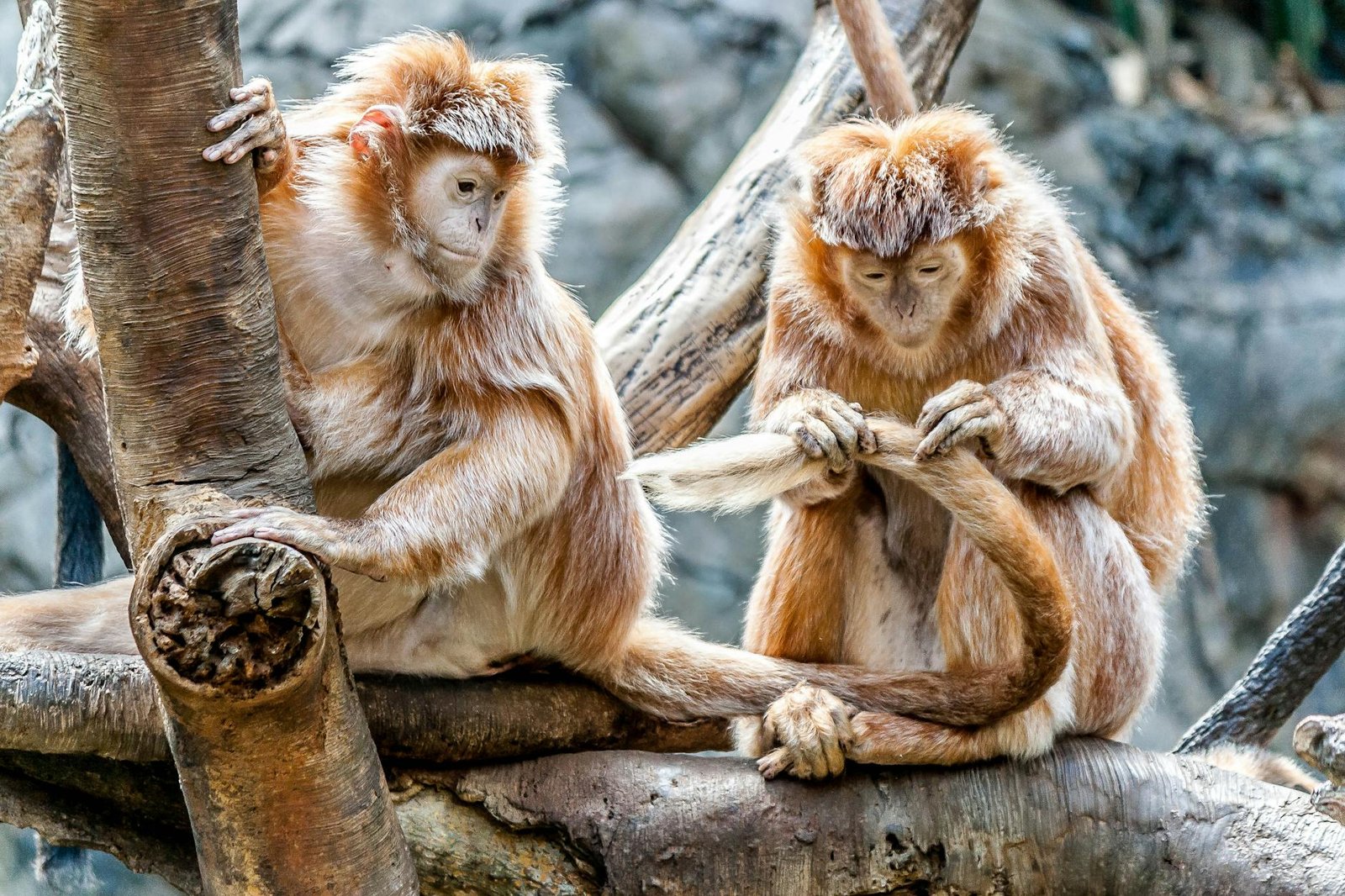
In their research, the scientists conducted experiments with monkeys to explore how varying conditions affected learning. In the first experiment, the monkeys faced a choice between two targets: a red one, rewarding them 80% of the time, and a green one, rewarding them only 20% of the time. Predictably, the monkeys quickly learned to favor the red target for its higher payoff.
However, the researchers introduced uncertainty by flipping the rewards, making the green target more profitable. Remarkably, the monkeys adapted to this change, adjusting their behavior to maximize rewards. This demonstrated their ability to learn and recalibrate in response to new information.
The Effect of Stability
In the second experiment, the researchers introduced stability: an orange button always provided an 80% reward, while a blue button consistently offered a 20% reward. Unlike the previous scenario, this setup lacked any reward pattern that required adaptation. Over time, the monkeys’ learning ceased. Even more intriguingly, brain activity in the frontal cortex—the region associated with learning—dramatically reduced.
Stability as a Double-Edged Sword
The findings highlight a critical tension between stability and learning. Stability creates predictability and reduces cognitive demands, but it can also dull the brain’s responsiveness to change. The monkeys’ reduced brain activity under stable conditions suggests that the brain conserves energy when adaptation is unnecessary. While this might be efficient in certain contexts, it has significant implications for human learning and development.
Implications for Human Learning
In human contexts, this study underscores the importance of incorporating variability and challenge into learning environments. Stability might feel comfortable, but prolonged periods of predictability can stifle curiosity and the neural mechanisms that drive exploration and growth. For instance:
- Education: A curriculum that emphasizes rote learning and predictable tasks can disengage students’ natural learning processes. Introducing novel problems, dynamic challenges, and opportunities for exploration fosters deeper engagement and cognitive development.
- Workplace: In professional settings, overly stable routines can lead to stagnation. Encouraging innovation, task variation, and adaptability helps employees stay motivated and mentally agile.
- Personal Growth: On a personal level, embracing uncertainty and stepping out of one’s comfort zone can reignite the brain’s learning centers, promoting resilience and creativity.
Learning in Complexity
The human brain thrives on complexity. When faced with uncertain or dynamic conditions, our neural networks light up, seeking patterns, testing hypotheses, and adapting strategies. This aligns with modern theories of learning, which emphasize the value of grappling with complexity and ambiguity to develop robust, transferable skills.
Conclusion
While stability has its place in providing a foundation for safety and order, too much of it can dampen the brain’s inherent drive to learn. By embracing uncertainty and introducing purposeful challenges, we can harness the full potential of our learning capacities. Whether in classrooms, workplaces, or personal pursuits, fostering environments that balance stability with dynamic change is key to unlocking growth and innovation.
About the Author
