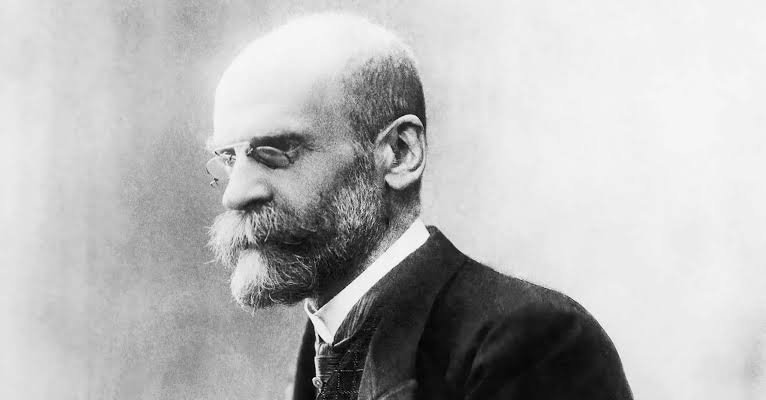
Émile Durkheim, often regarded as the father of the sociology of education, revolutionized how we understand the role of education in society. His ideas emphasized the intersection of individual growth and collective social life, offering timeless insights into learning and teaching. Here are 10 key takeaways from Durkheim’s groundbreaking work:
1. Education as a Socializing Process
Durkheim viewed education as a mechanism for socialization, preparing children to become functional members of society. He believed that schools play a critical role in instilling the values and norms necessary for societal cohesion.
2. The Classroom as a Micro-Society
He argued that classrooms should be seen as miniature societies where children learn to interact, cooperate, and resolve conflicts—mirroring the dynamics of adult society.
3. Moral Education Over Religious Doctrine
Durkheim advocated for moral education rooted in secular humanism rather than traditional religion. He believed morality could be taught through rational, science-based principles.
4. The Cult of the Individual
He introduced the concept of the “cult of the individual,” suggesting that modern societies increasingly value individual dignity and autonomy, which should be central to educational philosophy.
5. Homogeneity and Diversity in Society
Durkheim stressed that education must balance fostering societal homogeneity (shared values) with allowing room for individual diversity and creativity.
6. Science Over Classics
A proponent of scientific education, Durkheim downplayed the importance of classical studies in favor of a curriculum centered on science, which he saw as essential for progress and understanding reality.
7. Authority and Discipline in Schools
While opposing corporal punishment, Durkheim acknowledged the necessity of discipline in schools, emphasizing that authority is crucial for maintaining order and facilitating learning.
8. Education Reflects Societal Change
Durkheim highlighted that educational systems evolve alongside cultural and historical shifts. Understanding these changes helps educators adapt their methods to meet contemporary needs.
9. Knowledge for Practical Application
He criticized education focused solely on abstract knowledge or rhetoric, insisting that learning must equip students with skills applicable to real-world challenges and societal well-being.
10. Teachers as Moral Guides
Durkheim envisioned teachers not just as instructors but as moral guides who shape young minds by imparting ethical values and fostering autonomy within a structured framework.
Durkheim’s contributions remind us that education is far more than an academic exercise—it’s a cornerstone of societal continuity and transformation. By integrating his sociological lens into modern pedagogy, we can create learning environments that nurture both individuals and communities.
About the Author
