
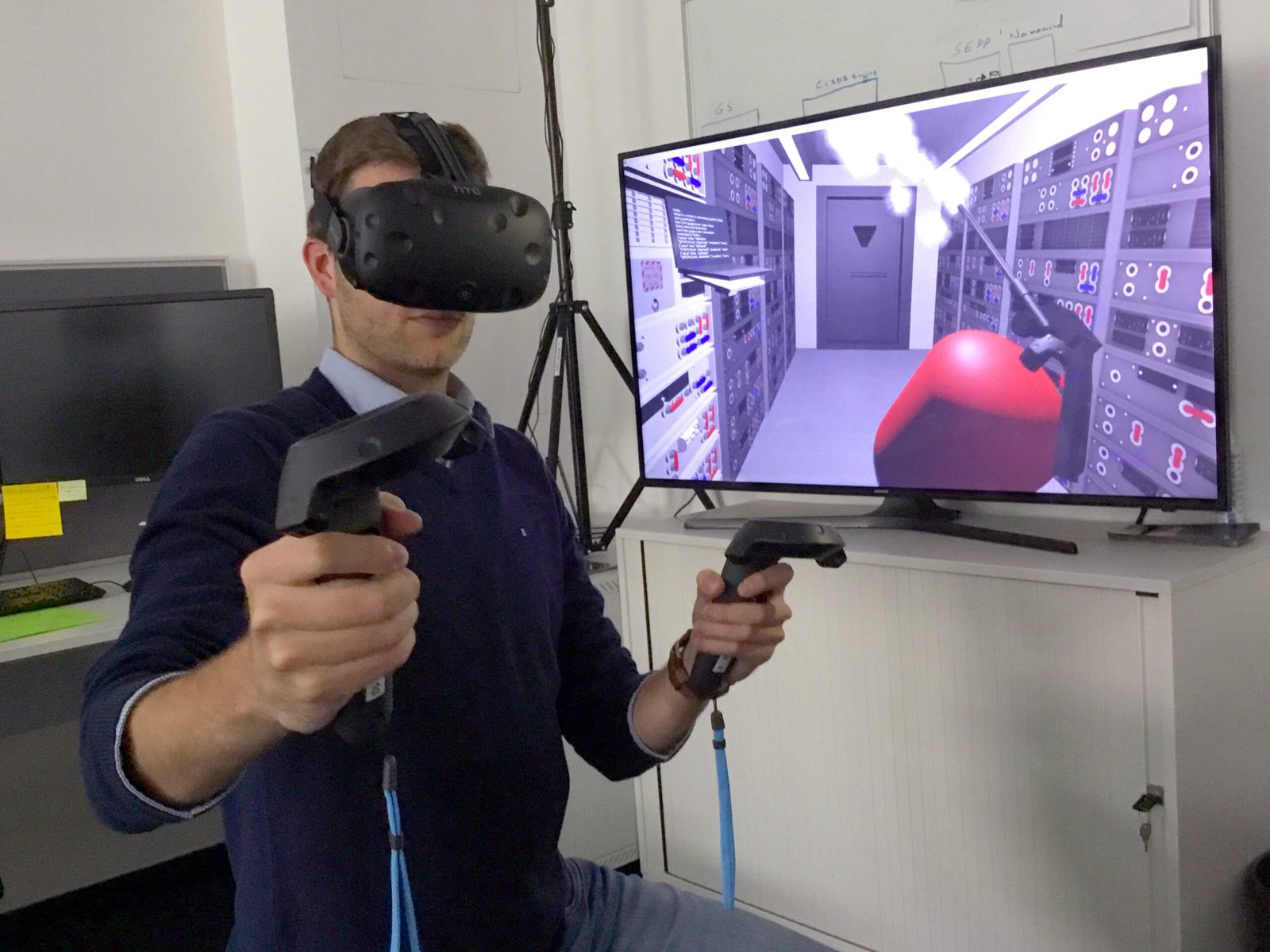
The way we learn is evolving rapidly, and technology is playing a crucial role in reshaping education. Among the most exciting developments is the integration of Virtual Reality (VR) into learning environments. VR provides immersive simulations and augmented reality experiences that allow students to engage with subjects in a way that was previously unimaginable. From medical training to history lessons, VR is opening doors to experiential learning that enhances understanding, retention, and engagement.
The Power of Immersive Learning
Traditional learning methods often rely on textbooks, lectures, and two-dimensional visuals. While these approaches are valuable, they can sometimes fail to fully engage students or provide them with a tangible understanding of complex subjects. VR changes this by offering:
- Simulations of Real-World Scenarios – Students can practice surgeries, explore architectural designs, or conduct chemistry experiments in a risk-free, virtual environment.
- Augmented Reality Enhancements – AR overlays digital content onto the real world, enabling students to visualize historical reconstructions, dissect virtual organisms, or interact with 3D models.
- Experiential Learning – Instead of just reading about the pyramids of Egypt, students can virtually walk through them, fostering deeper engagement and curiosity.
- Safe and Cost-Effective Training – VR eliminates the logistical and financial challenges associated with real-world training, especially in fields like aviation, space exploration, and emergency response.
Applications of VR in Education
The applications of VR in learning are vast and diverse. Here are a few areas where VR is making a significant impact:
- Medical Education: Medical students can practice surgeries in a virtual operating room, allowing them to gain hands-on experience without risk to patients.
- History and Social Studies: Students can explore ancient civilizations, visit historical events, and interact with famous historical figures through immersive storytelling.
- Science and Engineering: VR allows students to experiment with complex scientific concepts, explore the universe, and manipulate 3D engineering models.
- Language Learning: By immersing students in virtual cultural settings, VR enhances language acquisition by providing contextual learning experiences.
- Special Education: VR can be tailored to meet the needs of students with disabilities, providing personalized and engaging learning experiences.
Challenges and the Future of VR in Education
Despite its immense potential, VR in education faces several challenges, including the cost of VR equipment, the need for specialized content, and potential health concerns such as motion sickness. However, as technology advances and becomes more affordable, VR is likely to become a staple in modern classrooms.
Looking ahead, the future of learning will likely be a blend of VR, augmented reality, and artificial intelligence, creating adaptive, personalized learning experiences. Schools and institutions that embrace these technologies will be at the forefront of an educational revolution that prioritizes engagement, experience, and practical understanding.
Conclusion
Virtual Reality is more than just a technological novelty; it is a powerful educational tool that brings learning to life. By providing simulations and augmented reality experiences, VR helps students move beyond passive learning into interactive, immersive experiences that enhance comprehension and retention. As VR technology continues to evolve, its role in education will only grow, making learning more dynamic, inclusive, and impactful.
About the Author
