
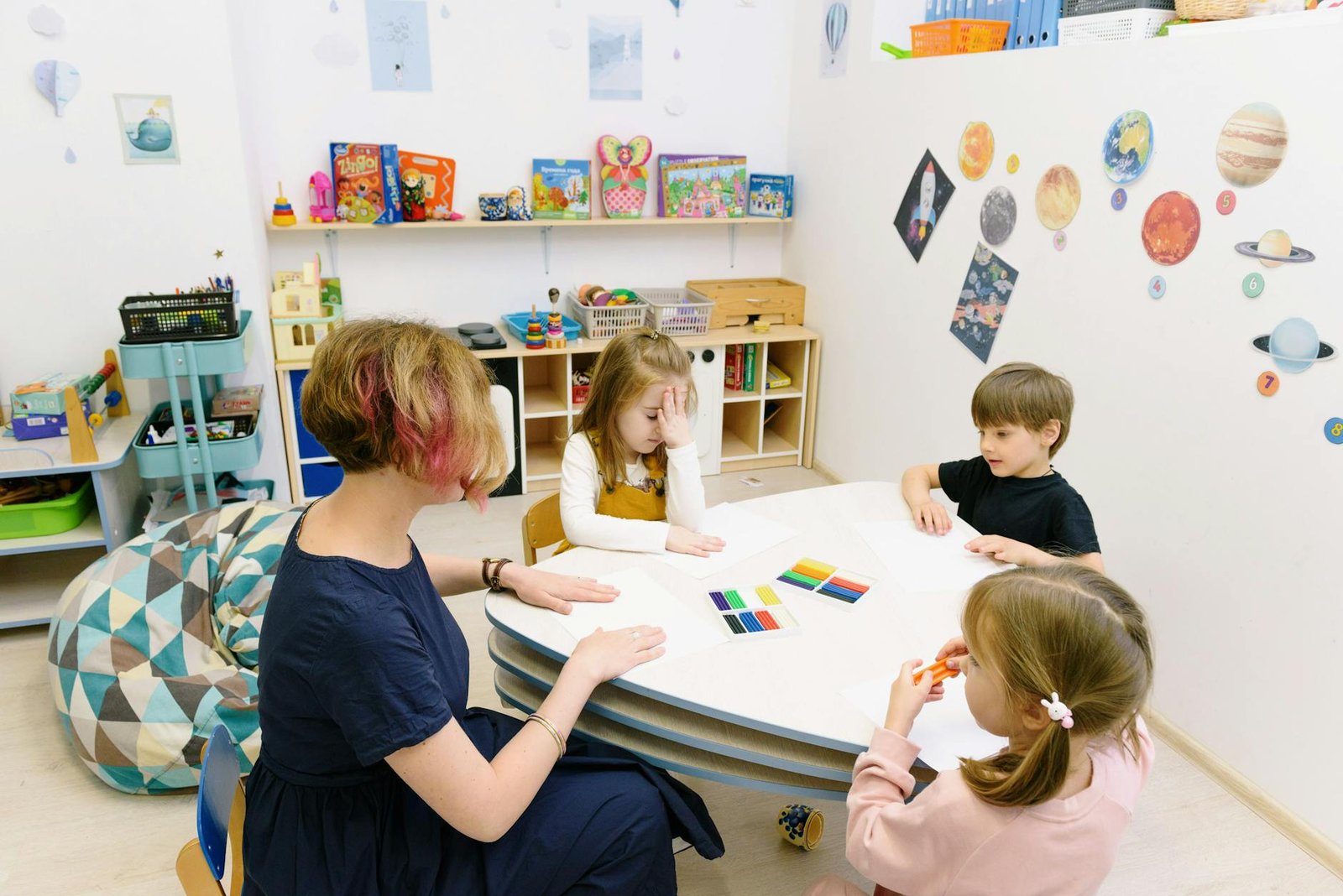
Education is not just about memorizing facts or acing exams. It’s about connection — connection to others, to ideas, and to the world around us. As neuroscientist Matthew Lieberman points out, our brains are hardwired to be social, and this fundamental aspect of our nature has profound implications for how we learn. Understanding the social brain can revolutionize the way we approach education, making learning more effective, collaborative, and meaningful.
The Social Brain and Its Role in Learning
Lieberman’s research sheds light on a truth that is often overlooked in traditional educational systems: learning is inherently social. From infancy, our brains are designed to connect with others. We seek out relationships, and these social connections become the foundation of our learning. The brain’s response to social interaction is not just an emotional reaction; it plays a critical role in cognitive development.
The “social brain” consists of networks in our brain that are specifically tuned for interpreting social cues, understanding others’ thoughts and feelings, and navigating complex social interactions. These networks don’t just turn on when we’re interacting with others — they’re constantly at work, even when we’re resting. This reflexive, preemptive mind-reading ability allows us to collaborate, innovate, and solve problems together. But, as Lieberman points out, this powerful tool is often undervalued in education.
Social Learning: A New Approach to Education
In many educational systems, individual achievement is the focal point. Students are taught to compete against one another, to memorize information for standardized tests, and to prioritize personal success. However, learning does not occur in isolation. Social learning, where knowledge is co-created through interaction with others, is a far more effective way to engage the brain.
Imagine a classroom where students collaborate, teach each other, and learn together. This is the essence of social learning, where the collective intelligence of a group enhances the learning experience for each individual. Research supports this approach: when students learn with the intention of teaching someone else, their understanding deepens significantly compared to when they are merely preparing for a test. This method taps directly into the brain’s social networks, allowing for deeper processing, greater engagement, and more lasting retention.
In fact, learning through teaching is not a new concept. After the French Revolution, France faced a severe teacher shortage. In response, children were recruited to teach other children, and the results were astonishing. This idea of peer learning has been proven to be incredibly effective. Yet, as Lieberman notes, the modern educational system has largely forgotten the power of social learning, focusing instead on individual achievement and rote memorization.
The Power of Social Connection in the Classroom
What makes social learning so effective? The answer lies in the brain’s response to social interactions. When we engage socially, the brain releases neurochemicals like oxytocin, which fosters trust, empathy, and connection. These chemicals not only strengthen our relationships but also enhance cognitive function. When we feel supported and connected to others, we’re more likely to take risks, ask questions, and explore new ideas.
In the classroom, social connections can lead to more active, engaged learning. When students work together to solve problems, share ideas, and discuss concepts, they are more likely to retain information and develop critical thinking skills. Moreover, the sense of belonging that comes from being part of a learning community boosts motivation and academic performance.
Lieberman’s research highlights how the social brain also plays a crucial role in learning. When we understand that our brains are designed to thrive in social environments, we can create educational spaces that cater to this need. Learning becomes more enjoyable and effective when we feel part of a supportive, collaborative community. In fact, some of the most successful educational models — such as project-based learning and cooperative learning — are built on this principle of social interaction.
The Shift from Individual Achievement to Collective Success
In a traditional classroom, success is often measured by individual performance. However, this approach fails to acknowledge the power of collaboration and social connection. When students work together, they complement each other’s strengths and weaknesses, leading to a more well-rounded and effective learning experience. Great ideas are often the result of collaborative thinking, and true innovation occurs when diverse perspectives come together.
For example, in business and leadership, it’s been shown that effective leaders don’t succeed by relying solely on their analytical abilities. Instead, they leverage the social strengths of their teams, understanding that social skills amplify the productivity of those around them. The same principle applies in education: when students engage with one another, share knowledge, and learn from each other, the results are far more impactful than if they work alone.
The Future of Education: Embracing Social Learning
The future of education lies in recognizing the value of social learning. As Lieberman argues, teaching students to understand and appreciate their social brain from an early age can transform the way they approach learning. The focus should shift from competitive, individualistic models to cooperative, socially-driven ones. By prioritizing social learning, we not only enhance cognitive development but also foster emotional intelligence, empathy, and collaboration — skills that are essential for success in today’s interconnected world.
Moreover, as Lieberman’s research shows, education can be far more effective when students are motivated by social goals. Whether it’s learning to teach others, contributing to a team project, or collaborating on a shared objective, the social brain thrives in environments where connection and cooperation are prioritized. The classroom should be a place where students are encouraged to collaborate, share, and learn from each other — an environment that reflects the very design of our brains.
Conclusion: Unlocking the Power of Social Learning
In conclusion, education is fundamentally social. The social brain is not just a passive observer; it actively shapes how we learn, collaborate, and grow. To unlock the full potential of students, we must embrace social learning as a central part of the educational experience. By fostering a learning environment that values connection, cooperation, and community, we can tap into the brain’s most powerful tools for success.
Ultimately, the secret to making education smarter, happier, and more productive lies in recognizing the profound impact of social learning. As Lieberman puts it, understanding and harnessing our social superpowers is the key to shaping a brighter future for learners everywhere. Let’s invest in these social brain skills, not just for the sake of academic achievement, but for the development of well-rounded, emotionally intelligent, and socially connected individuals who will lead the way in the world to come.
About the Author
