
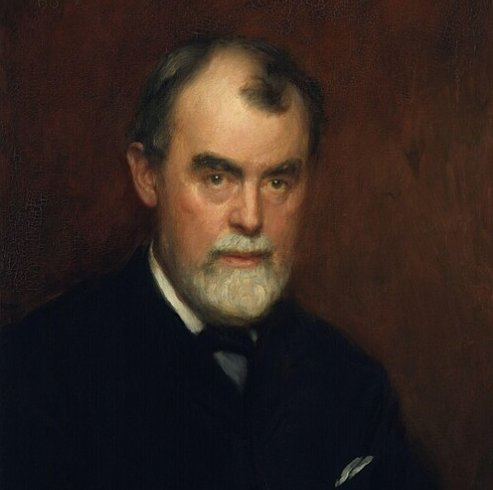
Samuel Butler (1835–1902), though not a conventional educator or philosopher, remains a compelling voice in discussions about learning and education. Through his novels, essays, and critiques, Butler challenged traditional systems of thought, questioned societal norms, and advocated for creative, independent thinking. His works, particularly Erewhon and The Way of All Flesh, offer sharp commentary on the flaws and absurdities of educational practices. Here are 10 thought-provoking insights from Butler that remain relevant to modern conversations about education.
1. Education Should Not Force Conformity
Butler criticized systems that prioritize conformity over individuality. In Erewhon, he satirically describes Colleges of Unreason, where students are trained to think like their neighbors rather than fostering original thought. This serves as a warning against suppressing unique perspectives in favor of uniformity.
2. Genius Is Often Suppressed by Traditional Systems
Butler believed that traditional education stifles genius. He argued that societies fear those who think differently, labeling them “idiots” simply because they form their own opinions. His critique highlights the need for nurturing creativity rather than punishing it.
3. Learning Should Be Purposeful, Not Arbitrary
In Erewhon, Butler mocks the teaching of “hypothetical languages”—useless subjects forced upon unwilling students. This underscores the importance of making education meaningful and relevant to real-world challenges.
4. Critical Thinking Requires Open-Mindedness
Butler’s intellectual courage is evident in his willingness to embrace unconventional ideas, such as Lamarckian evolution and the theory that The Odyssey was written by a woman. He encourages learners to explore multiple sides of an issue without fear of contradiction.
5. Punishment Has No Place in Education
Through The Way of All Flesh, Butler vividly portrays the cruelty of punitive educational methods, drawing from his own childhood experiences. His account warns against using fear and punishment as tools for instruction, advocating instead for compassionate approaches.
6. Ambiguity Is Central to Intellectual Growth
Butler valued ambiguity, recognizing that life’s complexities cannot always be resolved neatly. By presenting conflicting viewpoints in his writings, he teaches readers to grapple with uncertainty—a skill essential for deep learning.
7. Passion Drives True Learning
Butler’s enthusiasm for Handel’s music and his relentless investigation into topics like evolution demonstrate the power of passion in education. He reminds us that genuine curiosity fuels the most impactful discoveries and innovations.
8. Question Authority, Even in Academia
Butler’s satirical portrayal of Erewhonian professors—who teach inconsistency and evasion—urges readers to critically examine authority figures in education. Blind acceptance of institutional doctrines can hinder intellectual progress.
9. Education Should Prepare for Life, Not Just Exams
The Erewhonian focus on training students in “unreason” reflects Butler’s critique of systems that prioritize rote memorization and exam success over practical wisdom. True education equips individuals to navigate daily life effectively.
10. Breaking Harmful Cycles Is Essential
In The Way of All Flesh, Butler advocates breaking generational cycles of harm perpetuated through misguided parenting and schooling. By separating his protagonist Ernest Pontifex from his oppressive family, Butler emphasizes the importance of creating healthier environments for future generations.
Samuel Butler’s unorthodox ideas continue to challenge educators and learners alike. His call for open-mindedness, creativity, and purposeful learning resonates deeply in today’s rapidly changing world. Whether through satire or personal reflection, Butler reminds us that true education lies not in blind obedience but in the freedom to question, explore, and grow.
About the Author
