
While neuroscientists understand a great deal about how our brains learn, less is known about how the brain chooses what to focus on while learning. New research has uncovered an unexpected brain region responsible for filtering and prioritizing important details: the paraventricular thalamus (PVT).
Researchers at Stanford University discovered that the PVT acts as a gatekeeper, helping animals identify and track the most significant details in their environment. This discovery, published in Science, offers fresh insights into how humans and other animals decide what to pay attention to during learning. Though the research is currently limited to mice, it could eventually improve our understanding of human learning and even offer new approaches for treating conditions like drug addiction.
Sorting Feedback from Noise
At its core, learning involves processing feedback. For example, if a headache medication works, you’re likely to use it again; if not, you’ll look for alternatives. However, real-world learning is messier. The brain must distinguish meaningful feedback from irrelevant noise—a critical process that has received little attention until now.
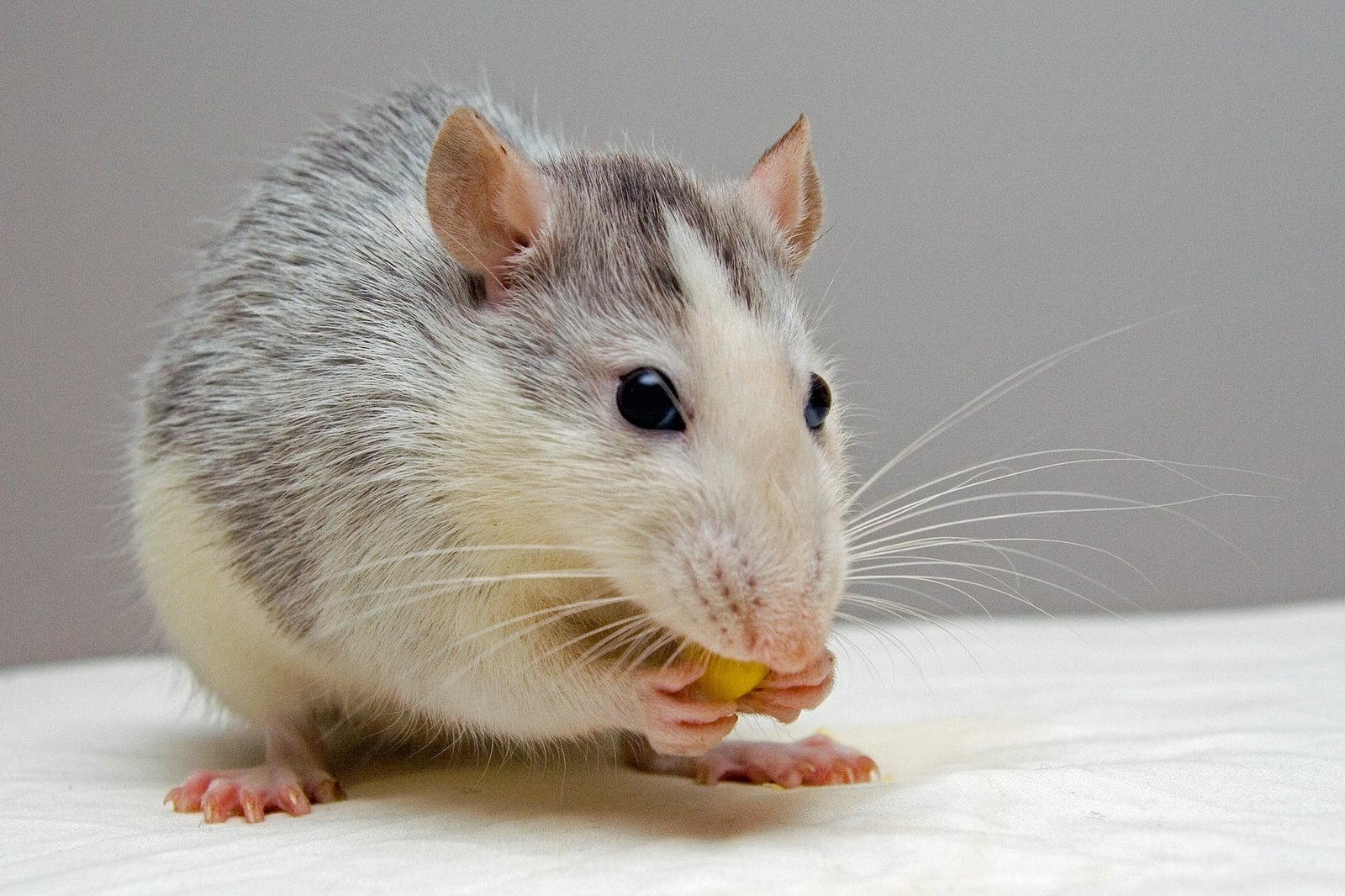
To explore this, researchers trained mice to associate odors with specific outcomes. One odor predicted a sip of water, while another signaled a puff of air to the face. Later, the puff of air was replaced with a mild electric shock, which demanded greater attention. The PVT neurons adapted accordingly, shifting their focus depending on the importance of the outcomes.
When water was the primary motivator, the PVT neurons responded more to the odor signaling water. When the shock became more significant, the PVT adjusted, responding more strongly to the unpleasant stimulus. Even when the mice were no longer thirsty, the PVT recalibrated, prioritizing negative outcomes over positive ones.
This flexibility demonstrates that the PVT tracks what is most important at any given moment, adjusting focus as circumstances change.
Implications for Learning and Beyond
The findings suggest that the PVT plays a critical role in learning by prioritizing stimuli that matter most. This insight gives neuroscientists a new focal point for studying attention and learning processes.
More intriguingly, researchers found they could manipulate learning by controlling PVT activity. Using genetically modified mice, they used light to either enhance or inhibit the PVT. This allowed them to speed up or slow down the learning process, such as helping mice unlearn old associations or form new ones more efficiently.
In the long term, such discoveries could pave the way for innovative treatments for drug addiction. By targeting the PVT, it might become possible to help individuals break the link between drug use and the resulting high, facilitating recovery.
This research highlights how a deeper understanding of the brain’s decision-making processes can revolutionize the way we think about learning, attention, and behavior modification.
This study was supported by various institutions, including the Wu Tsai Neuroscience Institute, the Whitehall Foundation, and the National Science Foundation.
Stanford study on how the brain decides what to learn by Xiaoke Chen and Greg Nachtrab @StanfordBrainhttps://t.co/DB0m3AWWtj pic.twitter.com/HyaOBkWNrM
— Kiran Johny (@johnywrites) November 18, 2018

Original Source
Sciencedaily Article
News.stanford.edu
About the Author
