
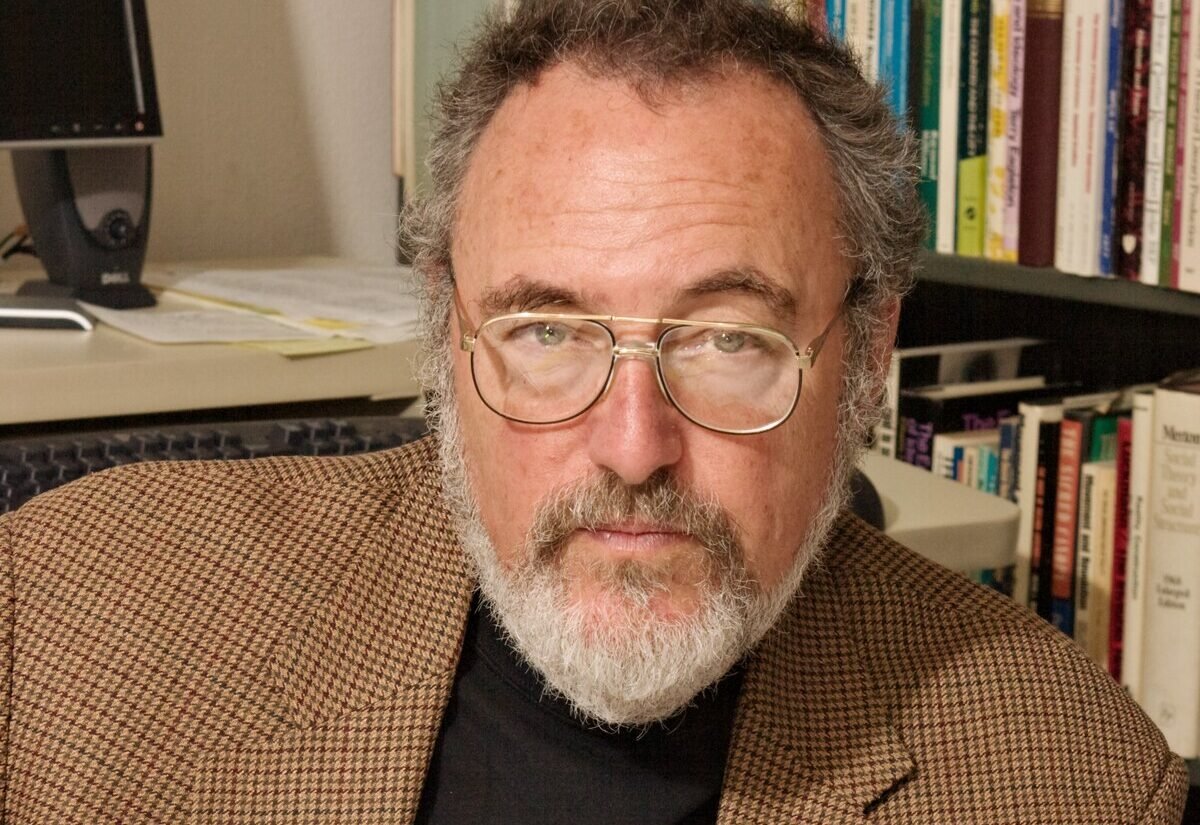
Michael W. Apple, a towering figure in critical education theory, has spent decades examining the intricate relationship between education, power, culture, and society. His work challenges us to rethink the purpose of education in fostering democratic ideals and social justice. Drawing from his profound insights, here are 10 key takeaways that illuminate his transformative vision for learning and education.
1. Education is Not Neutral
Apple argues that the curriculum is never a neutral collection of knowledge. It reflects someone’s selection—a particular group’s vision of what is considered legitimate knowledge. This selective tradition often marginalizes the voices and experiences of subordinate groups.
2. Schools Reproduce Social Inequalities
Rather than being engines of upward mobility, schools often reproduce existing social hierarchies. Apple critiques how dominant groups disproportionately expand their cultural capital through education, perpetuating systems of dominance and subordination.
3. The Hidden Curriculum Shapes Minds
Beyond explicit lessons, schools teach implicit values—what Apple calls the “hidden curriculum.” This includes norms about consumerism, individual success, and compliance with societal structures, which shape students’ worldviews without them realizing it.
4. Technology in Education is Political
Apple warns against viewing educational technology as merely a technical tool. He highlights that technology embodies ideologies and ways of thinking, often prioritizing technical logic over critical ethical and political understanding.
5. Privatization Undermines Public Education
The push for privatization, such as school vouchers and tax credits, threatens public education. Apple contends these policies favor middle-class families who can afford private schools, leaving underfunded public schools primarily for marginalized communities.
6. Standardized Testing Serves Corporate Interests
National standardized testing and curricula align with corporate-driven goals rather than democratic ones. Apple criticizes this trend for reducing education to measurable outcomes while ignoring broader humanistic aims.
7. Democracy Must Be Central to Education
For Apple, education should cultivate democratic practices and prepare citizens to navigate conflicts and uncertainties. He advocates for integrating political education into schools to counteract deterministic or socially reproductive tendencies.
8. Critical Scholarship Must Engage with Real-World Struggles
Apple emphasizes that educators and scholars must connect deeply with teachers, students, and parents. Their work should support grassroots movements striving to democratize education and make it responsive to issues of race, class, and gender.
9. Conservative Agendas Mask Inequality
Conservative forces often frame education reforms in terms of “choice” or “merit,” masking deeper inequalities. Apple reveals how these agendas aim to preserve class hierarchies and divert attention from systemic issues.
10. Non-Reformist Reforms Are Essential
Apple proposes “non-reformist reforms”—changes that address immediate classroom practices while linking them to larger social visions. These reforms focus on equity, justice, and empowering marginalized voices within education.
Conclusion
Michael W. Apple’s insights remind us that education is not just about imparting knowledge but also about shaping societies. By questioning entrenched systems and advocating for transformative change, Apple inspires educators, policymakers, and activists to reimagine learning spaces as sites of liberation and democracy. His work challenges us to ensure that education truly serves all learners—not just those at the top of the social ladder.
About the Author
