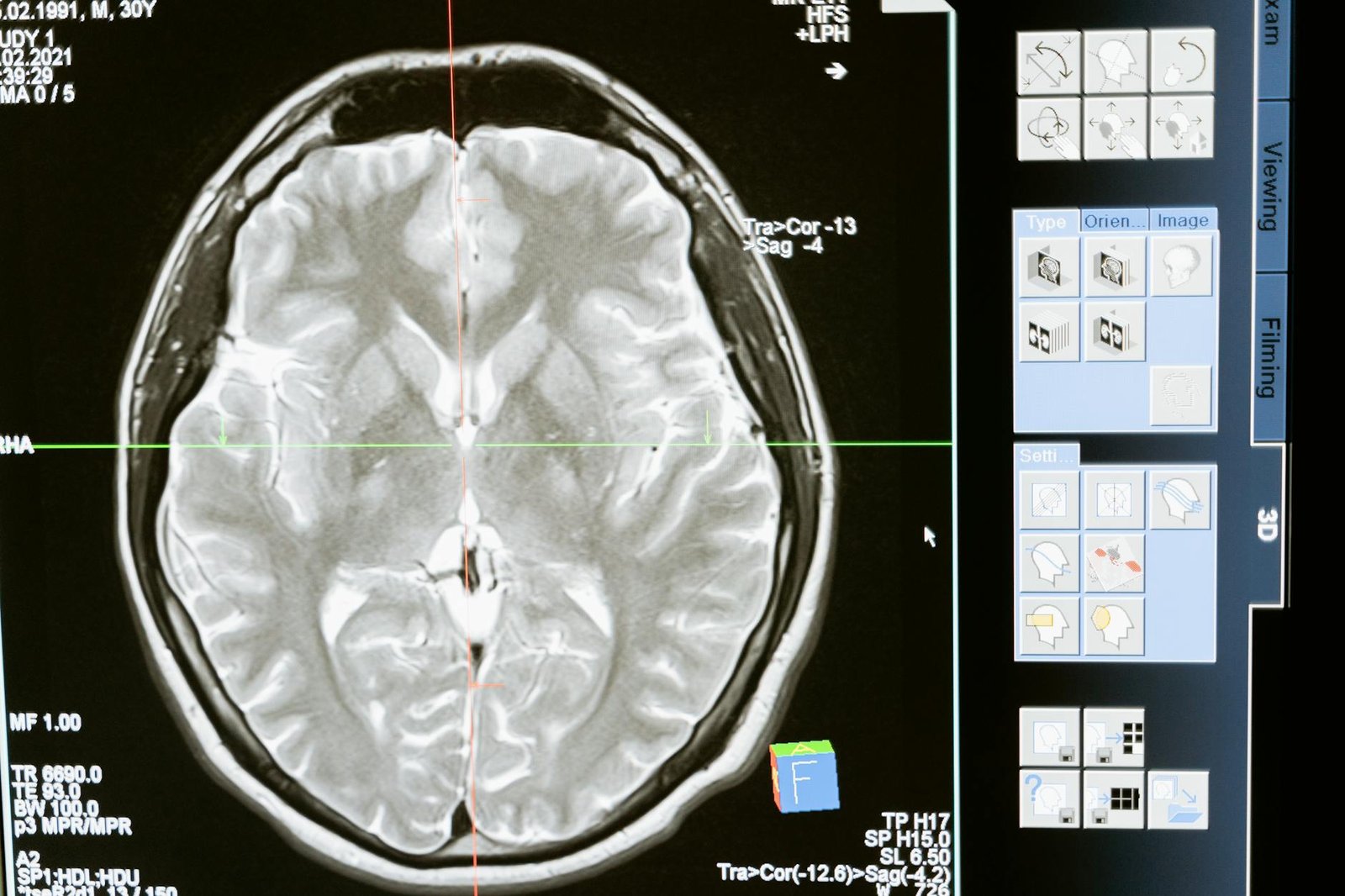
Photo by MART PRODUCTION on <a href="https://www.pexels.com/photo/technology-computer-head-health-7089020/" rel="nofollow">Pexels.com</a>
The idea that people are either “left-brained” (logical, analytical) or “right-brained” (creative, emotional) has become one of the most pervasive myths in popular culture. This oversimplified narrative suggests that personality traits and cognitive abilities are determined by which side of the brain is dominant. However, neuroscience tells a very different story.
The Origin of the Left-Right Brain Myth
The myth likely originated from early research in the 1960s on brain lateralization. These studies, including Roger Sperry’s Nobel Prize-winning work, demonstrated that certain functions, like language and spatial processing, are localized in specific hemispheres of the brain. However, these findings were exaggerated and misinterpreted over time, leading to the false dichotomy of left-brain vs. right-brain dominance.
In reality, while some functions are lateralized, most brain activities require both hemispheres working together. Creativity, for instance, involves logical processes like problem-solving, while analytical tasks often benefit from imaginative thinking.
What Does the Science Say?
Neuroscientific research debunks the idea of hemispheric dominance shaping personality traits:
- Connectivity Matters – The brain operates as a highly interconnected organ. Neural pathways link the left and right hemispheres, enabling them to work in harmony.
- Comprehensive Studies – A 2013 study titled An Evaluation of the Left-Brain vs. Right-Brain Hypothesis analyzed over 1,000 individuals and found no evidence of left- or right-hemisphere dominance in brain activity.
- Complex Tasks – Functions like creativity and logic are not confined to a single hemisphere. For example, creative endeavors involve both the analytical prefrontal cortex and the imaginative default mode network.
Why Does the Myth Persist?
Despite being debunked, the myth continues to thrive for several reasons:
- Simplicity – People find comfort in categorizing complex phenomena into simple, relatable terms.
- Personality Appeal – The myth aligns with the human tendency to attribute behaviors to innate traits.
- Media and Commercial Interests – Books, personality tests, and training programs promote the myth as a way to sell self-improvement tools.
The Harmful Effects of the Left-Right Brain Myth
Belief in this myth can have unintended consequences:
- Stereotyping Abilities: Labeling someone as “left-brained” or “right-brained” may limit their willingness to explore diverse skills.
- Educational Missteps: Teachers may mistakenly tailor lessons based on perceived hemispheric dominance, wasting resources on unfounded approaches.
- Reduced Self-Belief: Individuals might undervalue their abilities in areas stereotypically associated with the “other” side of the brain.
Setting the Record Straight
Understanding how the brain truly works empowers us to embrace a more holistic view of learning and personality development. Here are some key takeaways:
- Brain Plasticity: The brain is adaptable, and both hemispheres contribute to nearly all tasks.
- Integrated Functioning: Creativity and logic coexist, drawing on resources from across the brain.
- Avoid Labels: Instead of categorizing abilities, focus on developing a wide range of skills and fostering curiosity.
Conclusion
The left-brain/right-brain myth simplifies a complex organ to a misleading narrative, distracting us from the remarkable interconnectedness of the brain. Science has shown that logic and creativity are not confined to one hemisphere, and our potential lies in the dynamic interplay of the whole brain. By debunking this myth, we can encourage a more nuanced understanding of human cognition and growth.
About the Author
