
Skip to content

Learning-Science Digest

Fringe of Human Learning Technology and Emergence

Categories

  • 4E Cognition
  • Ability grouping
  • Accelerated learning
  • Acting/ Role play
  • Active learning
  • Active/ Action learning
  • Activities
  • Adaptive Learning
  • Administration & Leadership
  • Affordances
  • After-School Programs
  • Agency/ Autonomy
  • Analogy & Analogy based Learning
  • Anchored Instruction
  • Andragogy
  • Anthropology/ Ethnographic learning
  • Apprenticeship
  • Approaches
  • Apps
  • Artificial Intelligence
  • Assessment
  • Asynchronous Learning
  • Attitude
  • Banking model
  • Behavior Design
  • Behavioural
  • Belonging
  • Biology
  • Blended, Flipped, etc
  • books
  • Brain
  • Bricolage
  • Catholic Education
  • Causation
  • Coaching
  • Cognitive Diversity
  • Cognitive Load
  • Cognitive Science
  • Collaborative learning
  • Communities of practice
  • Competency-Based Learning
  • Complexity Theory
  • Compliance Training
  • Computational Learning
  • Computer Based Math
  • Concept Differences
  • Concept similarity
  • Connected Learning
  • Connectivism
  • Constraints
  • Constraints-Led Approach
  • Constructionism
  • Constructivism
  • Contextualized Learning
  • Contrast and Polarity
  • Courses
  • Creativity/ Innovation
  • Critical articles
  • Critical Pedagogy
  • Critical Thinking
  • Cultural Intelligence
  • Cultural Learning
  • Cumulative culture
  • Curriculum
  • Curriculum Design
  • Deliberate Practice
  • Design Science/ Approaches
  • Desirable Difficulty
  • Dialogic Learning
  • Differential learning
  • Digital Learning
  • Direct Instruction/ KLC
  • Disability and Learning
  • Discovery Learning
  • Discussion/ Debate
  • Disposition/Propensity
  • Distributed Cognition/ Learning
  • DIY learning/ Edupunk
  • Dynamics and learning
  • Early Intervention
  • Ecological Approch
  • Ecological Dynamics
  • Ed-tech
  • Education
  • Education Models
  • Education Policy
  • Education Thinkers
  • Effectuation
  • Elaboration
  • Embedded Cognition
  • Embodied Cognition
  • Emergence
  • Emergency learning
  • Emerging technology
  • Emulative learning
  • Enactive learning
  • Enskilment
  • Entangled pedagogy
  • Entrepreneurial Learning
  • Ethics and Moral learning
  • Evaluation
  • Evidence
  • Evolution and Learning
  • Exams
  • Exaptation
  • Exercise
  • Experiential Learning
  • Expertise
  • Explicit instruction
  • Extended Cognition
  • Family/ Religion
  • Feedback
  • Frameworks
  • Future Of Learning
  • Games/ Gamification
  • Generation Effect
  • Generative AI
  • Genius
  • Geragogy
  • Grading
  • Happiness and learning
  • Heuristics
  • Heutagogy
  • Higher Education
  • History Of Education
  • Home Slider
  • Home/ Home Schooling/ Learning
  • Homework
  • Human Machine Interface
  • Humor
  • Hypercorrection
  • Improvisation
  • Informal Learning
  • Innovation
  • Inquiry
  • Instructional Design
  • Instrumentalism
  • Intelligence
  • Interviews
  • Job training
  • Knowledge Rich Curriculum
  • Knowledge: Types. etc.
  • Labelling
  • Language Learning
  • Law and Legal Learning
  • Learning and Development
  • Learning Difficulties
  • Learning Environments
  • Learning for life
  • Learning in Chaos
  • Learning in complexity
  • Learning Management System
  • Learning Myths
  • Learning Programming
  • Learning Science
  • Learning Stations
  • Learning Systems
  • Learning Techniques/Methods
  • Learning Thinkers
  • Learning under anxiety/pressure/stress
  • Learning/ Teaching Strategies
  • Learning/ Understanding By Design
  • Looping effect
  • Maker Learning
  • Mastery
  • Mathew Effect
  • Maths Learning
  • Measurement
  • Medical Education/Learning
  • Memory
  • Meta-Analysis
  • Meta-Cognition
  • mindset
  • Mnemonics
  • Montessori
  • Motivation
  • Motor Learning
  • Music/ Arts and Learning
  • Mystagogy
  • Needs and Need based Learning
  • Networked Learning
  • Networks and Ecosystem
  • Neurodivergence
  • Neuroscience
  • Non Computational
  • Non-Representational
  • Nonlinear Pedagogy
  • Novelty and learning
  • Observational learning
  • On-the-Job Training
  • Online and MOOC Learning
  • outdoor-education
  • Pedagogy
  • Peer Learning
  • Personalized Learning
  • Philosophy Of Education
  • Philosophy Of Learning
  • Philosophy Of Science
  • Place-Based Learning
  • Play/ Ludic Pedagogy
  • Policy
  • Pragmatism
  • Problem-based learning
  • Productive Failures
  • Professional education
  • Professional Learning
  • Progressive Education
  • Project Based Learning
  • Proximity and Learning
  • Psychological Issues
  • Question asking/ Question design
  • Reading , Literacy , etc
  • Recognition
  • Reification/ Reductionism
  • Relational Expertise
  • Relational Learning
  • Religion
  • Research
  • Resting/ offline consolidation
  • Retrieval
  • Salience/Closeness
  • Scaffolding
  • Science Of Learning
  • self-efficacy
  • Self-Organization
  • Self-Paced Learning
  • Self-Regulated/ Self-Directed
  • Service Learning
  • Short Concept Introduction
  • Signalling
  • Simulation or Simulative Learning
  • Situated Learning
  • Skill
  • Sleep and Rest
  • Social Effects
  • Social Learning
  • Social-emotional learning
  • Society-Ecosystem etc
  • Socioeconomic Factors
  • Sociology Of Learning
  • Software And Technology Review
  • Speaking/Public Speaking
  • Spiral design
  • Sports learning
  • Sports Science
  • Story/Narrative based learning
  • Studying
  • Teacher/ teaching
  • Testing
  • Theology and learning
  • Theories
  • Tools, Aids, Artifacts
  • Training
  • Training Needs Analysis
  • Transdisciplinary/ Interdisciplinary, etc
  • Transfer Of Learning
  • Trending News
  • Uncategorized
  • Uncertainty and learning
  • Variable Practice
  • Vicarious learning
  • Video playlist
  • Virtual, Augmented, etc
  • Visible Learning/ Hattie
  • Visual Learning/Drawing
  • Vocational Education
  • Wakeful Resting
  • Work Place Learning
  • Workshop Model
  • Zone of Proximal Development (ZPD)
Primary Menu
  • Home
  • About
  • Thinkers
    • Learning Thinkers
    • Education Thinkers
  • Design For Learning
    • Design Science/ Approaches
    • Instructional Design
    • Behavior Design
    • Curriculum Design
    • Learning/ Understanding By Design
    • Motivation
    • Ecological Approch
    • Blended, Flipped, etc
    • Games/ Gamification
  • Tools/Techniques/Methods
    • Learning Techniques/Methods
    • Education Models
    • Testing
    • Retrieval
    • Blended, Flipped, etc
    • Differential learning
    • Dialogic Learning
    • Computer Based Math
    • Tools, Aids, Artifacts
    • Knowledge Rich Curriculum
    • Cognitive Load
    • Online and MOOC Learning
    • Scaffolding
    • Contrast and Polarity
    • Play/ Ludic Pedagogy
    • Problem-based learning
    • Cultural Learning
    • Direct Instruction/ KLC
    • Deliberate Practice
    • Visual Learning/Drawing
    • Games/ Gamification
    • Acting/ Role play
    • Analogy & Analogy based Learning
    • Inquiry
    • Improvisation
    • Constructionism
    • Situated Learning
    • Productive Failures
    • Anthropology/ Ethnographic learning
    • Project Based Learning
    • Connected Learning
    • Nonlinear Pedagogy
    • Personalized Learning
    • Maker Learning
    • Virtual, Augmented, etc
    • Service Learning
    • Constructivism
    • Connectivism
    • Vicarious learning
    • Active/ Action learning
    • Computational Learning
    • Relational Learning
    • Apprenticeship
    • Communities of practice
    • Home/ Home Schooling/ Learning
    • Contextualized Learning
    • DIY learning/ Edupunk
    • Constraints-Led Approach
    • Peer Learning
  • Domains
    • Language Learning
    • Entrepreneurial Learning
    • Maths Learning
    • Sports Science
    • Theology and learning
    • Sports learning
    • Professional education
    • Law and Legal Learning
    • Catholic Education
    • Higher Education
    • Medical Education/Learning
    • Work Place Learning
    • Learning Programming
    • On-the-Job Training
    • Job training
    • Compliance Training
  • Approaches
    • Neuroscience
    • Social Learning
    • Ecological Approch
    • 4E Cognition
    • Active learning
    • Transfer Of Learning
    • Cumulative culture
    • Embodied Cognition
    • Evolution and Learning
    • Embedded Cognition
    • Differential learning
    • Dialogic Learning
    • Experiential Learning
    • Learning Environments
    • Cultural Intelligence
    • Enactive learning
    • Constraints-Led Approach
    • Non-Representational
    • Self-Organization
    • Relational Learning
    • Relational Expertise
    • Enskilment
    • Extended Cognition
    • Distributed Cognition/ Learning
  • Artificial Intelligence
  • Education Policy
  • Expertise
Subscribe or Login
  • Home
  • Instructional Design
  • The Experiential Learning Model (Kolb) in Instructional Design: Learning Through Experience
  • Instructional Design

The Experiential Learning Model (Kolb) in Instructional Design: Learning Through Experience

kiran Johny October 19, 2022
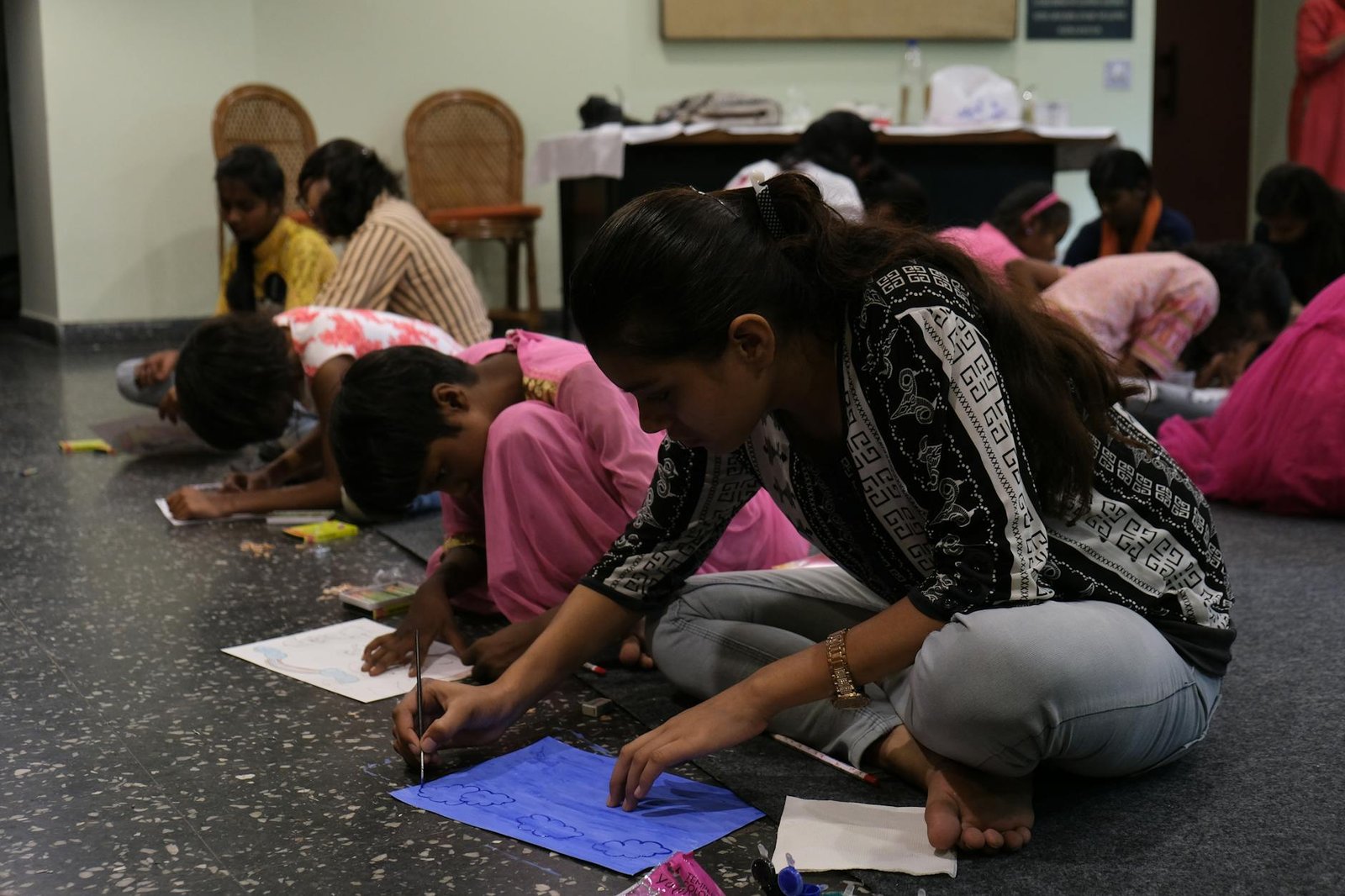
woman in black and white long sleeve shirt sitting on chair

Photo by Yogendra Singh on <a href="https://www.pexels.com/photo/woman-in-black-and-white-long-sleeve-shirt-sitting-on-chair-4643353/" rel="nofollow">Pexels.com</a>

In the ever-evolving world of education and training, instructional designers are constantly seeking innovative ways to enhance learning experiences. One model that has stood the test of time and continues to influence instructional design is David Kolb’s Experiential Learning Model. Rooted in the idea that learning is a process of constructing knowledge through experience, Kolb’s model provides a powerful framework for designing effective and engaging learning experiences. In this blog post, we’ll explore the four stages of Kolb’s model—Concrete Experience, Reflective Observation, Abstract Conceptualization, and Active Experimentation—and how they can be applied in instructional design.


What is the Experiential Learning Model?

David Kolb’s Experiential Learning Model is based on the premise that learning is a continuous cycle driven by experience. Unlike traditional learning models that focus on passive absorption of information, Kolb’s approach emphasizes active participation and reflection. The model consists of four stages that learners cycle through, each building on the previous one to create a deeper understanding of the subject matter.


The Four Stages of Kolb’s Model

  1. Concrete Experience (CE)
    The learning process begins with a hands-on experience. This stage involves direct engagement with a task, activity, or situation. Learners immerse themselves in the experience, using their senses and emotions to interact with the material. Example in Instructional Design:
    In a corporate training program, this could involve a simulation where employees role-play a customer service scenario. By actively participating, learners gain firsthand experience of the challenges and dynamics involved.
  2. Reflective Observation (RO)
    After the experience, learners step back to reflect on what happened. This stage encourages them to observe and analyze their actions, thoughts, and feelings during the experience. Reflection helps learners identify patterns, successes, and areas for improvement. Example in Instructional Design:
    Following the role-play, learners might watch a recording of their performance or participate in a group discussion to reflect on their approach. Guided questions like “What worked well?” or “What could have been done differently?” facilitate deeper reflection.
  3. Abstract Conceptualization (AC)
    In this stage, learners move from reflection to conceptualization. They analyze their observations and draw conclusions, forming theories or models to explain their experience. This stage is about connecting the dots and understanding the underlying principles. Example in Instructional Design:
    After reflecting on the role-play, learners might study customer service theories or best practices. They could also create a mind map or flowchart to visualize effective strategies for handling customer complaints.
  4. Active Experimentation (AE)
    The final stage involves applying the newly formed concepts in a real-world context. Learners test their theories and strategies through experimentation, refining their approach based on the results. This stage closes the loop and prepares learners for the next cycle of learning. Example in Instructional Design:
    Learners might return to the simulation or engage in real customer interactions to apply their refined strategies. They experiment with different techniques, observe the outcomes, and adjust their approach as needed.

Why Kolb’s Model Works in Instructional Design

Kolb’s Experiential Learning Model aligns seamlessly with modern instructional design principles. Here’s why it’s so effective:

  1. Engages Learners Actively
    By emphasizing hands-on experiences, the model ensures learners are actively involved in the learning process, which enhances retention and understanding.
  2. Encourages Critical Thinking
    The reflective and conceptualization stages push learners to think critically about their experiences, fostering deeper insights and problem-solving skills.
  3. Promotes Real-World Application
    The active experimentation stage bridges the gap between theory and practice, ensuring learners can apply their knowledge in real-world scenarios.
  4. Supports Personalized Learning
    The cyclical nature of the model allows learners to revisit and refine their understanding, catering to individual learning styles and paces.

Tips for Applying Kolb’s Model in Instructional Design

  1. Design Immersive Experiences
    Create opportunities for learners to engage in realistic, hands-on activities. Simulations, case studies, and role-plays are excellent tools for this stage.
  2. Facilitate Reflection
    Incorporate structured reflection activities, such as journaling, group discussions, or debriefing sessions, to help learners process their experiences.
  3. Provide Theoretical Frameworks
    Offer resources like articles, videos, or expert lectures to help learners connect their experiences to broader concepts.
  4. Encourage Experimentation
    Design opportunities for learners to apply their knowledge in real or simulated environments. Provide feedback and support to help them refine their approach.

Conclusion

Kolb’s Experiential Learning Model is a timeless framework that empowers learners to construct knowledge through experience, reflection, and application. For instructional designers, it offers a structured yet flexible approach to creating meaningful and impactful learning experiences. By incorporating the four stages—Concrete Experience, Reflective Observation, Abstract Conceptualization, and Active Experimentation—into your designs, you can foster deeper engagement, critical thinking, and real-world readiness in your learners.

Continue Reading

Previous: 10 Insights from Émile Durkheim on Learning and Education
Next: Exploring Human Learning Through Constructivist Theories

Categories

Archives

  • September 2025
  • July 2025
  • June 2025
  • May 2025
  • April 2025
  • March 2025
  • February 2025
  • January 2025
  • December 2024
  • November 2024
  • October 2024
  • September 2024
  • August 2024
  • July 2024
  • June 2024
  • May 2024
  • April 2024
  • March 2024
  • February 2024
  • January 2024
  • December 2023
  • November 2023
  • October 2023
  • September 2023
  • August 2023
  • July 2023
  • June 2023
  • May 2023
  • April 2023
  • March 2023
  • February 2023
  • January 2023
  • December 2022
  • November 2022
  • October 2022
  • September 2022
  • August 2022
  • July 2022
  • June 2022
  • May 2022
  • April 2022
  • March 2022
  • February 2022
  • January 2022
  • December 2021
  • November 2021
  • October 2021
  • September 2021
  • August 2021
  • July 2021
  • June 2021
  • May 2021
Copy Right © 2025–2026 Learning Science Digest (lsdigest.com). All rights reserved.

Copyright © 2025-2026 LsDigest.com

Copyright © 2025-2026 LsDigest.com | MoreNews by AF themes.