
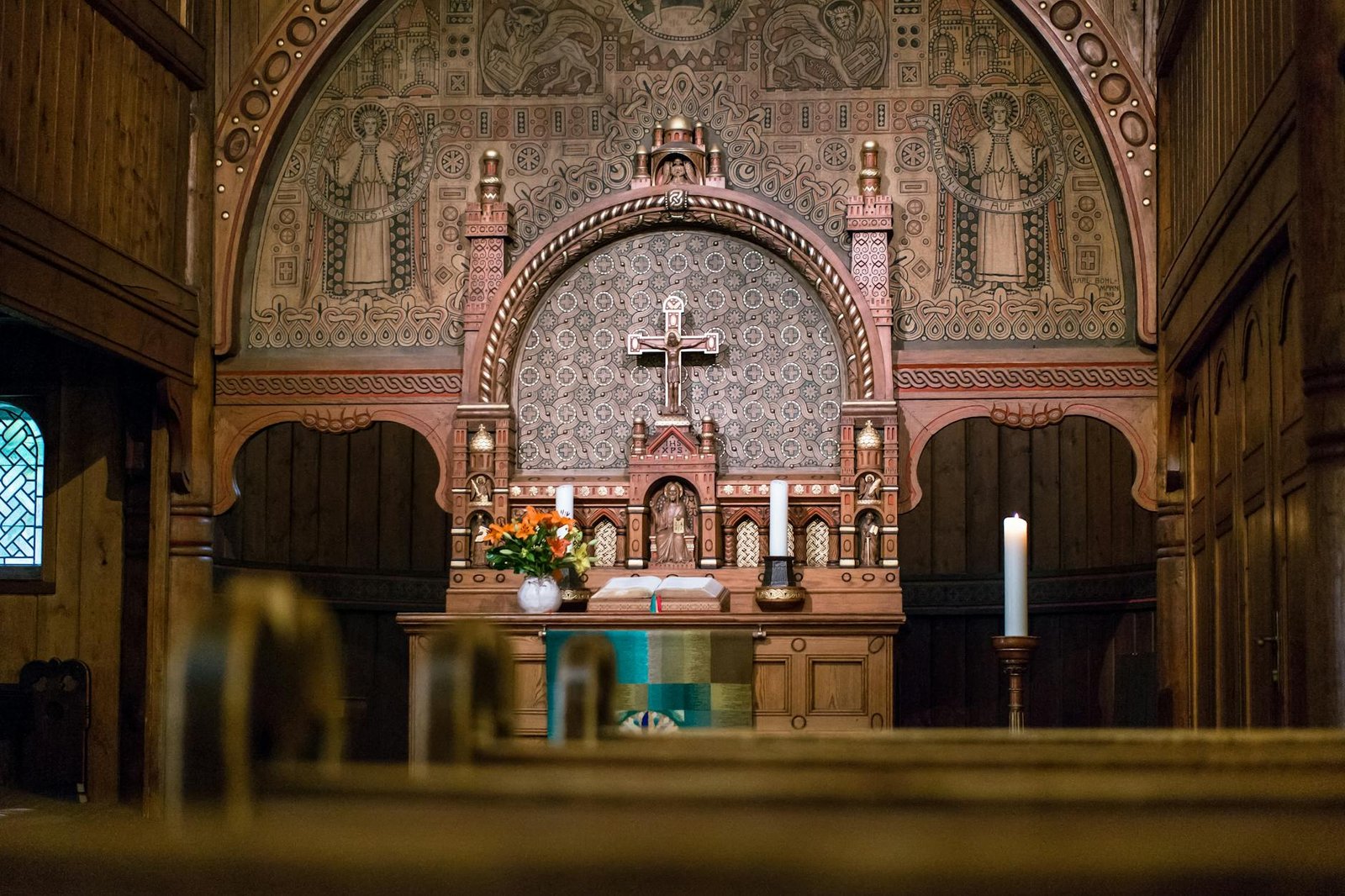
The Catholic tradition is rich with pedagogical approaches and educational frameworks that emphasize holistic development, moral integrity, and social responsibility. These methodologies are deeply rooted in the Church’s mission to cultivate both intellectual and spiritual growth in learners. Below is a list of some prominent Catholic approaches, frameworks, and models that have shaped education and learning worldwide.
1. Ignatian Pedagogical Paradigm (IPP)
Rooted in the Spiritual Exercises of St. Ignatius of Loyola, the Ignatian Pedagogical Paradigm emphasizes holistic and transformative education. Its five elements—context, experience, reflection, action, and evaluation—guide educators in creating deep, meaningful, and reflective learning experiences. This paradigm focuses on nurturing not only intellectual growth but also the moral and spiritual development of learners, urging them to become agents of change in service to others.
2. Montessori Method
Founded by Dr. Maria Montessori, a devout Catholic, this child-centered approach to education emphasizes hands-on, experiential learning. The Montessori Method encourages independence, self-directed activity, and collaborative play in a prepared environment. It is guided by the principle of respecting the child as a unique individual created in the image of God.
3. Salesian Preventive System
Developed by St. John Bosco, this framework focuses on preventing behavioral issues through a combination of reason, religion, and loving-kindness. The Salesian system fosters a family-like atmosphere where students feel loved, respected, and supported. It emphasizes the moral and spiritual formation of young people alongside their intellectual development.
4. Catholic Social Teaching in Education
Catholic Social Teaching (CST) provides a framework for integrating social justice principles into education. Grounded in values like the dignity of the human person, the common good, solidarity, and subsidiarity, CST encourages educators to instill a sense of responsibility for addressing social inequities and promoting peace and justice in their students.
5. Lasallian Pedagogy
Inspired by St. John Baptist de La Salle, the patron saint of teachers, Lasallian education emphasizes faith, service, and community. It seeks to provide accessible, inclusive education for all, particularly the marginalized. Lasallian schools focus on forming individuals who are not only intellectually competent but also spiritually and socially engaged.
6. Benedictine Approach to Education
Based on the Rule of St. Benedict, this approach emphasizes a balanced and disciplined life. It integrates prayer, work, and study, focusing on developing both the mind and the soul. Benedictine education fosters a sense of community, humility, and respect for all of God’s creation.
7. Integral Human Development Framework
This Catholic framework emphasizes the development of the whole person—spiritually, intellectually, physically, emotionally, and socially. Rooted in the teachings of Popes like Paul VI and John Paul II, it highlights education as a pathway to realizing human dignity and the full potential of every individual.
8. Catholic Liberal Education
Grounded in classical education, this approach promotes the study of the great books, classical languages, and the liberal arts. It aims to cultivate wisdom, virtue, and a deep understanding of the truth. Catholic liberal education integrates faith and reason, encouraging students to seek God through the pursuit of knowledge.
9. Dominican Pedagogy
Dominican education emphasizes the pursuit of veritas (truth) through dialogue, critical thinking, and contemplation. Inspired by St. Dominic, it encourages students to integrate faith and reason while addressing contemporary issues with intellectual rigor and moral clarity.
10. Personalist Approach to Education
Based on Catholic personalist philosophy, particularly the work of thinkers like St. John Paul II, this approach emphasizes the unique dignity of each person. Education, in this model, is seen as a relational process that nurtures both the individual and the community, fostering personal and collective growth.
11. Reggio Emilia Approach (Catholic-Inspired Contexts)
Although not exclusively Catholic, this approach is deeply aligned with Catholic values when implemented in faith-based contexts. It views children as capable, curious, and co-constructors of knowledge. It emphasizes community, creativity, and respect for the innate gifts of every child as a reflection of God’s creation.
12. Franciscan Model of Education
Drawing from the teachings of St. Francis of Assisi, this approach emphasizes simplicity, care for creation, and a sense of community. Franciscan education encourages students to live in harmony with others and the environment, promoting peace and stewardship.
13. Catholic Character Education
This model focuses on instilling virtues like faith, hope, charity, justice, and fortitude in students. It integrates moral and ethical teachings into the curriculum, aiming to form students as virtuous citizens and faithful disciples.
Conclusion: A Unified Vision for Education
Catholic education, in its many forms, shares a common goal: to nurture the whole person—mind, body, and spirit—while fostering a sense of service, justice, and responsibility to others. These approaches and frameworks offer diverse pathways to achieving this vision, empowering educators to inspire their students to lead meaningful, purposeful lives rooted in faith and love.
By integrating these rich traditions into teaching and learning, Catholic education continues to transform individuals and communities for the greater glory of God.
About the Author
