
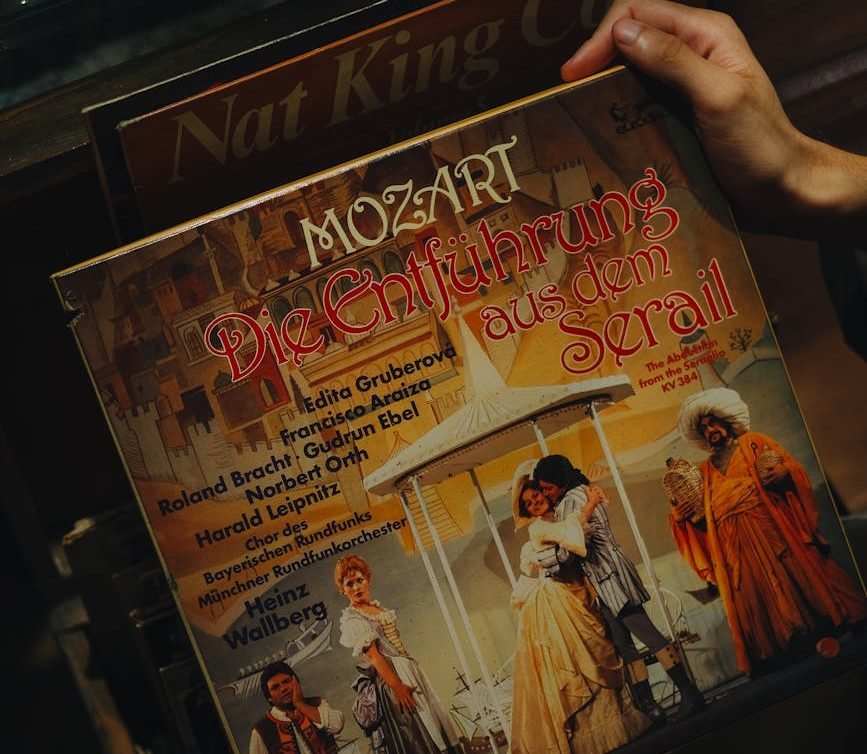
When it comes to questionable educational theories, the 1990s have a lot to answer for. Among the most enduring is the so-called “Mozart Effect,” the notion that listening to the works of the famed composer can make you smarter. It’s a claim that’s captured imaginations for decades, but the truth behind it is far more nuanced — and much less magical.
This idea originated from a small-scale psychology study published in 1993. The researchers reported that participants performed slightly better on specific spatial reasoning tasks after listening to Mozart’s music. Importantly, the study didn’t claim that the composer’s music had a direct, long-term effect on intelligence. Nevertheless, the findings sparked a wildfire of enthusiasm.
The allure of a simple, elegant way to boost brainpower proved irresistible. Soon, the so-called “Mozart Effect” became a cultural phenomenon, bolstered by books, CDs, and educational products promising parents that they could raise their children’s IQs by exposing them to classical music. By the early 2000s, some state governments in the U.S. even distributed Mozart CDs to new parents, firmly embedding the myth in public consciousness.
However, this catchy theory couldn’t hold up under scrutiny. In 2010, researchers from the University of Vienna conducted a meta-analysis of nearly 40 follow-up studies on the Mozart Effect. Their conclusion? There was no reliable evidence that listening to Mozart had any significant impact on cognitive abilities. The small performance boosts observed in the original study were likely due to temporary mood and arousal effects, not any profound brain-boosting properties of the music itself.
But by then, the “Mozart Effect” had become too entrenched to fade away quietly. It’s a textbook example of how compelling narratives can outlast scientific truth, particularly when they play to parental anxieties about giving their children every possible advantage.
None of this is to say that listening to Mozart — or any other kind of music — is without value. Music can enrich lives, improve focus, and elevate mood, all of which are worthwhile in their own right. But when it comes to intelligence, no symphony or sonata holds the key.
So, the next time someone insists that a playlist of classical hits is the secret to intellectual greatness, feel free to share the truth. Appreciating Mozart’s genius is reward enough without attributing magical powers to his music.
About the Author
