
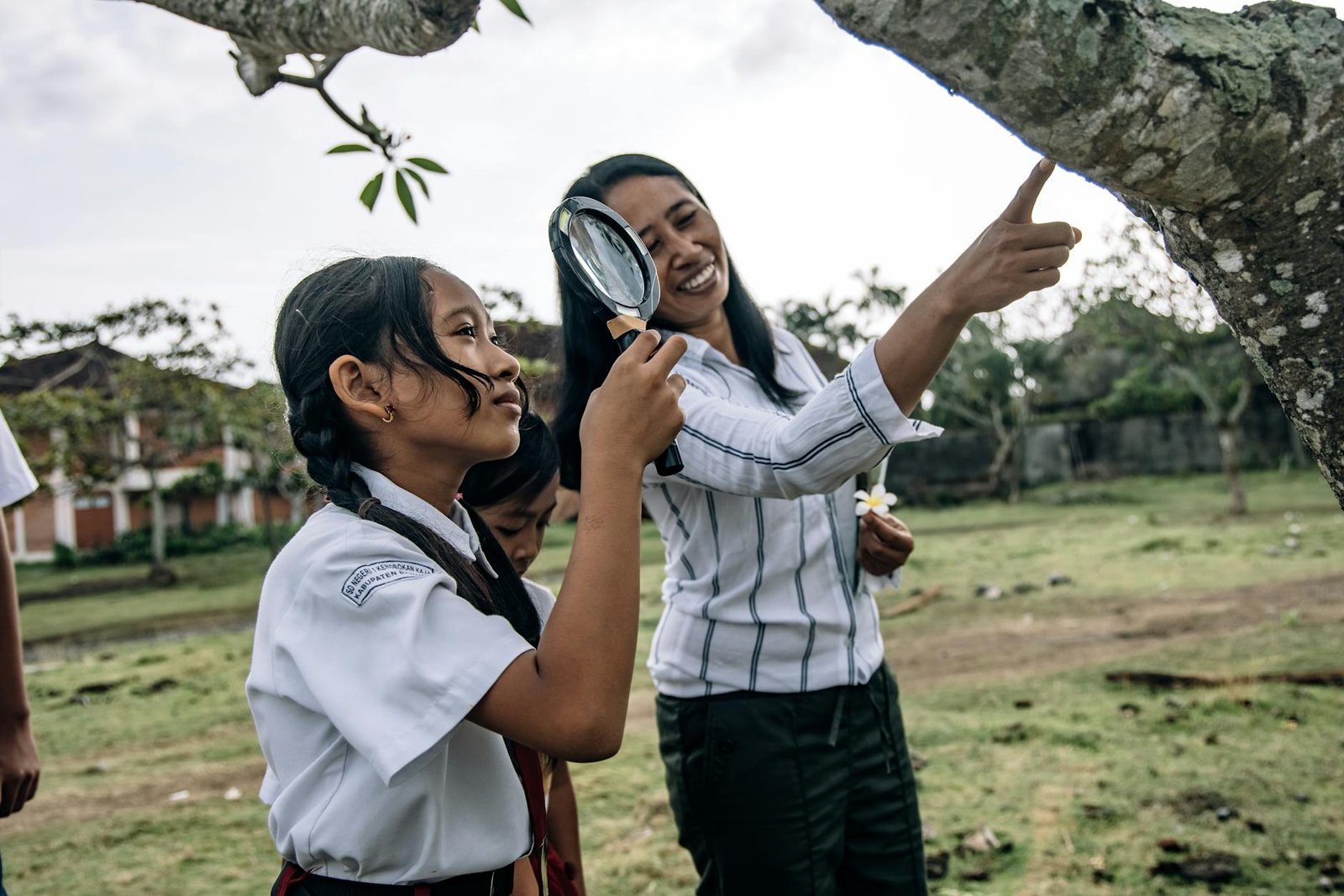
In an increasingly globalized world, it’s easy to forget the educational wealth available in our immediate surroundings. Place-based learning offers a refreshing approach by rooting education in local environments and communities. This method fosters a deeper connection between students and their surroundings, creating more engaging, meaningful, and impactful learning experiences.
What Is Place-Based Learning?
Place-based learning is an educational philosophy that emphasizes using the local community, environment, and culture as the foundation for learning. It’s about moving beyond the confines of traditional classrooms and engaging with the real world to explore local issues, history, ecology, and culture. Whether it’s a nearby park, a local museum, or a community center, these spaces become classrooms where students actively learn through observation, inquiry, and participation.
Benefits of Place-Based Learning
- Fosters a Sense of Belonging: By immersing students in their local environment, they develop a stronger connection to their community. This sense of belonging can instill pride and responsibility, encouraging them to contribute positively to their surroundings.
- Enhances Engagement: Learning in a real-world context is inherently more engaging. Students are more likely to retain information when they can see its relevance and application in their immediate lives.
- Encourages Critical Thinking and Problem-Solving: Place-based learning often involves addressing local issues. Whether it’s analyzing water quality in a nearby stream or exploring the history of a neighborhood, these activities challenge students to think critically and devise solutions.
- Promotes Interdisciplinary Learning: Local environments and communities provide a rich tapestry of interconnected subjects. For instance, studying a local watershed might involve biology, chemistry, geography, and even politics, offering students a holistic understanding.
- Builds Community Partnerships: Place-based learning encourages collaboration with local organizations, businesses, and experts. These partnerships enrich the educational experience and create a network of support for students and schools.
Examples of Place-Based Learning in Action
- Environmental Studies: Students analyze local ecosystems, studying plant and animal life, water quality, and the impact of human activity. Field trips to nature reserves or urban green spaces bring textbooks to life.
- Community History Projects: Exploring the history of a local landmark or interviewing long-time residents teaches students about their community’s heritage while developing research and communication skills.
- Civic Engagement: Partnering with local governments or nonprofits to address community issues—such as organizing a recycling drive or advocating for better public transportation—empowers students to make tangible changes.
Implementing Place-Based Learning
- Identify Local Resources: Start by mapping out local resources such as parks, historical sites, cultural centers, and businesses that can serve as learning spaces.
- Collaborate with Community Members: Engage local experts, elders, and organizations to share their knowledge and perspectives with students.
- Design Interdisciplinary Projects: Create projects that weave together multiple subjects, making learning more cohesive and relevant.
- Incorporate Student Voice: Allow students to choose the issues or topics they want to explore. This increases ownership and motivation.
- Reflect and Share: Encourage students to document their learning and share it with the community through presentations, exhibitions, or reports.
Conclusion
Place-based learning transforms education by grounding it in the real world. It’s an approach that not only enriches academic knowledge but also instills a sense of connection, responsibility, and empowerment. By embracing the resources and opportunities in our immediate environments, we can create more impactful and meaningful educational experiences for students, preparing them to navigate and contribute to both their local and global communities.
About the Author
