
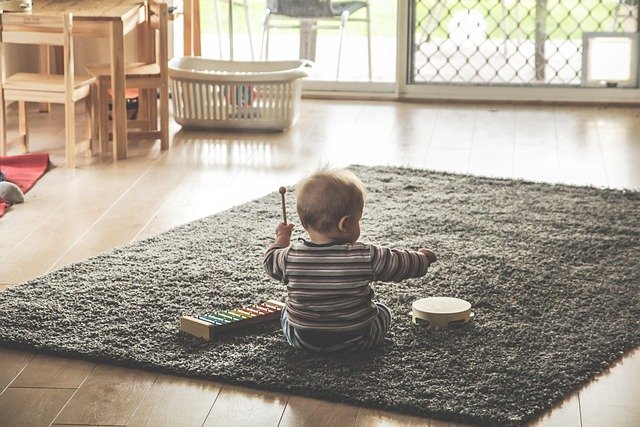
Play is more than just a pastime for children; it is a fundamental aspect of their development. Defined as a broad spectrum of activities that are satisfying, creative, and freely chosen by the child, play serves as a powerful medium for learning. Play programs, designed to integrate structured and unstructured play, aim to enhance resilience, health, and overall well-being in children. By understanding the role of play in education and development, we can appreciate the importance of fostering environments that encourage playful learning.
The Role of Play in Learning
From early childhood to adolescence, play serves as a crucial vehicle for cognitive, social, and emotional development. When children engage in play, they explore their surroundings, test their boundaries, and develop problem-solving skills. Play-based learning encourages curiosity and intrinsic motivation, leading to a deeper and more meaningful understanding of the world.
Educational theorists such as Jean Piaget and Lev Vygotsky have long emphasized the importance of play in cognitive development. Piaget identified play as a means for children to assimilate new experiences and construct knowledge. Vygotsky, on the other hand, highlighted the role of social interactions in play, where children learn from peers and caregivers through guided participation and scaffolding.
Types of Play and Their Benefits
1. Physical Play
Activities such as running, jumping, and climbing help develop motor skills, coordination, and physical fitness. Physical play is essential for overall health and encourages children to engage in active lifestyles.
2. Cognitive Play
Games that involve puzzles, problem-solving, and strategic thinking enhance cognitive functions such as memory, reasoning, and creativity. These activities encourage children to think critically and independently.
3. Social Play
Interacting with peers through role-playing, cooperative games, and group activities builds social skills, emotional intelligence, and communication abilities. Social play teaches children how to navigate relationships, resolve conflicts, and work collaboratively.
4. Imaginative Play
Pretend play, storytelling, and role-playing stimulate creativity and language development. When children engage in imaginative play, they experiment with different perspectives, expanding their understanding of the world.
5. Constructive Play
Building with blocks, assembling puzzles, and engaging in arts and crafts develop spatial awareness, fine motor skills, and problem-solving abilities. Constructive play fosters innovation and perseverance.
Play Programs and Their Impact
Play programs are designed to create structured opportunities for children to engage in play while promoting resilience, mental health, and emotional well-being. These programs often incorporate:
- Free Play Sessions: Allowing children to choose their activities fosters autonomy and confidence.
- Guided Play: Combining child-led exploration with subtle adult guidance enhances learning outcomes.
- Therapeutic Play: Used in healthcare and educational settings, therapeutic play helps children process emotions and trauma.
- Inclusive Play Environments: Ensuring that play spaces are accessible to children of all abilities fosters inclusivity and social integration.
Research has shown that play programs contribute to improved academic performance, better emotional regulation, and stronger social connections. Schools and communities that prioritize play-based learning witness increased engagement, reduced stress levels, and overall positive development in children.
Conclusion
Play is not merely an activity—it is an essential part of childhood development that fosters resilience, creativity, and well-being. Learning and play programs bridge the gap between education and recreation, providing children with the tools to thrive academically, socially, and emotionally. As educators, parents, and policymakers, we must recognize the profound impact of play and ensure that children have ample opportunities to learn through play. By embracing play-based learning, we lay the foundation for a generation of curious, adaptable, and well-rounded individuals.
About the Author
