Skip to content

Learning-Science Digest

Fringe of Human Learning Technology and Emergence

Categories

  • 4E Cognition
  • Ability grouping
  • Accelerated learning
  • Acting/ Role play
  • Active learning
  • Active/ Action learning
  • Activities
  • Adaptive Learning
  • Administration & Leadership
  • Affordances
  • After-School Programs
  • Agency/ Autonomy
  • Analogy & Analogy based Learning
  • Anchored Instruction
  • Andragogy
  • Anthropology/ Ethnographic learning
  • Apprenticeship
  • Approaches
  • Apps
  • Artificial Intelligence
  • Assessment
  • Asynchronous Learning
  • Attitude
  • Banking model
  • Behavior Design
  • Behavioural
  • Belonging
  • Biology
  • Blended, Flipped, etc
  • books
  • Brain
  • Bricolage
  • Catholic Education
  • Causation
  • Coaching
  • Cognitive Diversity
  • Cognitive Load
  • Cognitive Science
  • Collaborative learning
  • Communities of practice
  • Competency-Based Learning
  • Complexity Theory
  • Compliance Training
  • Computational Learning
  • Computer Based Math
  • Concept Differences
  • Concept similarity
  • Connected Learning
  • Connectivism
  • Constraints
  • Constraints-Led Approach
  • Constructionism
  • Constructivism
  • Contextualized Learning
  • Contrast and Polarity
  • Courses
  • Creativity/ Innovation
  • Critical articles
  • Critical Pedagogy
  • Critical Thinking
  • Cultural Intelligence
  • Cultural Learning
  • Cumulative culture
  • Curriculum
  • Curriculum Design
  • Deliberate Practice
  • Design Science/ Approaches
  • Desirable Difficulty
  • Dialogic Learning
  • Differential learning
  • Digital Learning
  • Direct Instruction/ KLC
  • Disability and Learning
  • Discovery Learning
  • Discussion/ Debate
  • Disposition/Propensity
  • Distributed Cognition/ Learning
  • DIY learning/ Edupunk
  • Dynamics and learning
  • Early Intervention
  • Ecological Approch
  • Ecological Dynamics
  • Ed-tech
  • Education
  • Education Models
  • Education Policy
  • Education Thinkers
  • Effectuation
  • Elaboration
  • Embedded Cognition
  • Embodied Cognition
  • Emergence
  • Emergency learning
  • Emerging technology
  • Emulative learning
  • Enactive learning
  • Enskilment
  • Entangled pedagogy
  • Entrepreneurial Learning
  • Ethics and Moral learning
  • Evaluation
  • Evidence
  • Evolution and Learning
  • Exams
  • Exaptation
  • Exercise
  • Experiential Learning
  • Expertise
  • Explicit instruction
  • Extended Cognition
  • Family/ Religion
  • Feedback
  • Frameworks
  • Future Of Learning
  • Games/ Gamification
  • Generation Effect
  • Generative AI
  • Genius
  • Geragogy
  • Grading
  • Happiness and learning
  • Heuristics
  • Heutagogy
  • Higher Education
  • History Of Education
  • Home Slider
  • Home/ Home Schooling/ Learning
  • Homework
  • Human Machine Interface
  • Humor
  • Hypercorrection
  • Improvisation
  • Informal Learning
  • Innovation
  • Inquiry
  • Instructional Design
  • Instrumentalism
  • Intelligence
  • Interviews
  • Job training
  • Knowledge Rich Curriculum
  • Knowledge: Types. etc.
  • Labelling
  • Language Learning
  • Law and Legal Learning
  • Learning and Development
  • Learning Difficulties
  • Learning Environments
  • Learning for life
  • Learning in Chaos
  • Learning in complexity
  • Learning Management System
  • Learning Myths
  • Learning Programming
  • Learning Science
  • Learning Stations
  • Learning Systems
  • Learning Techniques/Methods
  • Learning Thinkers
  • Learning under anxiety/pressure/stress
  • Learning/ Teaching Strategies
  • Learning/ Understanding By Design
  • Looping effect
  • Maker Learning
  • Mastery
  • Mathew Effect
  • Maths Learning
  • Measurement
  • Medical Education/Learning
  • Memory
  • Meta-Analysis
  • Meta-Cognition
  • mindset
  • Mnemonics
  • Montessori
  • Motivation
  • Motor Learning
  • Music/ Arts and Learning
  • Mystagogy
  • Needs and Need based Learning
  • Networked Learning
  • Networks and Ecosystem
  • Neurodivergence
  • Neuroscience
  • Non Computational
  • Non-Representational
  • Nonlinear Pedagogy
  • Novelty and learning
  • Observational learning
  • On-the-Job Training
  • Online and MOOC Learning
  • outdoor-education
  • Pedagogy
  • Peer Learning
  • Personalized Learning
  • Philosophy Of Education
  • Philosophy Of Learning
  • Philosophy Of Science
  • Place-Based Learning
  • Play/ Ludic Pedagogy
  • Policy
  • Pragmatism
  • Problem-based learning
  • Productive Failures
  • Professional education
  • Professional Learning
  • Progressive Education
  • Project Based Learning
  • Proximity and Learning
  • Psychological Issues
  • Question asking/ Question design
  • Reading , Literacy , etc
  • Recognition
  • Reification/ Reductionism
  • Relational Expertise
  • Relational Learning
  • Religion
  • Research
  • Resting/ offline consolidation
  • Retrieval
  • Salience/Closeness
  • Scaffolding
  • Science Of Learning
  • self-efficacy
  • Self-Organization
  • Self-Paced Learning
  • Self-Regulated/ Self-Directed
  • Service Learning
  • Short Concept Introduction
  • Signalling
  • Simulation or Simulative Learning
  • Situated Learning
  • Skill
  • Sleep and Rest
  • Social Effects
  • Social Learning
  • Social-emotional learning
  • Society-Ecosystem etc
  • Socioeconomic Factors
  • Sociology Of Learning
  • Software And Technology Review
  • Speaking/Public Speaking
  • Spiral design
  • Sports learning
  • Sports Science
  • Story/Narrative based learning
  • Studying
  • Teacher/ teaching
  • Testing
  • Theology and learning
  • Theories
  • Tools, Aids, Artifacts
  • Training
  • Training Needs Analysis
  • Transdisciplinary/ Interdisciplinary, etc
  • Transfer Of Learning
  • Trending News
  • Uncategorized
  • Uncertainty and learning
  • Variable Practice
  • Vicarious learning
  • Video playlist
  • Virtual, Augmented, etc
  • Visible Learning/ Hattie
  • Visual Learning/Drawing
  • Vocational Education
  • Wakeful Resting
  • Work Place Learning
  • Workshop Model
  • Zone of Proximal Development (ZPD)
Primary Menu
  • Home
  • About
  • Thinkers
    • Learning Thinkers
    • Education Thinkers
  • Design For Learning
    • Design Science/ Approaches
    • Instructional Design
    • Behavior Design
    • Curriculum Design
    • Learning/ Understanding By Design
    • Motivation
    • Ecological Approch
    • Blended, Flipped, etc
    • Games/ Gamification
  • Tools/Techniques/Methods
    • Learning Techniques/Methods
    • Education Models
    • Testing
    • Retrieval
    • Blended, Flipped, etc
    • Differential learning
    • Dialogic Learning
    • Computer Based Math
    • Tools, Aids, Artifacts
    • Knowledge Rich Curriculum
    • Cognitive Load
    • Online and MOOC Learning
    • Scaffolding
    • Contrast and Polarity
    • Play/ Ludic Pedagogy
    • Problem-based learning
    • Cultural Learning
    • Direct Instruction/ KLC
    • Deliberate Practice
    • Visual Learning/Drawing
    • Games/ Gamification
    • Acting/ Role play
    • Analogy & Analogy based Learning
    • Inquiry
    • Improvisation
    • Constructionism
    • Situated Learning
    • Productive Failures
    • Anthropology/ Ethnographic learning
    • Project Based Learning
    • Connected Learning
    • Nonlinear Pedagogy
    • Personalized Learning
    • Maker Learning
    • Virtual, Augmented, etc
    • Service Learning
    • Constructivism
    • Connectivism
    • Vicarious learning
    • Active/ Action learning
    • Computational Learning
    • Relational Learning
    • Apprenticeship
    • Communities of practice
    • Home/ Home Schooling/ Learning
    • Contextualized Learning
    • DIY learning/ Edupunk
    • Constraints-Led Approach
    • Peer Learning
  • Domains
    • Language Learning
    • Entrepreneurial Learning
    • Maths Learning
    • Sports Science
    • Theology and learning
    • Sports learning
    • Professional education
    • Law and Legal Learning
    • Catholic Education
    • Higher Education
    • Medical Education/Learning
    • Work Place Learning
    • Learning Programming
    • On-the-Job Training
    • Job training
    • Compliance Training
  • Approaches
    • Neuroscience
    • Social Learning
    • Ecological Approch
    • 4E Cognition
    • Active learning
    • Transfer Of Learning
    • Cumulative culture
    • Embodied Cognition
    • Evolution and Learning
    • Embedded Cognition
    • Differential learning
    • Dialogic Learning
    • Experiential Learning
    • Learning Environments
    • Cultural Intelligence
    • Enactive learning
    • Constraints-Led Approach
    • Non-Representational
    • Self-Organization
    • Relational Learning
    • Relational Expertise
    • Enskilment
    • Extended Cognition
    • Distributed Cognition/ Learning
  • Artificial Intelligence
  • Education Policy
  • Expertise
Subscribe or Login
  • Home
  • Cognitive Science
  • Understanding Cognitive Development: Piaget’s Four Stages of Growth
  • Cognitive Science
  • Learning Thinkers
  • Theories

Understanding Cognitive Development: Piaget’s Four Stages of Growth

kiran Johny May 14, 2022
jeannn

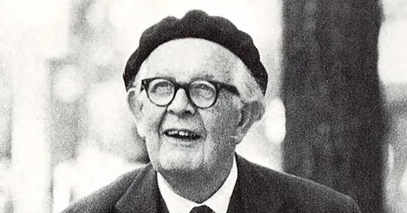
Cognitive development is a fascinating journey that shapes how we perceive, understand, and interact with the world around us. One of the most influential theories explaining this process was articulated by Swiss developmental psychologist Jean Piaget. His theory of cognitive development outlines four distinct stages that individuals pass through as they grow and mature: the sensorimotor stage, the preoperational stage, the concrete operational stage, and the formal operational stage. Each stage represents a unique way of thinking and understanding, with interstitial elements that bridge one level to the next. Let’s dive into Piaget’s stages and explore how they illuminate the path to cognitive maturity.


1. The Sensorimotor Stage (Birth to 2 Years)

The journey begins with the sensorimotor stage, which spans from birth to approximately two years of age. During this stage, infants learn about the world primarily through their senses and motor actions. They explore by touching, tasting, seeing, hearing, and moving.

A key milestone in this stage is the development of object permanence—the understanding that objects continue to exist even when they are out of sight. For example, when a toy is hidden under a blanket, a child who has developed object permanence will search for it, realizing it hasn’t simply disappeared. This stage lays the foundation for later cognitive abilities, as infants begin to understand cause and effect and develop basic problem-solving skills.


2. The Preoperational Stage (2 to 7 Years)

As children enter the preoperational stage, their cognitive abilities expand, but their thinking remains egocentric and intuitive rather than logical. During this stage, children develop language and begin to use symbols, such as words and images, to represent objects and ideas. However, they struggle with understanding perspectives other than their own, a concept known as egocentrism.

Another hallmark of this stage is animism, where children attribute human characteristics to inanimate objects. For instance, a child might believe that a stuffed animal has feelings or that the sun is “happy” when it shines. While their imagination flourishes, children in this stage often lack the ability to perform logical operations, such as conservation (understanding that quantity remains the same despite changes in shape or appearance).


3. The Concrete Operational Stage (7 to 11 Years)

The concrete operational stage marks a significant shift in cognitive development. Children in this stage begin to think more logically and systematically, but their reasoning is still tied to concrete, tangible experiences rather than abstract concepts. They develop the ability to perform conservation tasks, such as recognizing that pouring water from a tall, narrow glass into a short, wide one doesn’t change the amount of water.

Additionally, children in this stage start to understand classification (grouping objects by shared characteristics) and seriation (ordering objects by size, weight, or other attributes). However, abstract or hypothetical thinking remains challenging, as their cognitive abilities are firmly rooted in the here and now.


4. The Formal Operational Stage (12 Years and Beyond)

The final stage in Piaget’s theory is the formal operational stage, which typically begins around adolescence and continues into adulthood. At this level, individuals develop the capacity for abstract and hypothetical thinking. They can reason about possibilities, engage in deductive reasoning, and consider multiple perspectives.

For example, a teenager in the formal operational stage can ponder philosophical questions, solve complex mathematical problems, or imagine future scenarios. This stage also enables individuals to think critically, plan for the long term, and engage in scientific reasoning. It represents the pinnacle of cognitive development, where the mind becomes capable of navigating both the concrete and the abstract.


Interstitial Elements: Bridging the Stages

While Piaget’s stages are distinct, they are not rigidly separated. Interstitial elements—transitional phases—exist between each stage, allowing for gradual progression. These transitions highlight the fluidity of cognitive development, as individuals integrate new ways of thinking while still retaining aspects of previous stages.

For instance, a child transitioning from the preoperational to the concrete operational stage might begin to grasp conservation tasks but still struggle with more complex logical problems. These interstitial phases underscore the dynamic and continuous nature of cognitive growth.


Why Piaget’s Theory Matters

Piaget’s theory of cognitive development has had a profound impact on education, psychology, and parenting. By understanding the stages of cognitive growth, educators can tailor teaching methods to match students’ developmental levels. Parents can also foster their children’s learning by providing age-appropriate challenges and support.

While some critics argue that Piaget underestimated the abilities of young children or overlooked cultural influences, his framework remains a cornerstone of developmental psychology. It reminds us that cognitive development is a gradual, transformative process, shaped by both biological maturation and interaction with the environment.


Final Thoughts

Jean Piaget’s theory of cognitive development offers a roadmap for understanding how we grow from curious infants into logical, abstract-thinking adults. Each stage—sensorimotor, preoperational, concrete operational, and formal operational—represents a unique way of engaging with the world, building upon the foundations laid in earlier stages.

As we reflect on Piaget’s work, we gain not only insight into our own cognitive journeys but also a deeper appreciation for the complexity and wonder of human development. Whether you’re a parent, educator, or lifelong learner, Piaget’s stages remind us that growth is a continuous, ever-evolving process—one that shapes who we are and how we see the world.

Continue Reading

Previous: Habits of Mind: Cultivating Intelligence for Life’s Challenges
Next: Blended, Hyflex, and Flipped Learning: A Comparative Overview

Categories

Archives

  • September 2025
  • July 2025
  • June 2025
  • May 2025
  • April 2025
  • March 2025
  • February 2025
  • January 2025
  • December 2024
  • November 2024
  • October 2024
  • September 2024
  • August 2024
  • July 2024
  • June 2024
  • May 2024
  • April 2024
  • March 2024
  • February 2024
  • January 2024
  • December 2023
  • November 2023
  • October 2023
  • September 2023
  • August 2023
  • July 2023
  • June 2023
  • May 2023
  • April 2023
  • March 2023
  • February 2023
  • January 2023
  • December 2022
  • November 2022
  • October 2022
  • September 2022
  • August 2022
  • July 2022
  • June 2022
  • May 2022
  • April 2022
  • March 2022
  • February 2022
  • January 2022
  • December 2021
  • November 2021
  • October 2021
  • September 2021
  • August 2021
  • July 2021
  • June 2021
  • May 2021
Copy Right © 2025–2026 Learning Science Digest (lsdigest.com). All rights reserved.

Copyright © 2025-2026 LsDigest.com

Copyright © 2025-2026 LsDigest.com | MoreNews by AF themes.