
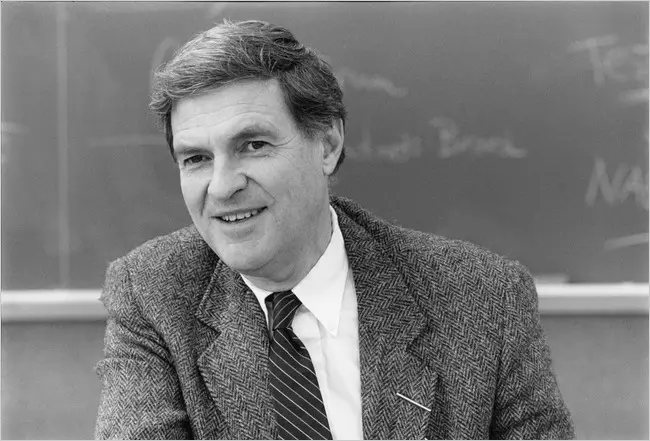
In the ever-evolving landscape of education reform, few voices have resonated as profoundly and enduringly as that of Theodore R. Sizer. Born in 1932, Sizer has dedicated his life to reimagining schools and schooling, advocating for a system that prioritizes depth over breadth, individuality over standardization, and intellectual rigor over rote learning. His philosophy challenges us to rethink not just how we teach but why we teach—and what kind of future we want for our children.
The “Less Is More” Philosophy
At the heart of Sizer’s vision lies the deceptively simple aphorism: “Less is more.” This principle isn’t about doing less work; it’s about focusing on what truly matters. Schools, he argues, should concentrate on helping students develop the habit of using their minds well. Rather than overwhelming young people with an endless stream of facts, educators should guide them to master a limited number of essential skills and areas of knowledge deeply.
This approach flips traditional educational priorities on their head. Instead of racing through curricula designed to cover every possible topic superficially, Sizer encourages schools to slow down and allow students to engage meaningfully with critical concepts. By emphasizing quality over quantity, his model fosters active learners who are motivated, curious, and capable of independent thought—qualities that will serve them far beyond the classroom walls.
A Call for Equity and Choice
Sizer’s commitment to equity is another cornerstone of his work. He believes passionately that all students, regardless of background, can succeed when given the right environment and support. During his tenure as Dean of Harvard’s Graduate School of Education, he proposed groundbreaking ideas like vouchers for low-income families and charter schools, which aimed to provide greater access and choice within public education. While these proposals sparked controversy, they underscored his belief in empowering families and communities to shape their own educational destinies.
For Sizer, choice was never a tool for segregation but rather an incentive—a way to inspire engagement among students, parents, and teachers alike. His advocacy for charter schools reflected this ethos: by creating smaller, more intentional learning communities, schools could better meet the diverse needs of their students while fostering trust, respect, and collaboration.
The Coalition of Essential Schools
Perhaps Sizer’s most tangible legacy is the Coalition of Essential Schools (CES), founded in 1984. This network of schools shares a commitment to focusing on the intellectual core of education, guided by nine principles later expanded to ten. These principles emphasize personalized learning, meaningful assessment, and strong relationships between teachers and students. They reject rigid models or one-size-fits-all solutions, instead encouraging each school to grow organically based on its unique context and values.
One of the CES’s most innovative practices is the use of “exhibitions” to assess student mastery. Unlike standardized tests, exhibitions require students to demonstrate their understanding through real-world projects and presentations. This method aligns perfectly with Sizer’s holistic view of education—one that sees knowledge as dynamic, contextual, and deeply human.
Respecting Individuality and Diversity
Central to Sizer’s philosophy is a profound respect for individuality and diversity. He reminds us that no two students—or teachers, or schools—are alike, nor should they be treated as such. Standardization, he argues, is both inefficient and discriminatory, stifling creativity and failing to account for the rich tapestry of human experience.
Instead, Sizer champions the idea of “small democracies”—intentional communities where students, teachers, and families collaborate to create a shared culture rooted in mutual respect and moral purpose. In these environments, differences aren’t just tolerated; they’re celebrated as sources of strength and innovation.
Lessons for Today’s Educators
Though much has changed since Sizer first articulated his ideas, their relevance remains undiminished. Research shows that schools embracing his principles see higher levels of student engagement, achievement, and satisfaction. Teachers report stronger connections with their students, while parents appreciate the emphasis on character development alongside academics.
But perhaps the greatest lesson we can take from Sizer’s work is the importance of balance. He challenges us to navigate the tension between local autonomy and universal standards, between challenge and comfort, between tradition and progress. His vision calls for humility—an acknowledgment that education is inherently complex and uncertain—but also courage, as we strive to build systems that honor the dignity and potential of every learner.
A Moral Imperative
Above all, Sizer reminds us that education is a deeply moral endeavor. It’s not just about imparting knowledge; it’s about shaping thoughtful, responsible, creative individuals who care about themselves and others. To achieve this, we must know our students, believe in them, and trust them to rise to the occasion. We must model the values we wish to instill—respect, empathy, curiosity—and recognize that our work extends far beyond test scores or graduation rates.
As Sizer so eloquently puts it, the ultimate goal of education is to draw each child toward “thoughtful freedom.” In doing so, we don’t just prepare them for success in school; we equip them to lead fulfilling lives and contribute meaningfully to society.
Final Thoughts
Theodore R. Sizer’s contributions to education are nothing short of transformative. Through his writings, leadership, and tireless advocacy, he has challenged us to dream bigger and dig deeper—to imagine schools that are not merely places of learning but vibrant communities of growth and discovery. His vision may be ambitious, but it’s also achievable—if we’re willing to embrace change, prioritize relationships, and keep the humanity of our students at the center of everything we do.
About the Author
