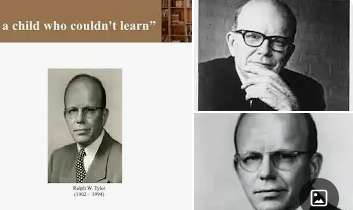
Ralph W. Tyler, a luminary in the field of education, left an indelible mark on how we approach curriculum design, evaluation, and educational objectives. His pragmatic yet visionary contributions continue to shape modern education systems worldwide. Here are 10 key insights from Tyler’s work that every educator, policymaker, and learner should reflect upon.
1. The Primacy of Educational Objectives
Tyler emphasized that clear educational objectives are the foundation of any effective learning program. These objectives guide everything—from content selection to instructional methods and assessments—ensuring coherence and purpose in education.
2. Experiences Over Activities
For Tyler, it wasn’t just about what teachers planned but how students experienced those plans. He argued that learning outcomes depend on the quality of experiences learners derive from their interactions with educational materials and activities.
3. A Balanced Approach to Objectives
While advocating for specific goals, Tyler cautioned against overly narrow or fragmented objectives. He believed they should be general enough to allow flexibility while remaining measurable and meaningful.
4. Criterion-Referenced Testing
Long before it became mainstream, Tyler championed criterion-referenced testing. Unlike traditional norm-referenced tests, this approach measures whether students have achieved set objectives rather than ranking them against peers.
5. The Role of Evaluation in Curriculum Development
As an evaluator at heart, Tyler saw evaluation not merely as a tool for grading but as a way to refine curricula. By assessing student progress, educators could identify gaps and improve teaching strategies.
6. Authentic Assessments Matter
Tyler’s work foreshadowed today’s emphasis on authentic assessments. He valued evaluations that mirrored real-life tasks over abstract tests, ensuring that assessments aligned with practical life skills.
7. Progressive Practices in Schools
Through his leadership in initiatives like the Eight-Year Study, Tyler promoted progressive educational practices. He encouraged schools to innovate, experiment, and serve as laboratories for new ideas without rigid standardization.
8. National Assessment for Educational Health
Tyler envisioned national assessments as barometers of a country’s educational well-being. His advocacy for the National Assessment of Educational Progress (NAEP) highlighted the need for broad-based data on student achievement across diverse contexts.
9. Education as a Social Science
Tyler’s tenure at the Center for Advanced Study in the Behavioral Sciences underscored his belief in interdisciplinary collaboration. He fostered environments where scholars could explore education through lenses like psychology, sociology, and philosophy.
10. Lifelong Learning and Humility
Even after decades of monumental achievements, Tyler remained humble and curious. When asked about his greatest accomplishment late in life, he quipped, “Living to ninety-two.” This reflects his commitment to lifelong learning and self-reflection.
Conclusion
Ralph W. Tyler’s legacy is one of clarity, pragmatism, and enduring relevance. His insights remind us that education is both an art and a science—a dynamic process rooted in purposeful planning and continuous improvement. As we navigate the complexities of modern education, Tyler’s principles offer timeless guidance for fostering meaningful learning experiences.
About the Author
